


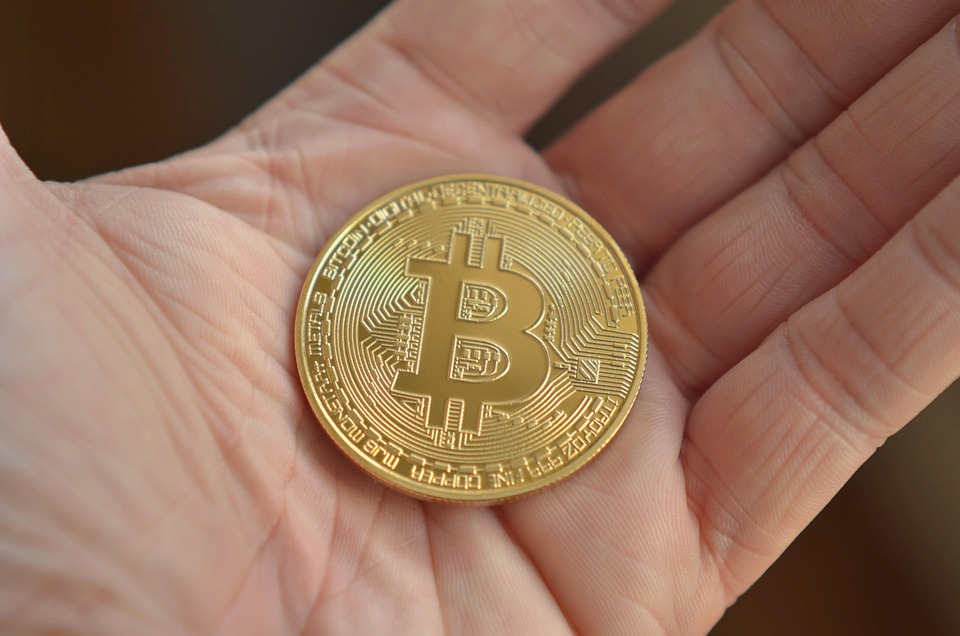
- Galaxy Research says Bitcoin’s bear market ended in June 2026 and that BTC is now in an accumulation phase.
- BTC traded near $81.3K on October 22, 2026, a daily decline of about 3%, and remains roughly 35% below its October 2025 record.
- Analysts point to the US midterm elections as a possible source of renewed volatility, so investors are being urged to proceed carefully.
Bitcoin has traded within a range of roughly $80K to $89K over the past 30 days, a stretch that has prompted debate among market participants. A recent research alert from Galaxy Research argues that the flagship cryptocurrency has moved out of its bear market and into an accumulation phase. The firm’s view is an outlook rather than a guarantee, and it arrives as BTC still trades well below its all-time high.
What Happened
Galaxy Research stated that the bear market for Bitcoin ended in June 2026. In its latest research alert, the firm said BTC has entered an accumulation phase, a period in which holdings are typically built up before a sustained price advance. Galaxy supports this assessment with several market indicators.
According to the firm, Bitcoin traded near $81.3K on Thursday, October 22, 2026, after closing the previous session at about $84K. That move represented a daily decline of approximately 3%. At that price, BTC was around 35% below its record set in October 2025, but roughly 39% above its low of June 30, 2026.
Galaxy noted that Bitcoin would need to climb about 53% to reclaim its previous all-time high. The firm also pointed out that the S&P 500 is trading close to its own October record, a contrast that highlights how far Bitcoin has lagged traditional equities.
The outlook is built on four areas: technical indicators, market positioning, fundamental conditions, and investor sentiment. Taken together, Galaxy argues, these signals indicate that selling pressure has eased considerably.
Why It Matters
For investors, a view that the bear market has ended carries weight because it shifts the discussion from whether Bitcoin can recover to how and when that recovery may unfold. Galaxy Research considers the current environment attractive for investors with longer time horizons, a framing that tends to appeal to those planning positions over months or years rather than days.
The firm’s conclusion, however, does not rule out further declines. Galaxy’s assessment describes a market outlook and does not confirm that Bitcoin is unable to fall again. For traders, the distinction is important, since an accumulation phase can still include sharp pullbacks within a broader range.
For the wider crypto market, Bitcoin’s direction often sets the tone for altcoins and related assets. A durable shift out of a bear market would likely influence liquidity, risk appetite, and sentiment across the sector, although such effects depend on whether the price action holds over time.
Market Context
Bitcoin’s record in October 2025 remains the reference point for measuring the current cycle. The gap between the present price and that peak illustrates how much ground the asset must recover before it returns to its prior high. The June 30, 2026 low, by contrast, is the level from which Galaxy measures the early stages of the rebound.
The comparison with the S&P 500 is also notable. Traditional equities are trading near their October high, while Bitcoin remains substantially below its own peak. This divergence has been a recurring theme in recent market discussion, as crypto has struggled to match the performance of broader risk assets.
Price action over the past month has been confined to a band between roughly $80K and $89K. Within that range, the $81K area has become a focal point. Analyst Ted Pillows has said that if BTC can break above $81K on the daily chart, it could help push the price higher in the near term. Pillows’s view suggests that the level is seen as a short-term test of whether buyers can gain control.
Seasonality is another consideration. Analyst Ali Martinez has noted that Bitcoin recorded two-digit percentage losses during US midterm election years in 2014, 2018, and 2022. The 2026 midterms therefore sit within a period that has historically coincided with weaker momentum for the asset, although past patterns do not guarantee the same outcome.
What to Watch Next
Readers should monitor whether Bitcoin can hold and build on levels above $81K on the daily chart, as analysts have identified that zone as a key marker. A sustained break above it would give more weight to the accumulation thesis, while a failure to hold could revive concerns about the range-bound price action.
Investors should also follow whether the four factors Galaxy Research cited, namely technical indicators, market positioning, fundamental conditions, and investor sentiment, continue to point in the same direction. Shifts in any of these areas could alter the picture the firm has described.
Finally, the approach of the US midterm elections is worth tracking, given the historical pattern of weaker Bitcoin momentum during those periods. Galaxy Research believes the bear market is over, but the firm’s view and the election-year trends both suggest that traders should exercise due diligence before committing capital to a market that remains volatile.
Source: original report
