


- Military strikes across Middle East shipping corridors on Sunday, October 25, 2026 pushed oil prices higher and weighed on risk assets.
- Iran was scheduled to host security talks with Saudi Arabia, Pakistan and Turkey in Tehran on Monday, October 26, 2026.
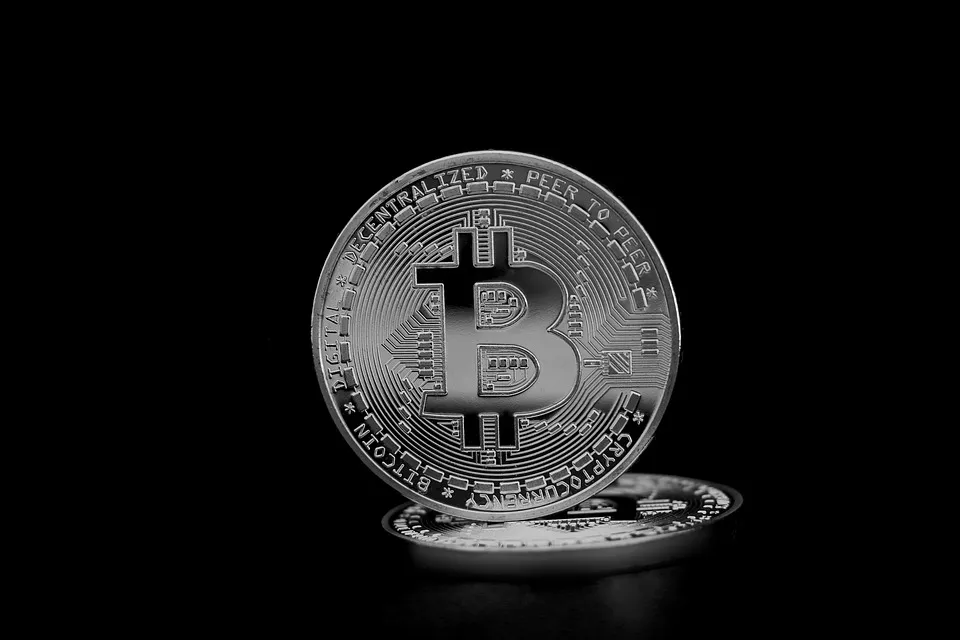
- Bitcoin, which trades around the clock, is being watched as an early gauge of how crypto markets absorb geopolitical shocks.
Fresh strikes across contested Middle East corridors over the weekend unsettled global markets while traditional exchanges were closed. Bitcoin, which trades continuously, became one of the first places where investors could respond. Attention now turns to a regional security meeting in Tehran and to whether crypto markets behave more like a safe haven or a risk asset during the escalation.
What Happened
Al Jazeera English and the open-source intelligence account OSINT613 reported aerial interceptions, drone attacks and retaliatory bombardments on Sunday, October 25, 2026. The flare-up came as a regional diplomatic track was already under strain, and it has been described as a sudden reversal of recent progress.
Al Jazeera’s breaking news alert on October 26, 2026 said Iran would hold a regional security meeting with Saudi Arabia, Turkey and Pakistan. Citing Reuters, OSINT613 said a senior delegation from those three countries would visit Tehran on Monday, October 26, 2026, with regional security on the agenda. The post named Saudi Defense Minister Khalid bin Salman and Pakistan’s army chief, Asim Munir, among the attendees, and also listed Turkey’s Ibrahim Kalin. The source material does not clarify Kalin’s role, so it is not described further here.
Energy markets reacted quickly. Crude oil moved higher, and the source describes a broader risk-off move across asset classes as traders reduced exposure ahead of the open of traditional markets.
Why It Matters
Crypto markets operate without weekend closures, so they often absorb news before equity and bond markets can respond. When headlines break on a weekend, traders typically reduce leverage first. Perpetual futures positions can be liquidated in cascades, and spot holdings may be trimmed. Investors seeking shelter often move into cash or dollar-pegged stablecoins instead of volatile tokens.
The energy link is central. Prolonged disruption to shipping routes can lift crude prices, and higher fuel and transport costs can feed into consumer price measures. That complicates the outlook for the Federal Reserve’s policy path, and interest-rate expectations are a major driver of demand for risk assets, including Bitcoin.
For investors, the key point is that weekend moves can overstate or understate the eventual trend. Thin liquidity during closed hours can amplify price swings, and those moves may reverse once institutional desks return with fresh capital.
Market Context
The conflict has a crypto dimension beyond price action. The source states that Iran previously pushed for exploring Bitcoin-based settlement options for energy transit and charged shipping companies transit fees in Bitcoin as a way to bypass sanctions. The source also says the US Treasury has pursued enforcement against Iran-linked crypto assets, with a figure of about $1 billion cited as part of its “absolute isolation campaign.” The exact scope of that figure is not clear from the source, so readers should treat it as reported rather than confirmed in detail.
Diplomatic efforts have not kept pace with events. The source notes that multilateral attempts to ease Middle East tensions, including a visit to Tehran by Russia’s foreign minister, have not held. Each new round of hostilities effectively resets the diplomatic process.
The Strait of Hormuz remains the most closely watched chokepoint. Disruptions there have historically pushed energy prices sharply and fed into broader market stress, and the source links tanker attacks to both energy shocks and crypto selloffs.
Bitcoin’s own technical picture also matters. The source references an earlier analysis of a $82,000 support zone, noting that rebounds after easing geopolitical fears have sometimes been short-lived when macro pressure builds. Traders are watching whether Bitcoin holds that area or moves toward deeper liquidity levels.
What to Watch Next
- The Tehran meeting: Whether the Monday, October 26, 2026 talks take place as scheduled and whether they produce any de-escalation commitments.
- Oil and shipping routes: Crude price moves and any new disruption in the Strait of Hormuz, which would influence inflation expectations and the Federal Reserve’s outlook.
- Bitcoin’s support levels: Whether Bitcoin holds the $82,000 zone referenced in earlier coverage or slips toward lower liquidity pockets.
- Relative performance: How Bitcoin trades against gold and tokenized US Treasuries over the first 48 hours. That comparison should help indicate whether investors treat Bitcoin as digital gold or as a high-beta risk asset.
- Sanctions enforcement: Further US Treasury action involving Iran-linked crypto assets, which could affect market sentiment toward certain tokens and platforms.
Source: original report
