



Crypto Market Faces Downturn Amid Inflation Concerns Linked to U.S.-Iran Conflict
In the ever-volatile world of cryptocurrency, market fluctuations are a commonplace occurrence. However, recent events have intensified this unpredictability, as the crypto market faces renewed pressure driven by rising inflation concerns stemming from the U.S.-Iran conflict. As global oil prices surge to alarming new highs, investors are reassessing their positions. The total market capitalization of cryptocurrencies has declined over 2%, reaching approximately $2.36 trillion—primarily impacted by Bitcoin, which has plummeted below $70,000. Understanding the intertwining factors affecting the market is essential for anyone involved in or considering investment in cryptocurrencies.
Rising Inflation and Its Impact
Inflation is a critical factor affecting investment decisions—especially in the crypto market. With concerns mounting over the economic repercussions of the ongoing war between the U.S. and Iran, traders are pricing in the negative impact on Federal Reserve (Fed) rate cuts for the remainder of the year. During a recent FOMC (Federal Open Market Committee) press conference, Fed Chair Jerome Powell highlighted that geopolitical issues like the U.S.-Iran conflict could push inflation higher. This sentiment directly influences traders’ expectations, causing a bearish trend in crypto assets.
Consequently, Polymarket data indicates a significant shift in traders’ outlook. The odds of zero rate cuts this year surged from around 24% to 35% overnight. The implications of this change are vast, as reduced liquidity often discourages investments in riskier assets, including cryptocurrencies. Without anticipated rate cuts, many traders are now adopting a more cautious stance, leading to an overall bearish sentiment persisting through the market.
The Connection Between Oil Prices and Crypto
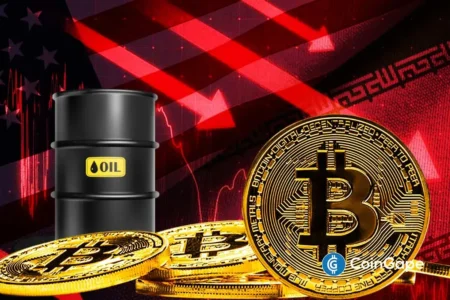
The rise in oil prices—currently peaking at $119 per barrel for Brent crude futures—directly complicates the landscape for the crypto market. The ongoing U.S.-Iran conflict has been a significant catalyst in this surge, with specific oil supply disruptions following strikes on infrastructure, including an Israeli oil refinery in Haifa. As the conflict stretches into its fourth week, the associated inflationary pressures are taking their toll on trader sentiment.
These rising energy costs have led to broader economic concerns. According to the International Monetary Fund (IMF), the implications of a sustained increase in energy prices could result in a 0.4% spike in global inflation and a slight decline in overall economic output. This essential connection between rising oil prices and potential inflation serves as a critical backdrop against which crypto traders are making increasingly cautious decisions.
Implications of Fed Policy for Cryptocurrency Traders
The relationship between Fed policies and the cryptocurrency market is well-documented. Historically, rate cuts by the Federal Reserve inject liquidity into the market, bolstering investments in risk assets. For instance, Bitcoin reached new all-time highs last year amid expectations of favorable Fed policies. However, the current scenario paints a different picture—traders are left grappling with the possibility of no rate cuts, which could stifle growth in the crypto space.
With the Federal Reserve not signaling any impending rate cuts unless significant progress on inflation is achieved, the outlook for crypto traders remains bleak. Many are beginning to internalize the realities of a prolonged conflict, which could further hamper market growth and increase volatility. The stark sentiment shift signifies a cautious approach by many participants, leading to a pullback in overall crypto investments.
IMF’s Warning and Market Reactions
The IMF’s recent warnings about rising oil prices and their potential impacts add another layer of complexity to the situation. As IMF spokesperson Julie Kozack points out, the conflict-induced disruptions in oil exports, particularly through critical shipping routes like the Strait of Hormuz, could lead to escalating inflation, affecting global economic stability. This sentiment resonates deeply within the cryptocurrency community, where traders are particularly sensitive to global economic indicators.
The market’s initial reaction to these developments has been negative, exacerbated by the ongoing uncertainty surrounding the U.S.-Iran war. While the IMF highlights the broader global impact of rising energy costs, crypto traders are focused on the immediate implications for liquidity and market health. Understanding these dynamics is essential for investors who wish to navigate the turbulent waters of cryptocurrency successfully.
The Road Ahead: Expected Developments
Looking forward, as traders expect the U.S.-Iran conflict to persist until at least May, the growing tension is poised to have lasting implications for the crypto market. Current projections show a 43% chance of a ceasefire by the end of May, but many traders remain skeptical. This pessimism is reflected in ongoing price declines and shifts in trader behavior as they adapt to the reality of a potentially prolonged conflict and its economic fallout.
For current and prospective investors, monitoring the developments relating to the U.S.-Iran conflict and its impact on oil prices and inflation will be crucial. The interconnectedness of these factors with cryptocurrencies underscores the sensitive nature of this market. While volatility may present opportunities for profit, a cautious approach is advised. As the world watches the geopolitical landscape unfold, it will be vital for crypto traders to stay informed and adapt their strategies to navigate the changing tides of the market.
Conclusion
In summary, the current downturn in the crypto market is significantly influenced by the rising inflation concerns tied to the ongoing U.S.-Iran conflict, which has also driven oil prices to new heights. As traders acclimate to the Fed’s outlook and the likelihood of no rate cuts this year, the sentiment within the cryptocurrency community remains bearish. The interrelation between oil prices, inflation, and Fed policy showcases the increasing complexity of investing in cryptocurrencies during uncertain times. For those engaged in the crypto space, staying updated on geopolitical developments and their implications is critical for making well-informed investment decisions.