



U.S. Oil Policy Shift Amid U.S.-Iran War: A Strategic Response
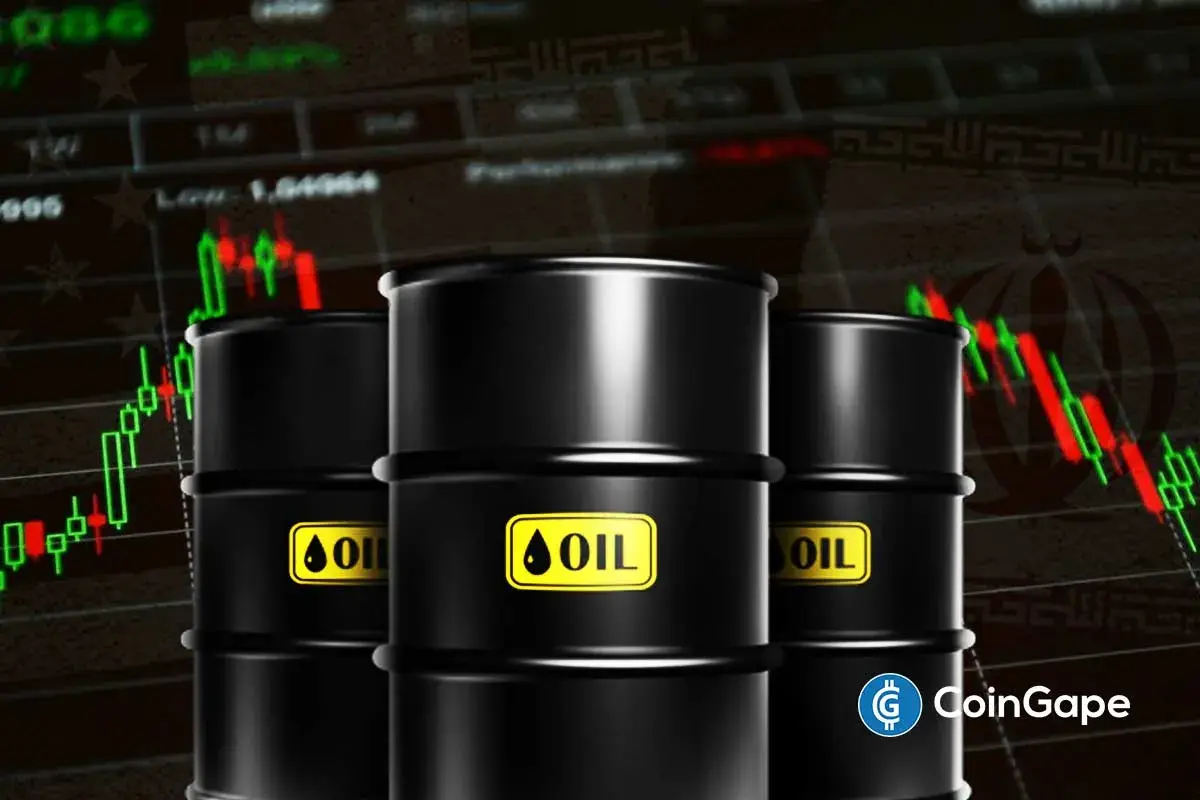
In light of escalating tensions in the U.S.-Iran War, the United States is contemplating a significant shift in its oil policy. Treasury Secretary Scott Bessent has outlined plans to potentially ease sanctions on Iranian crude oil, a move that could allow approximately 140 million barrels currently stranded at sea to enter the global market soon. This step comes as oil prices have surged past $100 per barrel, driven by disruptions in supply after Iran’s closure of the vital Strait of Hormuz—one of the world’s most crucial oil transit routes.
Emergency Measures to Stabilize Oil Prices
During a recent interview with Fox Business, Scott Bessent emphasized that the U.S. might release Iranian oil that is already on tankers to combat soaring prices. He indicated that the quantities involved would amount to around 10 to 14 days’ worth of global supply, which had been primarily destined for China. This strategy aims to utilize Iranian oil to counterbalance price increases during the ongoing conflict. Importantly, Bessent stressed that this approach would rely on increasing physical supply rather than manipulating financial markets. This decision mirrors previously taken actions involving the release of 130 million barrels of sanctioned Russian oil, reflecting a more proactive stance in managing global energy resources.
Supply Disruptions Following the Closure of the Strait of Hormuz
The U.S.-Iran War has led to major disruptions in global oil shipments, particularly after the Iranian government shut down the Strait of Hormuz. This closure has resulted in tanker attacks and halted shipments, significantly escalating oil prices, which have consistently remained above $100 per barrel for the past two weeks. Furthermore, Bessent pointed out the growing disparity between U.S. crude prices, such as West Texas Intermediate (WTI), and global benchmarks like Brent crude. Currently, WTI trades at a notable discount to Brent, a situation attributed to stronger U.S. supplies bolstered by domestic production and previous energy policies.
Coordination with Allies and Further Actions
In the face of these turbulent market conditions, coordination with international allies has emerged as a crucial strategy. President Donald Trump is slated to meet with Japanese Prime Minister Sanae Takaichi to discuss maritime security. Japan may take additional measures to release reserves in response to the ongoing crisis—an effort to collectively stabilize market conditions. Additionally, China has recently curtailed exports of refined products throughout Asia, exerting additional pressure on energy markets in the region amidst the ongoing turmoil.
Impact on Global Energy Markets
According to insights from The Kobeissi Letter, the U.S.-Iran War could catalyze the largest energy crisis on record. The letter highlights that U.S. crude currently trades at a staggering $20 discount to Brent, one of the widest price gaps for some time. Meanwhile, prices for crude in Oman have surged to over $150 per barrel, showcasing significant market fragmentation. The crisis is not limited to crude oil; natural gas prices in European markets have surged by 30% in just one day. The disconnect between U.S. crude and other regional prices demonstrates the complexities facing global energy markets.
Broader Economic Repercussions
The consequences of rising energy prices have been felt across financial markets. The volatility led to a dramatic drop in Bitcoin, with the price falling nearly $5,000 within 24 hours. Analysts are now warning that oil prices could potentially rise above $200. Traditional safe-haven assets have also experienced downward pressure, with gold prices slipping by 7% to below $4,550 per ounce and silver following closely with a 15% decline to $66 per ounce. These movements in the commodities market correlate with a broader sell-off in stocks and cryptocurrencies, illustrating how closely tied these factors are to energy prices.
Conclusion: Future Implications for Energy Policy
As the U.S. contemplates releasing Iranian oil and recalibrating its energy strategies amid the U.S.-Iran War, the global ramifications are poised to be substantial. The measures taken now will not just influence current oil prices but could redefine energy policies and international relations in the coming years. With supply chains already strained, continued collaboration with allies and potential emergency releases could serve as vital components in maintaining stability in an increasingly volatile market. The ongoing situation underscores the critical role of oil in geopolitical strategy and economic stability, making the administration’s response pivotal in navigating this crisis.