


Pi Network Price Stabilizes Amidst Market Turbulence: Insights on Protocol 20 and Future Projections
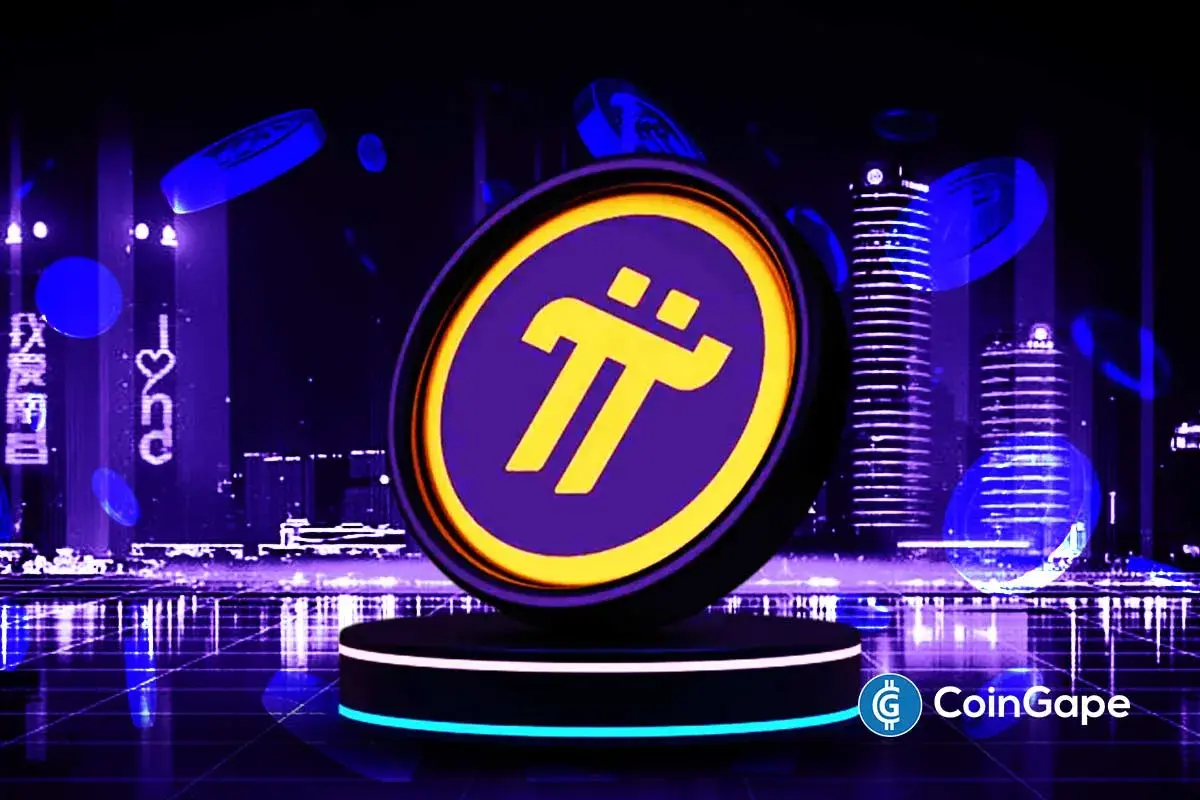
In a climate where the overall cryptocurrency market has struggled, with a notable decrease of 3.6% to a total market capitalization of $2.39 trillion, the Pi Network has shown resilience. After the recent upgrade to Protocol 20, Pi coin has experienced a slight increase of 0.98%, currently trading around $0.175. Investors are paying close attention to these developments within the Pi ecosystem as they evaluate its potential amidst broader market uncertainties, particularly fueled by the U.S. Federal Reserve’s stance on interest rates.
Understanding the Impact of Protocol 20 Upgrades
The Pi Core Team successfully transitioned the network to Protocol 20, a pivotal upgrade that introduces essential infrastructure for smart contracts. This upgrade is crucial as it allows for programmable logic that can decentralize applications and enable automatic transaction executions. Node operators have been encouraged to upgrade their systems promptly to ensure compatibility with the new blockchain environment.
The upgrade’s implementation will initially focus on subscription-based approaches, escrow functionalities, and NFT-based utilities, thus aligning with ongoing ecosystem developments. Despite some hesitancy regarding the deployment of these models, ongoing independent audits are in progress to ensure stability and security. An early-stage version of the Pi Launchpad is also being developed on Testnet, with community feedback taken into account.
Kraken Lists Pi Coin: A Game Changer?
In a significant move, the Kraken exchange recently listed Pi Coin, which could greatly enhance liquidity and access for this emerging digital asset. Market analysts speculate that such exchange listings can facilitate better price discovery, though they caution that macroeconomic trends continue to influence short-term market sentiments. Following the listing, Pi experienced a surge of 31% on March 13, as traders reacted positively to the combination of the Kraken listing and ongoing protocol upgrades. However, lingering macroeconomic challenges pose questions about the sustainability of such gains.
Fed’s Interest Rate Freeze: Implications for Pi Network
The U.S. Federal Reserve’s decision to maintain interest rates on March 19, 2026, has injected a dose of uncertainty into the cryptocurrency market. This decision, influenced by persistent inflation, led to a pullback in Bitcoin’s price below $70,000, affecting overall market confidence. Similarly, Ether saw a decline of almost 5%, which underscores the volatility affecting larger digital assets. In this context, investors are exploring how the Pi Network might provide a buffer against adverse macroeconomic headwinds through smart contract adoption and enhanced network benefits.
Can the Pi Network Reclaim $0.30?
After a brief period of surging towards $0.30, the Pi coin price has recently dipped to $0.175, indicating ongoing volatility within its trading patterns. Various technical indicators reveal weak short-term momentum, with the Relative Strength Index (RSI) currently hovering around 35—below the neutral mark of 50. This suggests minimal buying power, albeit with no immediate signs of the asset being oversold.
Moreover, the Moving Average Convergence Divergence (MACD) is also in a negative phase. While signs of slight improvement have appeared in the histogram bars, bearish momentum persists. Traders are advised to monitor for clearer crossover signals that could indicate potential price recovery. Immediate support for Pi coin sits at around $0.15, with further drops potentially leading to the $0.12 area. Conversely, resistance is observed near $0.20, and a sustained rally above this point could revive interest towards the $0.23 mark in the long term.
Future Prospects and Market Trends
Looking ahead, the Pi Network’s developments, including the rollout of Protocol 20 and the recent Kraken listing, have the potential to drive interest and investment. Still, external factors—such as regulatory changes, macroeconomic conditions, and market sentiment—will continue to play critical roles in shaping its future trajectory. Investors’ focus will likely remain on the upcoming v21 improvements and any shifts in market adoption that could arise from the network’s enhanced functionalities.
As the Pi Network carves out its place in the competitive cryptocurrency landscape, observers are keen to see whether it can capitalize on its recent upgrades to achieve greater market penetration. The overarching sentiment is that the next weeks and months will be crucial in determining how effectively the Pi Network can balance immediate market pressures with sustainable growth and development initiatives.
In conclusion, while the Pi Network has shown resilience amidst broader market downtrends, its future pricing actions will depend heavily on internal developments and external market conditions. The integration of smart contracts via Protocol 20 holds promise, but sustained investor confidence will require overcoming ongoing macroeconomic challenges. Traders and investors will need to stay alert and informed, as the landscape continues to evolve.