



The Resurgence of a Satoshi-Era Bitcoin Wallet: What It Means for Crypto Investors
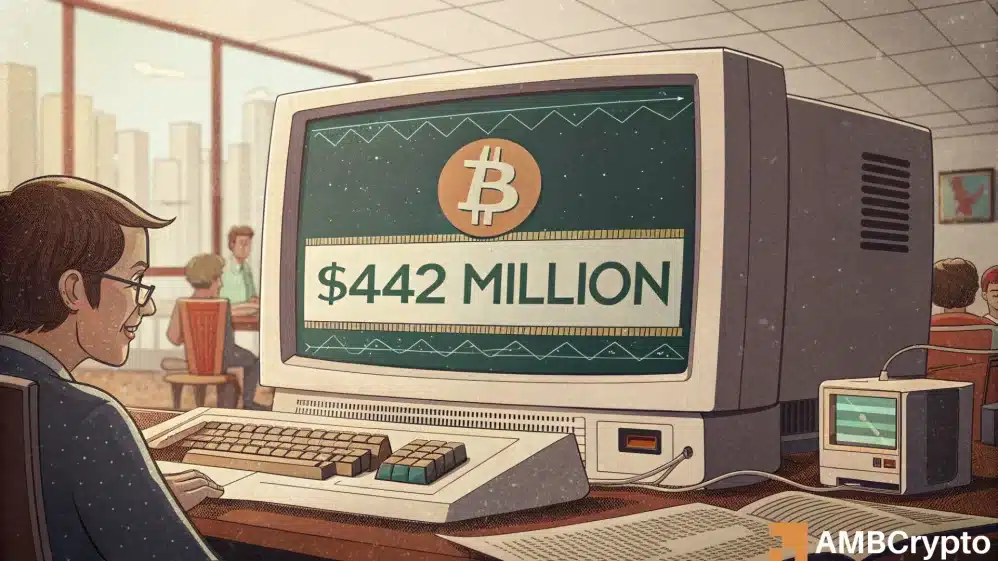
In an unexpected turn of events, a long-dormant Bitcoin wallet from the Satoshi era, which had not been active since 2011, has reawakened. This wallet, known for mining 4,000 BTC between April and June 2009, recently transferred 150 BTC, igniting interest and speculation among crypto analysts and enthusiasts alike. The value of this stash, once worth a mere $67,724, has skyrocketed to an astonishing $442 million at current market rates. This unusual activity raises questions about the motivations behind such wallet movements and their potential impact on the cryptocurrency market.
Market Reactions to Wallet Activity
Historically, the reactivation of early Bitcoin wallets tends to provoke unease in the market. With Bitcoin trading approximately at $111,286.63—a 2.24% increase within the last 24 hours—there’s a palpable anxiety surrounding the potential for sell-offs by long-term holders. Market indicators reflect this sentiment; for instance, Bitcoin’s Relative Strength Index (RSI) dipped below neutral levels, signaling a bearish trend, while the Crypto Fear and Greed Index steadied at 32, showing that market participants remain in a state of caution. However, experts believe that a repeat of past scenarios—where similar wallet awakenings did not lead to significant price downturns—may apply here as well.
Historical Context and the Speculation around Sell-offs
The reawakening of Satoshi wallets can invoke fears of large sell-offs, but historical data alleviates such concerns. For instance, awakenings in 2021 and early 2023 did not cause lasting detriments to market stability, as these instances were often associated with internal reorganizations rather than major liquidation events. Given this context, the recent wallet activity seems less like a precursor to market instability and more like a fascinating relic of Bitcoin’s early days being brought back into circulation.
Motivations Behind the Transfer
Several theories have emerged regarding the motivations for the recent transfer from this Bitcoin wallet. One plausible explanation is that the wallet’s owner may be migrating funds to a more secure and modern address, a common practice among cryptocurrency enthusiasts. Other rationales may include estate planning or even trial transactions after years of inactivity. Importantly, analysts are cautious about jumping to conclusions; unless these funds are traced to exchange-linked wallets—a situation that often signals liquidation—it’s unlikely that this activity will lead to a significant sell-off.
Broader Market Trends and Wealth Redistribution
Interestingly, the wallet’s reactivation comes on the heels of another significant crypto transaction. A Satoshi-era whale recently exchanged 35,991 BTC (worth approximately $4.04 billion) for 886,371 Ethereum (ETH), creating momentum for ETH prices. Meanwhile, large holders of Ethereum are steadily accumulating assets, which indicates a growing long-term confidence in that market sector. Such developments suggest a wider reshuffling of early cryptocurrency wealth, where seasoned investors appear to be strategically positioning themselves for the next maturation phase of the digital asset market.
Conclusion: A Historical Event, Not a Market Crisis
In summary, the reactivation of this Satoshi-era wallet is more of a noteworthy historical event rather than an indicator of impending market turmoil. While it certainly captures the attention of analysts and traders alike, it is critical to approach such movements with a measured response. Historical patterns show that similar events have not led to major price drops, and the present market environment, influenced by various factors, including past liquidation events, should be monitored closely. As the crypto market evolves, these rare occurrences serve as a reminder of the deep-rooted history that continues to shape its future trajectory. In essence, they illustrate the ongoing narrative of Bitcoin, a pioneering cryptocurrency that remains in a perpetual state of re-evaluation and rediscovery.