



Is the Worst Still Yet to Come for Crypto? Analyzing Key Market Trends
As we enter the second quarter of 2023, the cryptocurrency market is navigating through turbulent waters. Recent analysis indicates that the total crypto market capitalization has plummeted nearly 21% in the first quarter, compounding the losses of about 24% from the previous quarter in 2022. This decline translates to an alarming erosion of over $1.5 trillion in market value across the crypto landscape, with Bitcoin (BTC) being particularly affected, accounting for approximately 60% of this outflow. As uncertainty looms over the market, many investors and traders are left asking: Is the worst still yet to come for crypto?
In spite of a brief resurgence of optimism around Bitcoin’s "relative" strength, its performance remains lackluster when compared to other asset classes. A striking observation from the closing of Q1 revealed that Bitcoin is trailing behind gold, with the XAU/BTC (gold-to-Bitcoin) ratio rising by almost 40%. This trend underlines the fact that, as of late, cryptocurrencies are struggling to gain traction amid broader market volatility. Global investors have expressed concerns regarding geopolitical tensions, particularly in the Middle East, which may further exacerbate crypto market challenges.
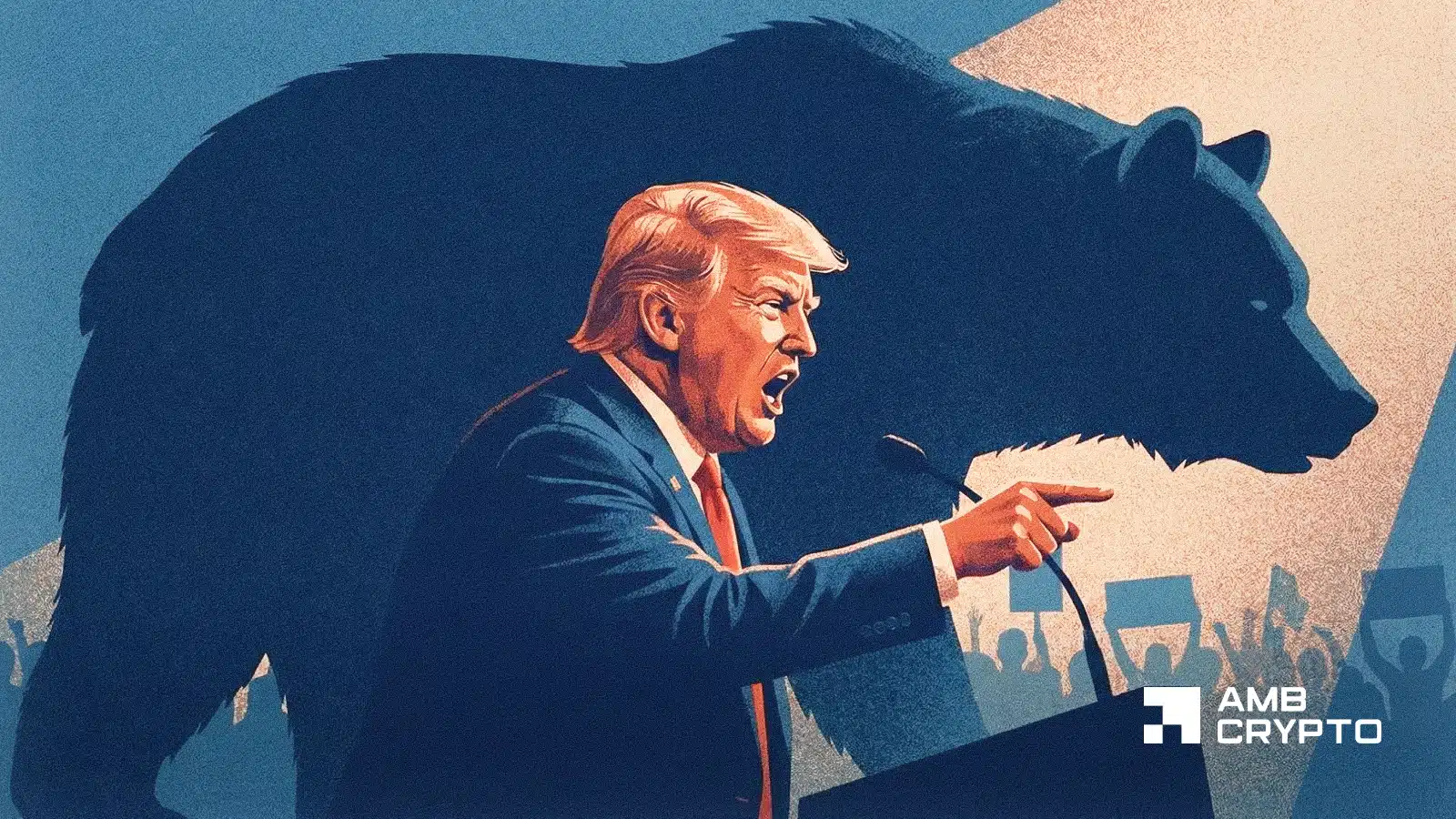
The recent announcement by former U.S. President Donald Trump about a potential escalation in Middle Eastern conflicts adds more complexity to the current state of the crypto market. His warning about potential military actions against Iran coincided with growing fears surrounding oil prices and geopolitical risks. The timing of Trump’s post has ignited a frenzy across financial markets, especially since the U.S. stock market was set to close over the weekend. Consequently, this communication has temporarily suspended a liquidation cascade, providing a brief pause for equities but leaving questions about crypto’s stability unanswered.
As we move forward into Monday trading, oil prices will play a crucial role in shaping market sentiment. This relationship has been evident, as the crypto market’s decline in Q1 closely mirrored the fluctuations in oil prices. With the Strait of Hormuz being a vital artery for global oil exports, any disruption carries significant implications for risk assets, including cryptocurrencies. The price of oil surged nearly 70% closing Q1, creating a ripple effect that directly impacts the cryptocurrency sector. With the ongoing geopolitical tensions, analysts predict that oil prices may reach unprecedented heights, complicating the situation for crypto investors.
As the market gears up for a tumultuous trading week ahead, it’s critical to note the current positioning of Bitcoin traders. The Bitcoin positioning index has recently flipped negative, indicating that short positions are making a comeback. This is no mere coincidence, as traders are strategically preparing for a potential downturn in cryptocurrencies, especially considering the deep liquidity trap that the market is currently experiencing. Even minor price movements could result in significant volatility, leaving investors on edge.
In summary, the intricate interplay of Q1 losses, short positioning, and the impact of geopolitical events is setting the stage for additional downside risks in the crypto market. Trump’s recent statements regarding Middle Eastern conflicts, coupled with soaring oil prices, could trigger a major backlash across financial markets. As the new trading week begins, the vulnerability of cryptocurrencies remains high, causing investors to brace for what may very well be a pivotal moment in 2023. Will the crypto sector be able to weather the storm, or is a bloodbath on the horizon? Only time will tell.