



The Impact of Health Rumors on Prediction Markets: A Deep Dive into Trump’s Recent Challenges
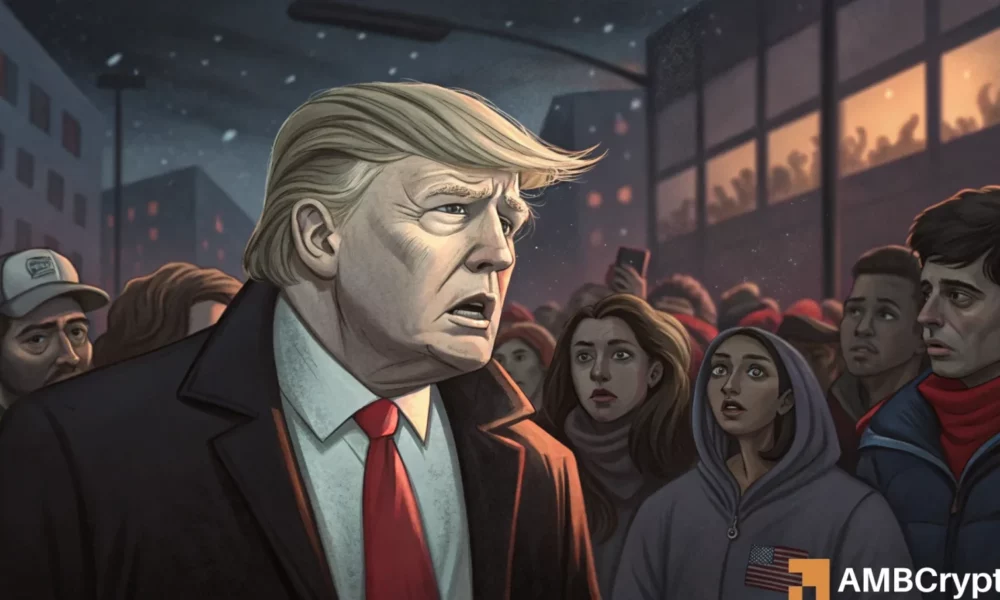
In early September 2025, rumors surrounding President Donald Trump’s health triggered a significant wave of speculation, revealing the complexities of prediction markets in the rapidly evolving landscape of Web3 platforms. This incident underscores the ethical and regulatory hurdles that arise when misinformation intersects with financial speculation, especially in politically charged environments. As social media buzzed with alarming queries about the President’s well-being, the market responded strongly, demonstrating the potential and pitfalls of betting on political futures.
The clouds of speculation began to gather after Trump’s Cabinet meeting on August 26, 2025, following which he notably receded from public view. This absence ignited conversations and heightened searches for questions concerning Trump’s health, including inquiries like "Is Trump dead?" By August 30, 2025, these searches had escalated to the point where they dominated Google’s trending queries. The correlation between Trump’s visibility and public concern highlighted the fragility of trust in political communications and raised questions about transparency and the role of media in shaping public perception.
On September 2, 2025, President Trump made a public appearance, dismissing the swirling rumors with characteristic bravado. He referred to the frenzy as "crazy," yet the rapid spread of misinformation had already taken root among many commentators and observers. Notably, liberal commentator Keith Olbermann pointed out how, despite dismissing the death rumors, the administration’s lack of transparency had inadvertently contributed to perceptions of uncertainty regarding Trump’s health. This incident starkly illustrates how lapses in public visibility can lead to rampant speculation and potentially harmful narratives in the media.
The ramifications extended beyond mere speculation; prediction markets experienced unprecedented activity as a result of the rumors. Platforms like Kalshi and Polymarket saw over $1.5 million in wagers on whether Trump would leave office in 2025, with a notable portion of the bets related to scenarios that could imply his health difficulties or potential incapacitation. This situation raises questions about the ethical implications of betting on a person’s health and highlights the potential dangers of intertwining political events with financial speculation.
Interestingly, Trump Jr.’s involvement as an advisor to both prediction markets adds another layer of complexity to this scenario. It not only enhances perceptions of credibility amidst regulatory scrutiny but also underscores the potential conflict of interest that can arise when familial ties intersect with market speculation. Such entanglements complicate the landscape for regulatory bodies, which must grapple with the responsibilities of overseeing markets tied to sensitive political events.
In the broader context of the crypto market, the incident reflects a classic "pump-and-dump" dynamic, characterized by a rapid influx of bets based on hype and speculation. The tumult surrounding Trump’s health rumors not only propelled prediction markets but also influenced cryptocurrency valuations and trading strategies. As the global crypto market cap reached $3.84 trillion, the incident illuminated the interconnectedness of various financial platforms in the digital age. This event serves as both a cautionary tale and an example of how political phenomena can shape financial landscapes in the era of Web3.
Ultimately, while the rumors about Trump’s health proved baseless, they reveal profound implications for both the function of prediction markets and the regulation of Web3 platforms. As the landscape continues to evolve, stakeholders must remain vigilant against the potent combination of speculation, misinformation, and the ethical responsibilities that come with monitoring political betting scenarios. This incident is a reflective moment for regulatory bodies, market participants, and the information ecosystem surrounding political events, urging a reconsideration of strategies to ensure transparency and ethical conduct in prediction markets.