



The Evolving Landscape of DeFi Governance: A Shift Towards Concentrated Control
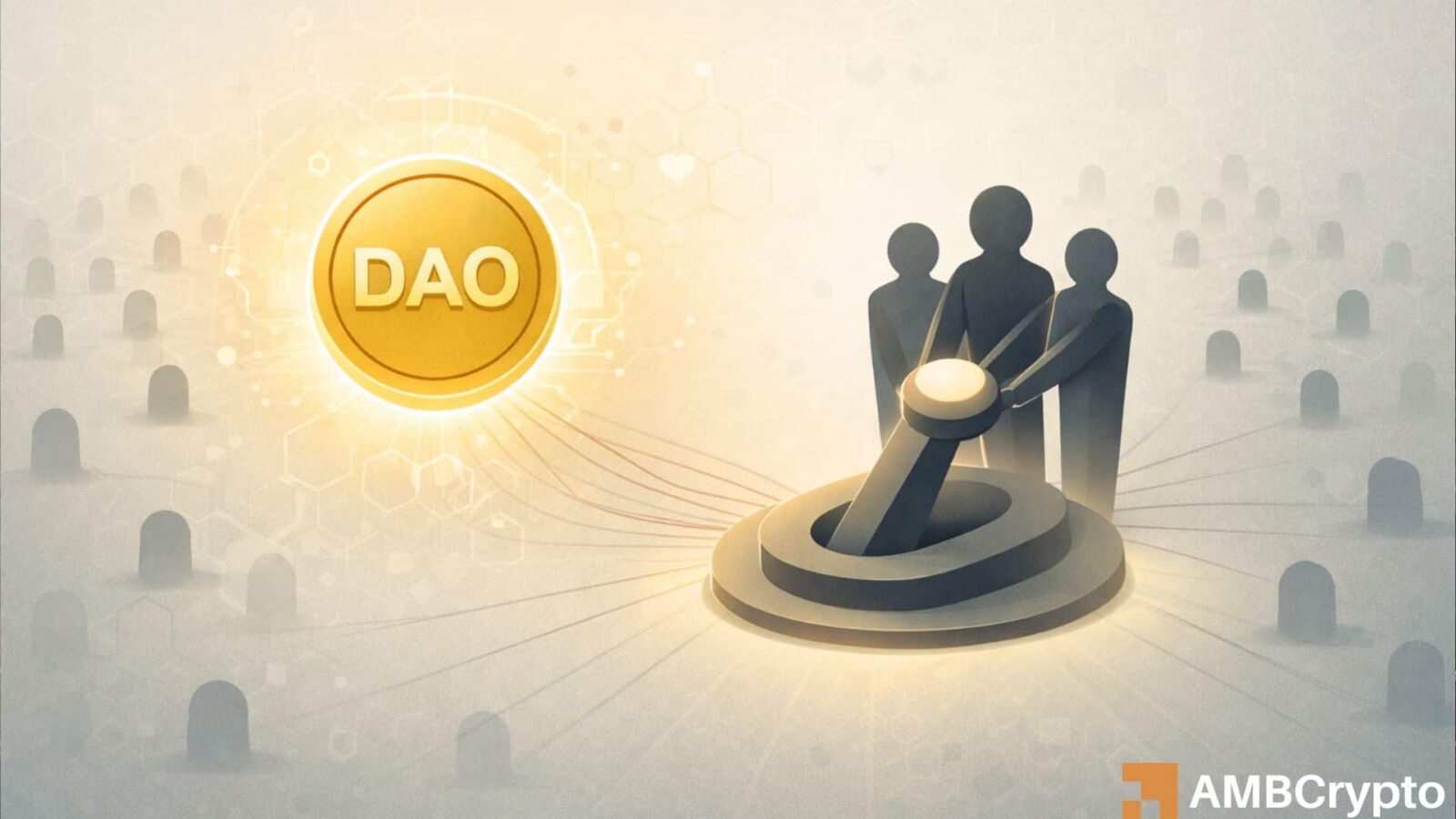
Decentralized Finance (DeFi) has long been championed for its promise of democratizing financial systems, but recent trends indicate a stark shift away from this ideal. A paper by the European Central Bank (ECB) published in March 2026 reveals that the top 100 holders across major DeFi protocols control over 80% of tokens, leading to concentrated decision-making power. This development raises critical questions about the distribution of power in DeFi governance, as it increasingly comes under scrutiny from regulators and investors alike. As power consolidates into the hands of a few, the decentralization narrative faces significant challenges.
The Shift from Broad Ownership to Concentrated Control
As the DeFi landscape matures, the initial promise of widely distributed governance is becoming a reality of concentrated control. The ECB report highlights an alarming trend where, in protocols like Ampleforth, the top 20 voters control a staggering 96.04% of delegated votes. This phenomenon illustrates that major decisions are increasingly made by a select few, often drawn from treasuries, founding teams, and centralized exchanges. In addition, the practice of delegation intensifies this control, allowing as few as 10–20 voters to wield up to 96% of the power. With only 5-12% of token holders actively participating in governance, the vast majority of holders find their influence diminished, amplifying concerns about who truly governs these decentralized networks.
Regulatory Implications of Concentrated Control
The decline in broad-based governance brings newfound regulatory scrutiny. As frameworks like Markets in Crypto-Assets Regulation (MiCA) tighten, the visible concentration of control points makes it easier for regulators to identify actors influencing protocol decisions. This could lead to a regulatory environment for DeFi that mirrors traditional finance, with oversight expanding to include those who delegate power. The implications of this shift are profound: as DeFi governance narrows, the risk of regulatory intervention grows, presenting both challenges and opportunities for the ecosystem.
Imbalances in Influence and Accountability
Compounding these issues is the lack of transparency concerning the identities of significant voters. The claim that one-third to nearly half of top voters remain unidentified illustrates how power can be wielded without accountability. This lack of traceability separates ownership from influence, contributing to an environment where governance appears decentralized on the surface but is significantly controlled behind the scenes. Consequently, the decentralization narrative weakens, even as regulatory pressure mounts, leading many to question the sustainability of current governance models.
Market Repercussions: DAO Token Prices in Flux
The concentration of delegated voting power is starting to affect DAO token prices as investors reassess the value of these systems. With participation rates remaining dismally low—between 4% and 12%—the lack of widespread control is causing the perceived decentralization premium to falter. Investors are beginning to question the true worth of governance tokens, affecting their market valuations. When regulators highlight these control clusters, the perceived risk surrounding tokens with less robust governance structures rises, leading to further market pressures on their prices.
The Transition to Transparent Governance
As the dynamics of DeFi governance evolve, protocols that prioritize transparency and inclusive participation are becoming increasingly favored. This shift suggests that the future pricing of DAO tokens will hinge on the quality of governance rather than purely their decentralized nature. Governance models that enable broader involvement will likely be rewarded in the marketplace, while systems marked by concentrated control may struggle to maintain investor confidence. Ultimately, the DeFi ecosystem stands at a crossroads, where the principles of decentralization must adapt to align with increasing regulatory scrutiny and market expectations.
Conclusion: The Challenging Path Ahead for DeFi
In conclusion, the governance landscape of DeFi is shifting towards concentrated control, diminishing the essence of decentralization and heightening regulatory exposure. The rising pressure on DAO token valuations reflects a growing market preference for governance structures characterized by transparency and wide participation. As the ecosystem grapples with these challenges, it is imperative for stakeholders to reassess governance mechanisms to foster a sustainable and equitable future in decentralized finance. The path forward will require balancing transparency with the decentralized ethos that originally inspired the movement, ensuring that DeFi can thrive in an increasingly complex regulatory environment.