


Understanding Ethereum’s Evolving Landscape: A Focus on Liquidity and User Activity
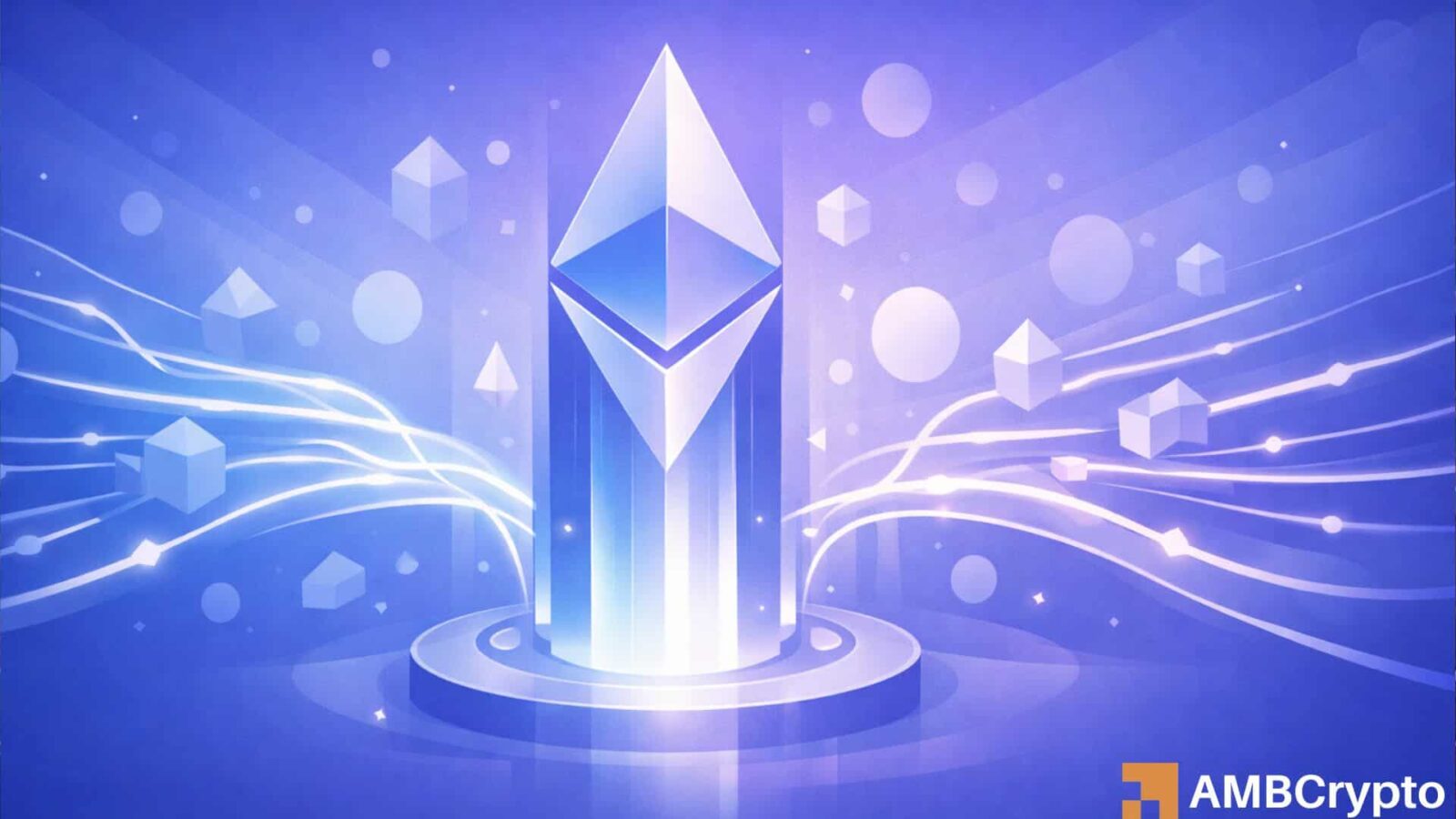
Ethereum, a leading player in the world of blockchain technology, is witnessing a significant shift in its ecosystem dynamics. As Layer 2 (L2) usage cools and liquidity remains anchored on the Layer 1 (L1) base layer, Ethereum’s structural dominance is becoming increasingly evident. In this article, we delve into the changing trends of user activity, liquidity, and regulatory impacts on Ethereum’s capital landscape.
The Decline of Layer 2 Usage in 2026
Recent data shows a notable decline in the ratio of Daily Active Users (DAUs) between L2 and L1, which fell to 1.12 in February 2026, down from 2025 highs. This indicates a fragmentation in user growth as execution capabilities spread across various L2 networks. While L2s are designed to offer cheaper transactions, their usage appears to have peaked, leaving many users reverting to the more secure and reliable L1.
The stability of Ethereum’s base layer plays a crucial role in maintaining its dominance. With an average of 12.6 gwei in base fees and approximately 267 ETH burned weekly, it’s clear that demand has softened. The minimal economic burns from L2 networks further suggest that value is still largely tied to L1, highlighting Ethereum’s resilience even amidst fluctuating user activity.
Reclaiming Liquidity Dominance
As the Ethereum landscape evolves, it becomes evident that user activity and liquidity are diverging. The L2-to-ETH Daily Active Addresses (DAA) ratio reached an impressive 15 in mid-2024, demonstrating a temporary shift in user preference toward L2s for lower costs. However, this momentum did not sustain, as the ratio subsequently dropped to between 10 and 11 by 2026.
In contradiction to user activity, liquidity trends show greater resilience. The L2-to-ETH stablecoin ratio peaked at around 0.30 but has since stabilized closer to 0.20-0.22. This disparity suggests that while user enthusiasm for L2s may be waning, capital continues to gravitate toward the more secure L1, solidifying Ethereum’s position as a liquidity hub.
Ethereum as a Settlement Layer
The ongoing evolution of Ethereum is also influenced by regulatory changes impacting capital flows. With approximately $9.6 billion of the $16.5 billion Real-World Asset (RWA) market attributed to Ethereum, institutional demand for compliant systems is evident. This influx of capital underscores the preference for strong security and finality when executing high-value transactions.
ETF inflows reveal similar patterns, as spot ETH products attracted nearly $9.9 billion through 2025, boasting over $12 billion in assets under management (AUM) into 2026. This consistent growth reflects rising institutional trust, further cementing Ethereum’s position as a leading layer for substantial value settlement.
The Implications for Ethereum’s Future
The current trends in capital concentration on L1—evidenced by the $163.3 billion in stablecoins and a commanding share of the RWA market—suggest a promising future for Ethereum. However, the reliance on active capital deployment rather than passive liquidity is crucial for price gains. If Ethereum can convert this passive liquidity into active use, it stands to gain significant value.
In contrast, if user activity remains subdued while large sums of capital stay dormant on L1, Ethereum may struggle to achieve meaningful price appreciation. The balance between liquidity and user engagement will determine the sustainability of Ethereum’s current dominance.
Conclusion
Ultimately, Ethereum’s ecosystem is undergoing pivotal changes as it continues to adapt to the evolving landscape of blockchain technology. While capital is concentrating on the base layer with stablecoin support and institutional growth, the cooling of L2 user activity provides both challenges and opportunities. Ethereum’s unique position as a settlement layer emphasizes the importance of security and reliability, suggesting that the platform can reinforce its status as a key player in the blockchain sphere—provided that it can leverage its liquidity and institutional trust effectively.
As Ethereum finesses its role between L1 and L2, and adjusts to regulatory influences, the focus will remain on whether enhanced capital activity can transform into greater utility and, ultimately, price performance. In the fast-moving blockchain environment, these elements will be critical for Ethereum’s continued success and value stabilization as a leading capital hub.