



U.S. Markets Navigate Tensions as S&P 500 Rises Amid Iranian Standoff
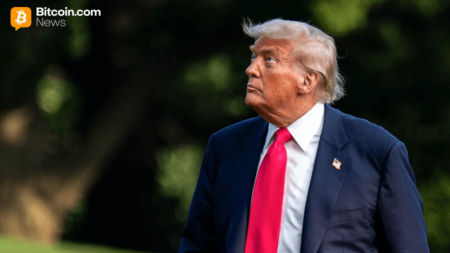
Recent geopolitical tensions, particularly concerning Iran’s influence over the Strait of Hormuz, have accentuated market volatility. The S&P 500, despite rising by 0.4% in Monday’s trading, remains about 4% lower than pre-conflict levels. Investors are closely watching the developments, especially with President Trump’s Tuesday deadline for Iran to reopen the strait, crucial for global oil trade.
Market Performance and Concerns
The broader market saw positive movement, with the Dow Jones Industrial Average increasing by 137 points (0.3%) and the Nasdaq Composite growing by 0.5%. This marks the S&P 500’s fourth consecutive day of gains. However, lingering concerns over ongoing tensions with Iran prevent the index from fully recovering. Mediators from Egypt, Pakistan, and Turkey proposed potential truce frameworks over the weekend, seeking a 45-day ceasefire alongside reopening the vital waterway.
Mixed signals dominate the conversation around negotiations. While some reports suggest Iran has indicated a willingness to discuss access to the Strait of Hormuz—responsible for transporting about 20% of global oil—others contradict this, stating that ceasefire talks were turned down. This uncertainty is likely to maintain downward pressure on market confidence.
Oil Prices and Economic Implications
As the geopolitical situation develops, oil prices remain elevated, with West Texas Intermediate crude hovering around $103 a barrel and Brent crude near $109. This reflects the constant tension surrounding potential supply disruptions due to the strained U.S.-Iran relationship. Trump’s comments, declaring Iran an "active, willing participant" in talks but also threatening military action, add another layer of complexity. The surging oil prices have implications for inflation, which JPMorgan Chase CEO Jamie Dimon highlighted as a key concern ahead of important economic data releases.
Market participants are keenly aware of the potential economic impacts. The Institute for Supply Management reported a drop in the services PMI for March, indicating weaker job growth and challenging consumer sentiment. The growing prices-paid index, the highest since October 2022, could also be indicative of rising inflationary pressures. Such economic signals suggest that higher energy costs may complicate the Federal Reserve’s future interest rate decisions.
Sector-Specific Performance
In sector performance, technology and consumer staples showcased notable gains, with companies like Ciena Corp., Lumentum, Seagate Technology, and Netflix all posting impressive results. The utilities sector also reached new 52-week highs, buoyed by ongoing energy supply concerns. Nevertheless, consumer discretionary stocks lagged behind, with Keurig Dr Pepper hitting a 52-week low amid overarching market uncertainties.
Consumer sentiment appears shaky, as indicated by the CBOE Volatility Index remaining above 24, signaling that traders still perceive downside risks. The cautious stance among investors likely reflects concerns about how geopolitical developments can affect economic stability and growth in the near term.
Cryptocurrencies Amidst Market Instability
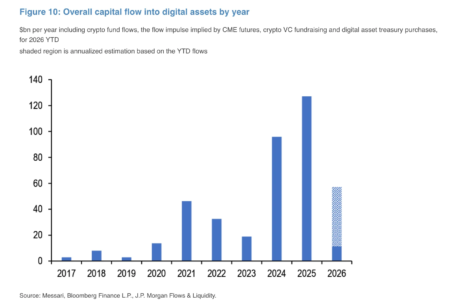
Interestingly, as geopolitical tensions escalate, Bitcoin has managed to reclaim the $70,000 mark, indicating some resilience amidst the chaos. This recovery is attributed to specific strategic acquisitions in the crypto space, elevating market enthusiasm for digital currencies despite ongoing unrest in traditional markets. However, experts caution that such gains may reveal underlying vulnerabilities, as correlations between cryptocurrencies and global market dynamics continue to evolve.
Upcoming Economic Indicators
Looking ahead to the week, investors will closely monitor the upcoming release of the Federal Open Market Committee minutes from March’s meeting. Additionally, earnings reports from major companies like Delta Air Lines and Constellation Brands are on the horizon. These results will provide insights into how well corporate America is managing increased energy costs and offer clues on consumer spending trends.
Conclusion: A Reactive Market Landscape
Markets continue to react rather than move on firm conviction as investors await clarity on the situation in the Strait of Hormuz and relevant economic indicators. The balance between geopolitical developments and inflationary pressures will determine the S&P 500’s direction in the near future. As the landscape evolves, remaining vigilant and responsive to market signals is paramount for investors navigating these turbulent waters.