



Escalating U.S.-Iran Tensions: A Critical Look at the Latest Developments
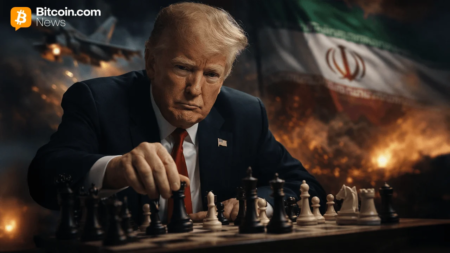
In a dramatic escalation of tensions between the United States and Iran, President Donald Trump issued a stark 48-hour ultimatum on April 4, 2026, demanding that Iran reopen the strategically vital Strait of Hormuz or face military repercussions. This ultimatum comes amid ongoing U.S.-Israeli military operations, dubbed "Operation Epic Fury," which have targeted over 9,000 sites in Iran since February 2026. As geopolitical dynamics shift, the implications for global markets, particularly in oil and cryptocurrencies like Bitcoin, become increasingly significant.
The Background of Operation Epic Fury
Initiated on February 28, 2026, Operation Epic Fury aimed to dismantle key military assets within Iran. U.S. forces have reported successfully striking more than 9,000 military targets, including command centers, air defense systems, and ballistic missile sites. Reports indicate that Iranian naval capabilities have been severely neutralized and that the country’s missile production has notably suffered. However, in retaliation, Iran has moved to disrupt the Strait of Hormuz, a crucial chokepoint through which approximately 20% of the world’s oil shipments flow. The closure of this strategic strait has resulted in oil prices surging above $100 per barrel, raising inflation concerns across global markets.
Market Reaction and Bitcoin’s Stability
As tensions escalated, Bitcoin’s value hovered around $67,000, displaying resilience despite bearish fluctuations. Following Trump’s ultimatum, Bitcoin briefly dipped to $65,834 but quickly rebounded, staying stabilized within the $66,000 to $71,000 range. Analysts have noted this performance as relatively robust, particularly given the volatile circumstances surrounding U.S.-Iran relations. Institutional investors appear undeterred, maintaining support levels that prevent more significant downturns in Bitcoin’s price as oil prices climb and global equities experience a pullback.
The Diplomatic Efforts and Stalemate
Pakistan has stepped up to mediate talks between the U.S. and Iran, leveraging its relationships with both nations. The Pakistani Army Chief, Asim Munir, has been working closely with China, Saudi Arabia, Turkey, and Egypt to facilitate peace initiatives. However, Iran has reportedly dismissed some of these diplomatic overtures, leading to a stalemate in talks. Senator Lindsey Graham has publicly backed Trump’s stance, indicating that if Iran fails to comply and reopen the Strait, a "massive military operation" would be initiated. The urgency of the situation is compounded by a recent incident where Iranian forces allegedly shot down a U.S. F-15E fighter jet, adding further complexity to the already tense atmosphere.
The Risks Around Iran’s Nuclear Facilities
As military actions unfold, safety concerns about Iran’s nuclear facilities have heightened. A recent projectile near the Bushehr nuclear power plant resulted in injuries, prompting warnings from the International Atomic Energy Agency (IAEA). Although no increase in radiation levels has been detected, the IAEA stressed that attacks near nuclear sites pose grave risks. These developments highlight the precarious balance between military operations and the potential for catastrophic consequences involving nuclear infrastructure.
Looking Ahead: Market Volatility and Global Implications
With the 48-hour deadline set by Trump looming, market analysts are bracing for potential volatility as negotiations hang by a thread. If no agreement is reached, an escalation into military conflict could dramatically alter global oil supplies and cause severe disruptions in financial markets. The situation remains fluid, with the possibility of unexpected developments influencing both market behavior and geopolitical dynamics. Investors and analysts alike will need to monitor real-time updates closely as events continue to unfold.
Conclusion
The situation between the United States and Iran is at a critical juncture, with military actions, diplomatic efforts, and market reactions intricately intertwined. As President Trump’s ultimatum stands, the ramifications of these developments are poised to affect not only energy markets but also the broader economic landscape. The interplay between military maneuvers, diplomatic negotiations, and market sentiments will be crucial in determining the next steps in this high-stakes geopolitical drama. To stay informed, stakeholders must engage with reliable sources and analyses to navigate these challenging waters effectively.