



Title: Understanding the DOJ Review of Fed Chair Jerome Powell’s Spending: An Analysis of Independence and Accountability
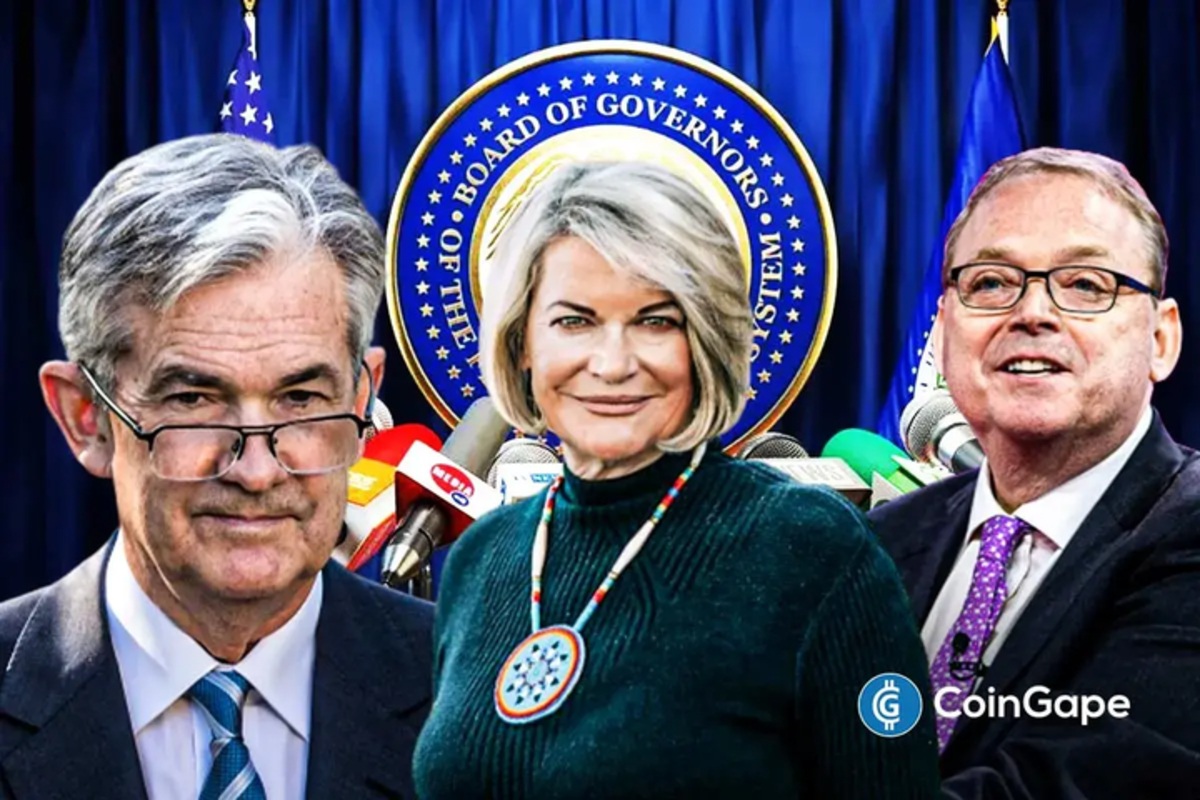
The recent spotlight on the Justice Department’s scrutiny tied to Federal Reserve Chair Jerome Powell has raised significant discussions about government spending and fiscal accountability. White House economic adviser Kevin Hassett has defended this investigation as a necessary evaluation, not an intervention. He pointed out that the rising costs associated with building projects warrant federal examination, particularly when expenditures skyrocket to the multi-billion dollar range. Critics, however, warn that such scrutiny could inadvertently pressure the central bank, leading to concerns about its independence.
Hassett emphasized that the DOJ’s review must be contextualized within the existing tension surrounding U.S. interest rates. He acknowledged the administration’s pressure on rate policies but classified the inquiry as a form of oversight rather than interference. The inclusion of such scrutiny is particularly relevant when public funds are involved. According to Hassett, when costs soar to $10 billion or $20 billion, it is not only appropriate but imperative for federal authorities to investigate the rationale behind the expenses. This perspective raises questions about the boundaries of accountability and transparency, particularly in large government projects.
Senator Cynthia Lummis of Wyoming has taken a straightforward stance, asserting that Powell is not deserving of sympathy in light of the ongoing investigation. She contends that taxpayers have an inherent right to comprehend how their money is spent, especially regarding the Federal Reserve’s lavish expenses. Lummis articulated a dichotomy in Powell’s testimonies: either he was unprepared or, worse, he potentially provided misleading information to lawmakers. While she refrained from further comments until the DOJ concludes its findings, Lummis emphasized the need for accountability in fiscal management.
Contrasting Lummis’s position, Senator Elizabeth Warren has voiced strong opposition to the DOJ’s review, branding it a political misuse of federal power. Warren claims that this investigation resembles past tactics used during President Trump’s administration, wherein the DOJ was allegedly weaponized for political advantage. She argues that such an investigation threatens the Federal Reserve’s independence and could lead to politically influenced policy decisions rather than decisions grounded in economic data. Consequently, Warren’s concerns extend beyond Powell’s expenses to the longer-term implications for market stability and public confidence in the central bank.
This dichotomy of viewpoints reveals ongoing tensions in the current political landscape regarding accountability and oversight. While proponents of the DOJ’s review advocate for transparency and prudent fiscal management, critics raise alarms about potential political motives and the implications for central bank operations. The pivotal question remains: can the Federal Reserve maintain its independence while being subjected to such scrutiny, especially during tumultuous economic times?
In conclusion, the ongoing dialogue surrounding the DOJ’s review of Jerome Powell’s spending underscores significant issues regarding government accountability and independence. As the investigation unfolds, stakeholders from various political backgrounds will continue to grapple with the implications of this scrutiny on the Federal Reserve’s operations. Ultimately, maintaining a delicate balance between oversight and independence will be crucial for fostering an economic environment characterized by stability and public trust.