

The Impact of the U.S.-Iran Conflict on the Crypto Market: Insights from Goldman Sachs’ CEO
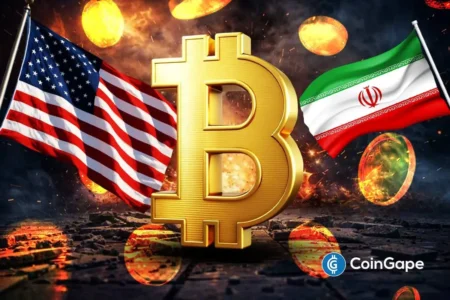
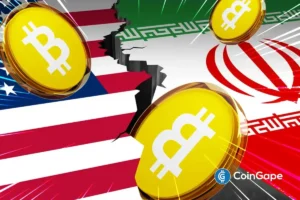
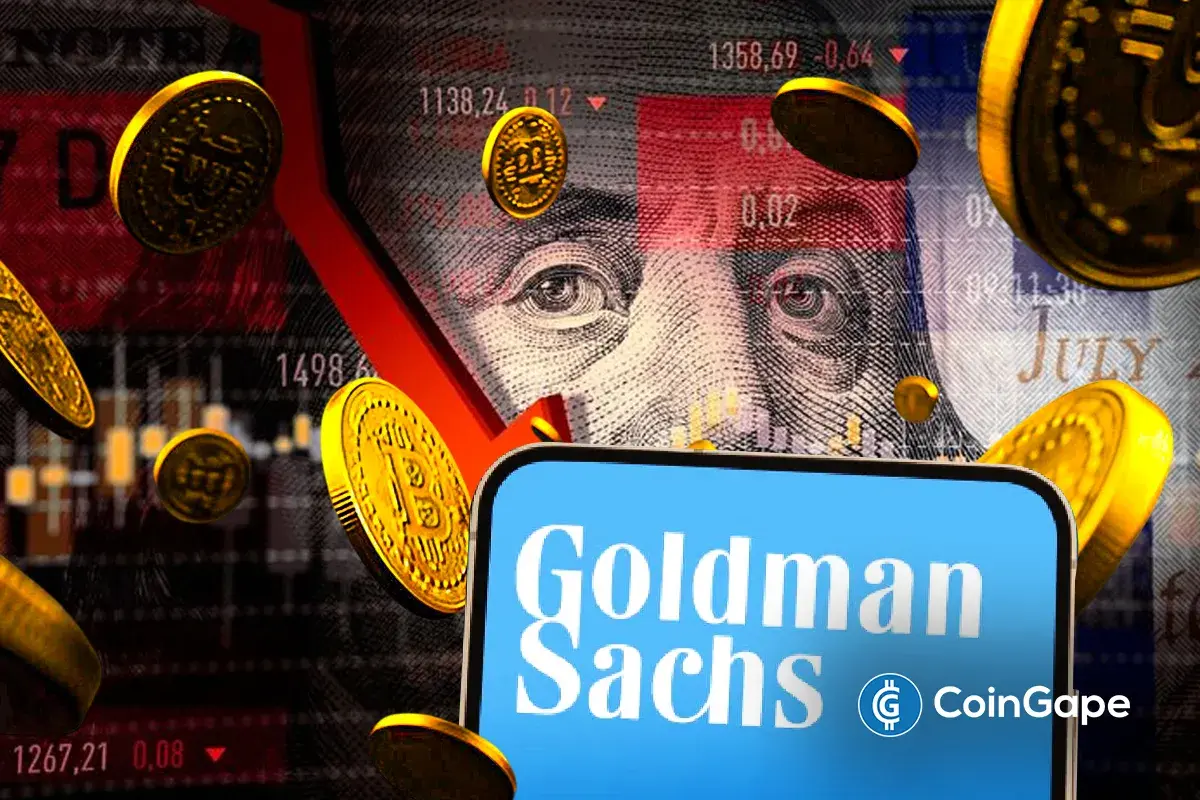
The ongoing U.S.-Iran conflict has left a significant mark on financial markets, with David Solomon, CEO of Goldman Sachs, suggesting that the effects on these markets, particularly in the crypto sector, are yet to be fully realized. His recent comments underscore a growing concern that the initial reaction to the geopolitical turmoil has been overly optimistic. As tensions escalate, investors are left to ponder not just the immediate implications, but also the longer-term potential consequences for digital currencies.
A Surprising Market Reaction
In a recent statement, Solomon expressed astonishment at the "benign" response of financial markets amid escalating tensions in the Middle East. This reaction has raised eyebrows given the historical volatility that accompanies geopolitical conflicts. The crypto market has historically been sensitive to such events, and the initial downturn following the onset of hostilities reflects this trend, resulting in the liquidation of billions in investments. Solomon pointed out that while markets may currently seem stable, the true effects of the conflict will likely take weeks to fully manifest.
Oil Prices: The Driving Force
A key factor influencing market dynamics is the volatility in oil prices. Solomon emphasized that the potential disruption to oil flows through the strategically critical Strait of Hormuz significantly impacts global economic stability. Many investors tend to focus on oil as an indicator when gauging the seriousness of geopolitical risks; thus, changes in oil prices can directly translate into shifts in market sentiment. The feeling is that until a clearer picture emerges regarding oil accessibility and pricing, the crypto market, along with other sectors, may continue to see erratic fluctuations.
Short-Term vs. Medium-Term Implications
Solomon highlighted the distinction between short-term and medium-term effects on the market. He anticipates that financial markets will take time to digest the implications of the ongoing war. This extended evaluation period could result in further destabilization, particularly in the crypto space, where investor sentiment can change rapidly. Unlike traditional markets, which often react to geopolitical events with relative stability, cryptocurrencies remain inherently volatile and susceptible to psychological factors.
The Ripple Effect on Stock Markets
The repercussions of the U.S.-Iran conflict have already been felt across global stock markets, which have experienced notable declines. Investors usually pivot from riskier assets, such as cryptocurrencies, to more traditional safe havens, particularly the U.S. dollar, during times of uncertainty. This ongoing shift in investor sentiment has the potential to deepen the ongoing crypto market crash, posing a particular risk to those heavily invested in digital currencies.
The Evolving Crisis: Day 4 and Beyond
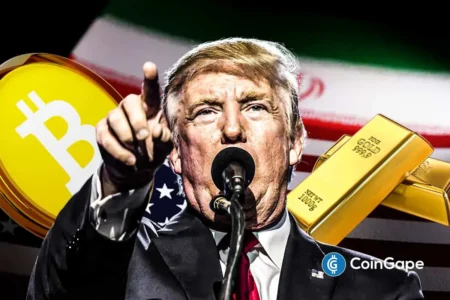
As the U.S.-Iran crisis enters its fourth day, the situation continues to develop. President Donald Trump has made assertions regarding military successes against Iranian forces, yet such claims are met with skepticism and political repercussions. The death of Iran’s supreme leader, confirmed shortly following targeted attacks, adds layers of complexity to the conflict. Any instabilities created by leadership vacuums could exacerbate existing tensions, further complicating the economic landscape.
Economic Resilience Amid Uncertainty
Despite the turmoil, Solomon remains optimistic about the resilience of the U.S. economy, emphasizing that the fundamentals remain relatively strong. Robust monetary policies serve as a bulwark against external economic shocks, helping to stabilize the market in tumultuous times. However, he cautions that the ultimate impact of the war on economic growth remains unpredictable.
Conclusion: A Cautious Outlook for Crypto Investors
Recognizing the interconnectedness of global events and financial markets, investors and traders are urged to remain vigilant. As the U.S.-Iran conflict unfolds, the implications for cryptocurrencies may deepen, as indicated by Solomon’s observations. The long-term trajectory of the crypto market may hinge upon a multitude of factors, including sustained geopolitical tensions, oil price behavior, and changing investor sentiment. As markets continue to react to these dynamic situations, the landscape for crypto investments remains challenging, warranting careful consideration as events unfold.