



U.S. Senate Confirms Delay on Crypto Market Structure Bill: Impact and Implications for the Future
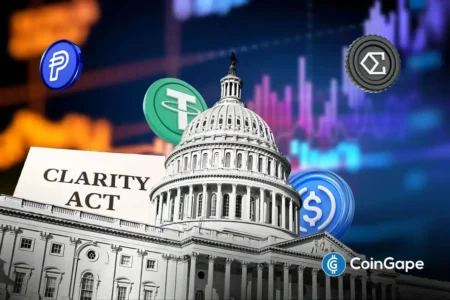
The U.S. Senate Banking Committee has confirmed that the forthcoming crypto market structure bill will be postponed until 2026, despite anticipation for its passage before the end of 2025. This news has been disappointing for many stakeholders within the cryptocurrency industry, eager for clarity and regulation. The committee’s announcement implies that no hearings will occur before the year’s end, signaling a significant delay amidst prior hopes for timely action.
Overview of the Senate’s Decision
The Senate’s decision to delay the crypto market structure bill underscores the complexities of regulatory processes on Capitol Hill. Initially, there was optimism for hearings and discussions to commence, particularly with Committee Chairman Tim Scott indicating potential discussions as late as mid-December. However, the collective focus of Congress will first shift to preventing a government shutdown by addressing federal spending legislation set to expire on January 30. This change in focus raises concerns about the viability of moving any major pieces of legislation forward in the near future.
Ongoing Negotiations and Political Landscape
Despite the postponement, negotiations between Senate Republicans and Democrats are reportedly progressing well. Chairman Scott’s commitment to a bipartisan approach remains a focal point of these talks, as bipartisan support is essential for any significant legislation. Spokespersons emphasize that Scott aims to enhance the regulatory environment surrounding digital assets, showing a willingness to engage in constructive dialogue. However, as the midterm elections approach, the political landscape may complicate further negotiations, limiting lawmakers’ time for collaborative efforts.
Significance of the Crypto Market Structure Bill
The crypto market structure bill holds considerable importance for defining how federal agencies regulate digital assets. It aims to clarify the roles of the Securities and Exchange Commission (SEC) and the Commodity Futures Trading Commission (CFTC), proposing that the CFTC become the primary regulator of spot crypto markets. This development is anticipated to bring much-needed regulatory clarity, which has been elusive for years. By delineating how existing securities laws would apply to cryptocurrencies, the bill is expected to provide a comprehensive framework for the burgeoning digital asset industry.
The Path Forward: Future Updates and Stakeholder Reactions
While the delay is disheartening for many stakeholders, Senate leadership maintains that the initiative is far from dead. Ongoing discussions indicate a commitment to the bill’s progression, with expectations for updates and potential announcements in early 2026. The SEC has also been proactive in offering guidelines regarding existing laws on crypto transactions, illustrating the agency’s recognition of the industry’s growth. However, the uncertainty surrounding the bill’s future may persist unless meaningful bipartisan effort is reaffirmed.
Industry Response and Market Implications
The postponed timeline for the crypto market structure bill has instigated varied reactions within the industry. While some stakeholders express frustration over the continued regulatory limbo, others remain hopeful that the extra time could lead to a more robust and comprehensive framework. Market participants are carefully monitoring these developments, as regulatory clarity is vital for fostering long-term confidence in the digital asset space. Nevertheless, as convoluted as the legislative process may be, the ultimate goal remains to create a stable regulatory environment conducive to innovation.
Conclusion: A Wait for Clarity
As the U.S. Senate confirms the suspension of progress on the crypto market structure bill until 2026, it marks another chapter in the ongoing journey of cryptocurrency regulation in America. With a particular emphasis on bipartisan collaboration, the possibility of a revised framework for digital assets could still emerge but will require continued dialogue and focus amid a challenging political environment. As stakeholders await further developments, the landscape of cryptocurrency regulation remains fluid, underscoring the need for sustained engagement and advocacy within the sector.