



SWIFT’s Blockchain Ambitions: Can It Compete with Modern Payment Solutions?
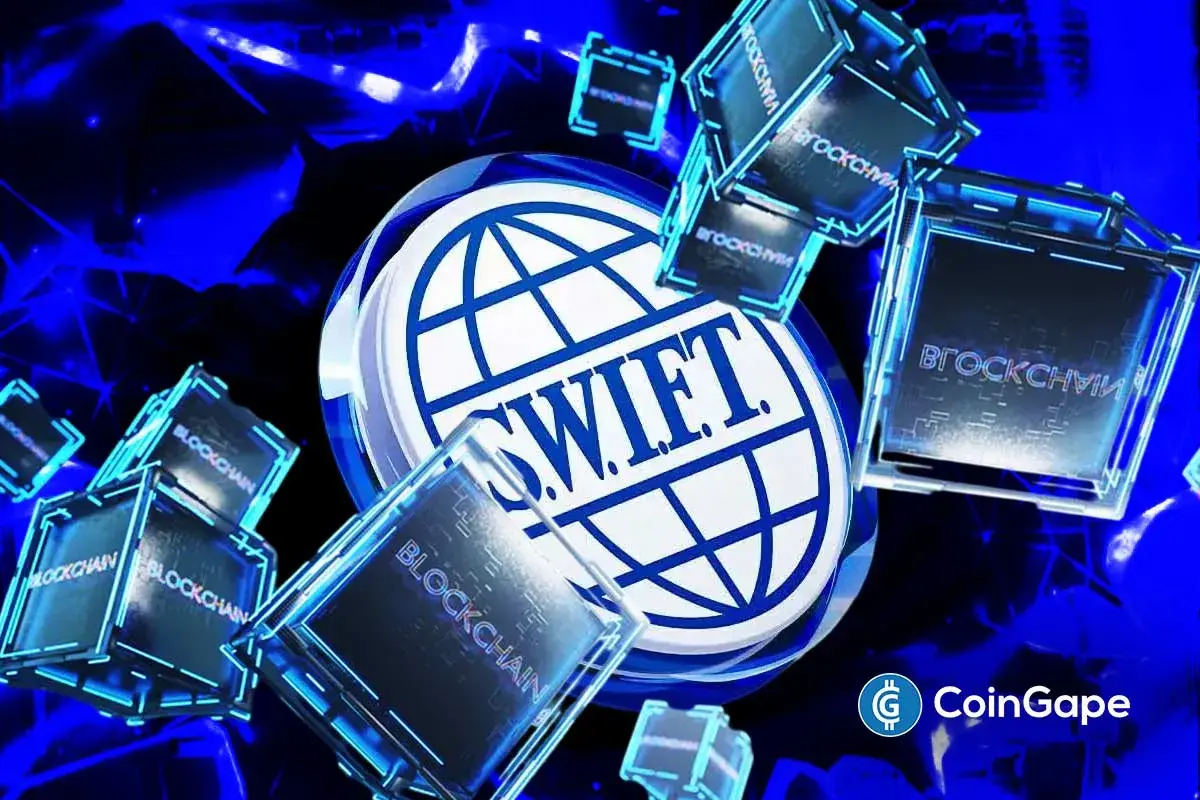
In September, SWIFT, the renowned payment messaging system, announced its plan to integrate blockchain technology into its cross-border payment process. However, the announcement has stirred skepticism among industry experts and tech enthusiasts alike, igniting comparisons to companies like Kodak and Blockbuster that failed to adapt to technological changes. Software Engineer Vincent Van Code underlined these concerns, stating, “the Legacy system is dead, just like Kodak, Blockbuster and saddlers, all obsolete.” His words reflect a growing belief that SWIFT’s efforts may be too little, too late, in a rapidly evolving financial landscape.
The Challenge Ahead for SWIFT’s Blockchain Integration
SWIFT’s proposal aims to create a shared, real-time record of transactions, ostensibly positioning the company as a forward-thinking player in digital finance. However, critics like Van Code question SWIFT’s ability to implement its blockchain system effectively within a 12-month timeline. The traditional infrastructure used by SWIFT is notorious for its slow processing times, while blockchain technology provides the potential for significantly faster transaction confirmations. This growing inefficiency could leave SWIFT vulnerable as customers increasingly seek quicker, cheaper alternatives in payment services.
The Customer’s Role: Will SWIFT Retain Its Clients?
According to Van Code, client retention is far from guaranteed for SWIFT if faster alternatives emerge. Modern online banks, equipped with advanced technology, already offer swift services at competitive rates. As customer demands evolve toward efficiency and convenience, big banks must acclimate to these expectations. Ripple’s recent approval to operate as a U.S. bank serves as a critical example of how institutions can leverage blockchain to enhance payment processes, thereby eroding SWIFT’s customer base unless it can adapt.
Insights from Industry Experts
Industry experts have varying opinions on SWIFT’s announcement. Les Purves highlighted that major banks already possess significant liquidity and worldwide connections, allowing them to adapt more quickly to new technologies. Meanwhile, he noted Ripple’s success hinges on its ability to serve smaller banks that lack the resources to compete with larger networks. The consensus suggests that as cryptocurrency and blockchain solutions mature, all entities in the financial sector may have to incorporate these technologies to remain relevant.
Examining SWIFT’s Ledger: Is it Truly Blockchain?
Another critic, Edward, expressed deeper technical concerns regarding SWIFT’s proposed ledger, questioning whether it embodies true blockchain technology. He suggested that SWIFT’s description of its system is intentionally vague and doesn’t capture the essence of decentralization that defines blockchain. Instead, it resembles a centralized database where banking institutions can simultaneously view payment status, raising questions about transparency and innovation. As larger financial entities unveil stablecoins, including initiatives from institutions like Sony Bank, the pressure mounts for SWIFT to clarify its offering.
Regulatory Hurdles and Concerns
Another layer of complexity surrounds the regulatory landscape for blockchain payment systems, particularly in the United States. Recent changes in administration have made navigating the regulatory environment challenging for companies innovating in this space. As organizations like SWIFT and Ripple aim to reshape payment processes, understanding regulatory compliance becomes crucial. Without clarity and support from regulatory bodies, the full potential of blockchain technology may remain untapped, further complicating SWIFT’s efforts to compete in a fast-paced and ever-evolving market.
Conclusion
SWIFT’s aim to incorporate blockchain technology into its existing systems signifies a recognition of the evolving financial landscape. However, the skepticism voiced by experts indicates that it faces substantial challenges in competing with faster, more efficient solutions already available in the market. With the growing expectations of customers, the pressures from innovative competitors, and the complexities of regulatory compliance, SWIFT’s future viability will depend on its ability to adapt and keep pace with the rapid advancements in technology. As the conversation around blockchain continues to unfold, it will be fascinating to see if SWIFT can truly reinvent itself or become part of the legacy it once represented.