



Ripple Receives Conditional Approval for National Trust Bank Charter: A Major Leap in Cryptocurrency
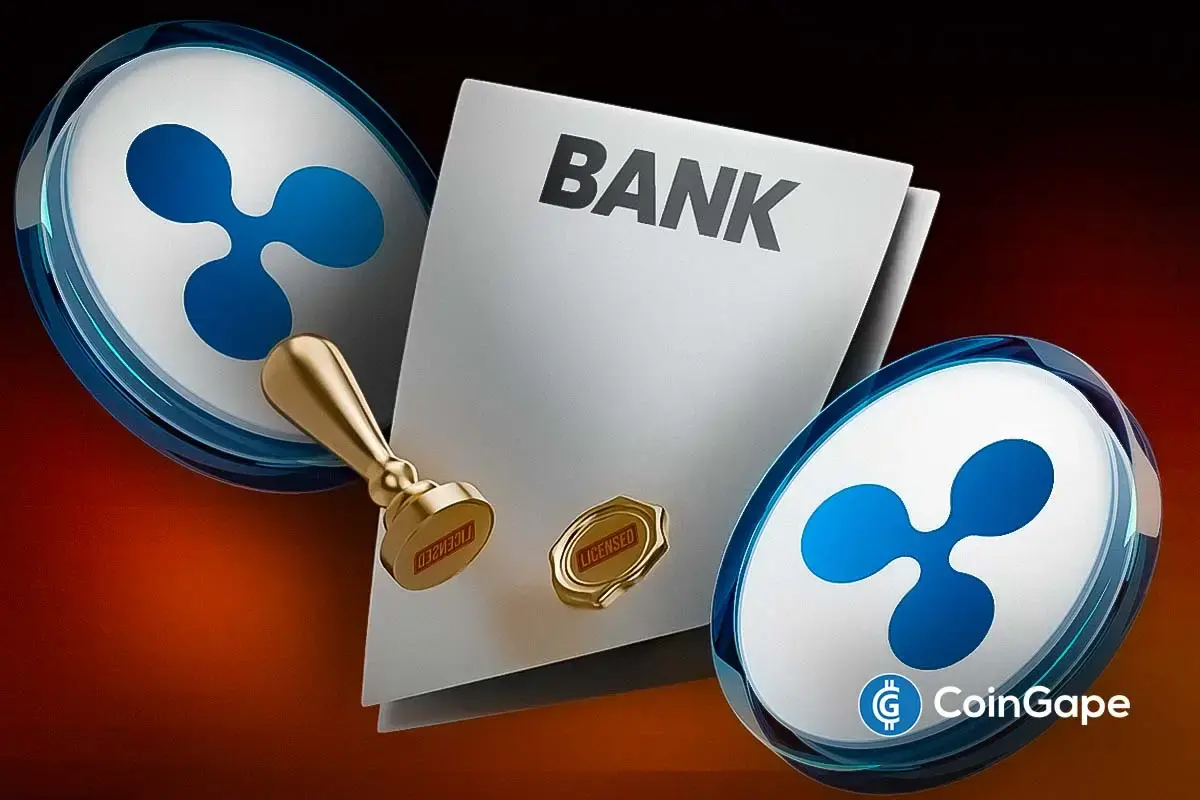
In a significant development for the cryptocurrency landscape, Ripple has acquired conditional approval from the U.S. Office of the Comptroller of the Currency (OCC) to operate as a national trust bank in the United States. This news has been met with enthusiasm from Ripple’s CEO, Brad Garlinghouse, who emphasized the implications for the company’s RLUSD stablecoin. The approval marks a key milestone in Ripple’s mission to enhance regulatory compliance and solidify its position within the financial ecosystem.
A Landmark Approval: What it Means for Ripple and the Crypto Industry
The OCC’s decision to conditionally approve Ripple’s application for a banking charter indicates a shift toward greater regulatory acceptance of cryptocurrency firms. According to the OCC’s announcement, Ripple will join nearly 60 other national trust banks under its supervision once it fulfills specific conditions. Given that Ripple’s application for the ‘Ripple National Trust Bank’ was submitted just over five months ago, this expedited approval highlights the growing interest in integrating digital assets with traditional banking frameworks.
Implications for RLUSD and Regulatory Oversight
One of the most notable outcomes of this approval is its potential impact on Ripple’s stablecoin, RLUSD. Garlinghouse proclaimed the decision as a "massive step forward," asserting that it sets a high standard for compliance with both federal and state regulations. This increased regulatory oversight is essential, especially for stablecoins, which play a crucial role in bridging the gap between traditional finance and the crypto world. By operating under stringent regulatory scrutiny, Ripple aims to bolster user trust and further legitimize the stablecoin sector.
Ripple Joins Other Notable Players in the Banking Sphere
Ripple is not the only cryptocurrency firm navigating the path to becoming a regulated bank. The OCC has similarly granted conditional approvals to several other entities in the crypto space, including Circle, which is in the process of launching the First National Digital Currency Bank. BitGo, Fidelity, and Paxos also received conditional green lights to transition from state trust companies to national trust banks. This broader movement signifies that the regulatory landscape is evolving, encouraging more firms to seek national banking licenses.
Addressing Concerns and Anti-Competitive Tactics
In light of these changes, Brad Garlinghouse has been vocal about addressing concerns surrounding the U.S. banking sector’s approach to cryptocurrency companies. He criticized the tactics employed by some banking lobbyists who may oppose the entry of crypto firms into the banking sphere. Garlinghouse took a firm stance, questioning why these lobbyists continue their campaigns against digital currencies when they themselves have often highlighted the need for regulatory oversight. This dialogue underlines a critical confrontation between traditional banking interests and the burgeoning cryptocurrency industry.
The Future of Ripple and the Crypto Banking Ecosystem
As Ripple moves forward under the conditional approval from the OCC, the company’s dual focus on compliance and innovation will play a vital role in shaping the future of digital finance. The integration of cryptocurrency with traditional banking systems may facilitate increased acceptance of digital assets and pave the way for further innovations within the financial sector. Investors and industry observers will closely monitor Ripple’s next steps as it endeavors to meet the conditions set by the OCC and fully realize its vision of a compliant and robust cryptocurrency ecosystem.
Conclusion: A New Era for Cryptocurrency Regulation
Ripple’s conditional approval from the OCC is a pivotal moment not just for the company, but for the overall cryptocurrency market. As the lines between traditional banking and digital assets increasingly blur, the importance of regulatory oversight becomes clearer. This approval serves as a positive signal to the market and could inspire further cooperation between cryptocurrency firms and regulators, potentially leading to a more cohesive financial landscape that embraces innovation while ensuring consumer protection. The future looks promising for Ripple as it aims to redefine what it means to operate in compliance within the vibrant world of cryptocurrencies.