


Ripple’s RLUSD and the SEC’s New Guidance on Stablecoins
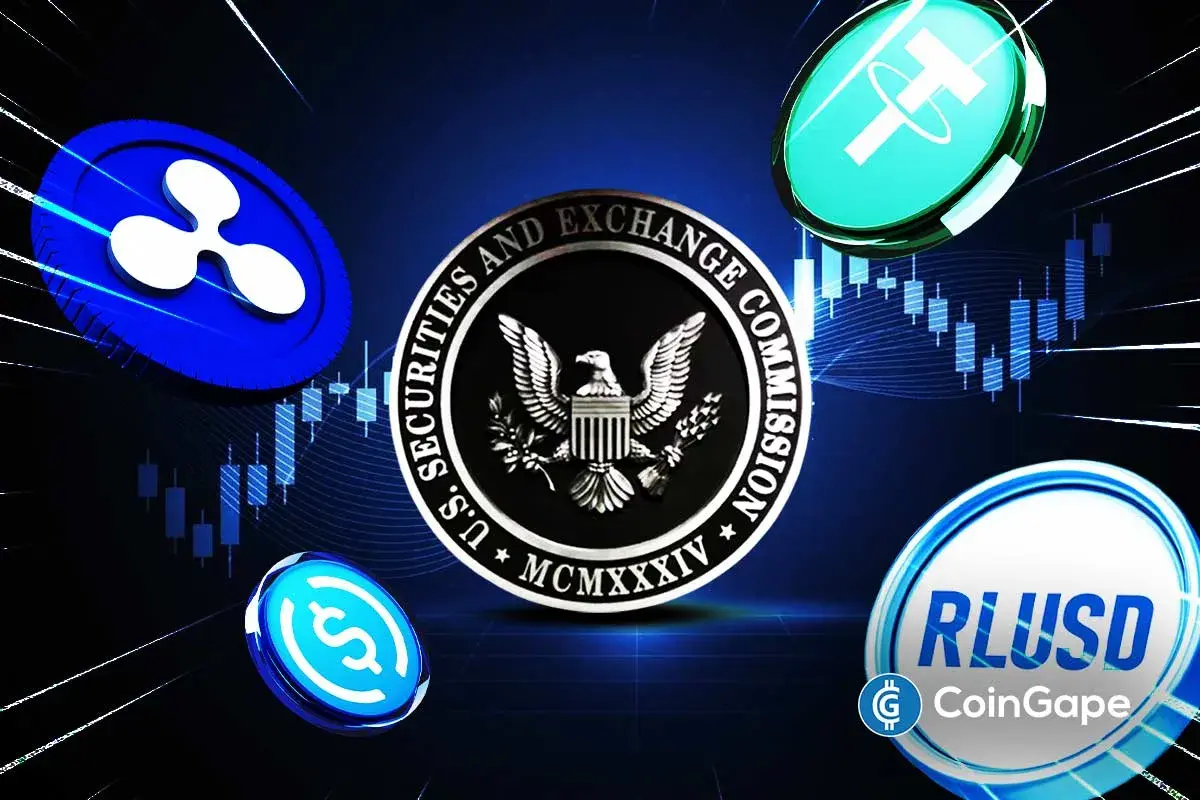
In a significant update for the cryptocurrency landscape, Ripple’s RLUSD and other payment stablecoins in the United States have received a major boost thanks to recent guidance issued by the Securities and Exchange Commission (SEC). This new direction essentially reduces the haircut that broker-dealers must apply to their positions in stablecoins, thus facilitating a smoother transition for traditional finance (TradFi) firms looking to explore opportunities on-chain. SEC Chair Paul Atkins has heralded this move as a critical step forward in enabling broader access to on-chain markets, underscoring the evolving relationship between digital currencies and conventional financial systems.
SEC’s Affirmation of Stablecoins
In the formal statement released by the SEC, Commissioner Hester Peirce emphasized that the Division of Trading and Markets has confirmed it would not object if broker-dealers applied a mere 2% haircut on proprietary positions in payment stablecoins for calculating their net capital. Previously, many of these financial institutions had adopted a cautious approach, applying a hefty 100% haircut to their stablecoin holdings. Such stringent measures had essentially barred these assets from being counted as regulatory capital. Peirce argued that a 100% haircut is “unnecessarily punitive” given the stablecoins’ backing by underlying reserve assets, and she clarified that the new 2% haircut aligns closely with traditional industry practices for registered investment companies.
The Future of Payment Stablecoins
Payment stablecoins, including Ripple’s RLUSD, and other similar instruments issued by state-regulated money transmitters or trust companies, stand to benefit significantly from the SEC’s new guidelines. As Peirce noted, stablecoins play a pivotal role in enabling transactions on blockchain networks. This guidance will empower broker-dealers to engage more actively in a wider variety of business activities involving tokenized securities and other crypto assets. The revised approach reflects the SEC’s intent to embrace the potential of stablecoins while creating a regulatory framework that fosters innovation rather than stifling it.
Shaping the Regulatory Environment
As the SEC contemplates a regulatory pathway for tokenized securities, Chair Paul Atkins has indicated that a narrow exemption for trading tokenized securities on emerging platforms is being explored. Expounding on the SEC’s latest guidance, Atkins called it a "terrific step" toward dismantling barriers and enhancing access to on-chain markets. This regulatory clarity is expected to provide the confidence needed for financial entities to venture into the digital asset space, broadening the scope of investment opportunities available to both institutional and retail investors.
Industry Reactions to the SEC’s Guidance
Industry leaders are recognizing the potential of the SEC’s recent directives. JP Richardson, CEO of Exodus, referred to it as the "most important win of the year," signaling a new era for integrating stablecoins into institutional finance. According to Richardson, broker-dealers will now have the capability to settle trades in stablecoins without adversely impacting their balance sheets, thereby catalyzing the economic viability of on-chain settlements for various assets including tokenized treasuries, equities, and bonds. This paradigm shift is likely to revolutionize how traditional financial systems operate, facilitating quicker and more efficient transactions.
A Path Towards Better Liquidity and Efficiency
Market expert Luigi DeMeo echoed Richardson’s enthusiasm, reaffirming that the SEC’s decision would significantly lower the barriers to integrating stablecoins into the infrastructure of traditional finance. The anticipated benefits include improved liquidity, more efficient settlement processes, and expanded institutional on-ramps—an essential factor as the financial sector increasingly leans towards digital solutions. With broker-dealers like Interactive Brokers already beginning to adopt stablecoin funding for brokerage accounts, the momentum toward integrating digital currencies into mainstream finance is more pronounced than ever.
In conclusion, the SEC’s latest guidance marks a pivotal moment for Ripple’s RLUSD and other payment stablecoins, enhancing their acceptability in traditional financial markets. As the regulatory landscape evolves, the integration of stablecoins into the broader financial ecosystem is set to unlock new avenues for growth, innovation, and efficiency, shaping the future of both digital and traditional asset management.