



Ripple and the OCC’s Expanded National Trust Charter: A New Era for Crypto Firms
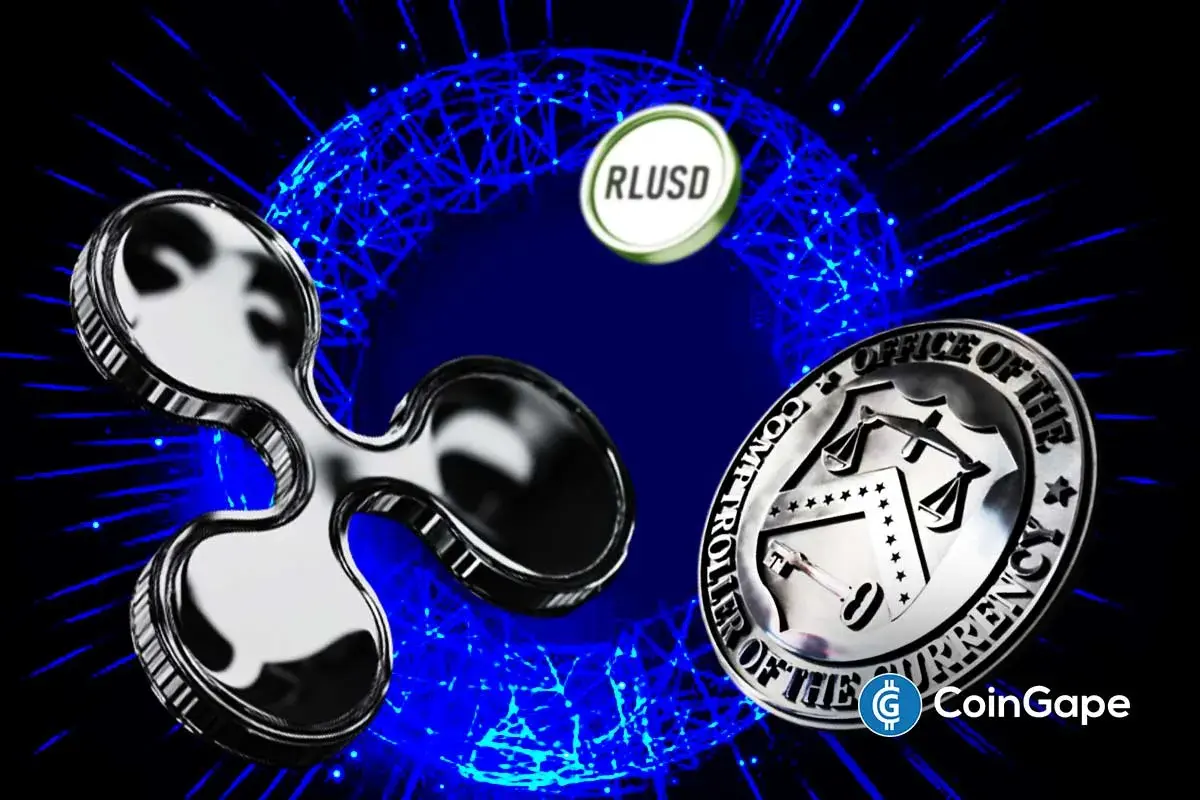
The U.S. Office of the Comptroller of the Currency (OCC) has made a significant announcement that could redefine the landscape for cryptocurrency firms in the United States. By expanding the services available under a national trust charter, the OCC has paved the way for firms like Ripple, Circle, Paxos, and Crypto.com to potentially access the U.S. financial system. This expansion is not just a regulatory formality; it fundamentally alters the operations and growth trajectories of crypto firms aiming for national trust bank status.
The OCC’s amendment to its chartering rule allows national trust banks to engage in non-fiduciary activities alongside their fiduciary duties. This pivotal change eliminates previous uncertainties that may have hindered crypto firms from fully participating in the banking landscape. Non-fiduciary activities, which include custodial services for client assets such as securities and cryptocurrency, are now recognized as incidental banking operations rather than core trust activities. This means that firms will no longer be required to fulfill fiduciary responsibilities when handling clients’ assets, thereby enhancing their operational flexibility and market potential.
This final rule is a significant victory for the crypto industry. Activists and stakeholders have lobbied for greater clarity and opportunities within traditional financial frameworks, and their efforts are now paying off. By allowing crypto firms to partake in non-fiduciary activities, the OCC is effectively facilitating a more integrated financial ecosystem, where digital assets can coexist alongside traditional fiat currencies. For Ripple, this presents a unique opportunity to expand its custody services, thereby enhancing adoption and usage of its offerings. Recently, Ripple has taken steps to broaden its service portfolio by introducing Ethereum and Solana staking options through a partnership with Figment.
While this development marks positive progression, the Federal Reserve is concurrently working on its own regulations, which could impact the relationship between crypto firms and traditional banking infrastructure. Specifically, the Fed has proposed the introduction of "skinny master accounts," which would grant limited access to firms like Ripple and Circle to its payment rails. Governor Chris Waller has indicated that the rules surrounding these accounts may be released in the fourth quarter of this year. However, this proposal has sparked contention within the banking community, with several institutions expressing concerns that such access could lead to increased fraud risks.
In a recent address before the Senate Banking Committee, Fed Governor Michelle Bowman underscored the need for regulatory clarity regarding solid capital and liquidity requirements for stablecoin issuers. The ongoing consultations with other banking regulators should help provide a more robust framework for the treatment of digital assets within the existing banking system. “Clarity on the permissibility of activities and a proactive approach to new use cases are crucial,” she emphasized, underlining the Federal Reserve’s commitment to integrating digital assets responsibly within traditional financial systems.
The OCC’s decision is not merely a regulatory shift; it signifies a broader acceptance of cryptocurrency within mainstream finance. With the possibility of gaining access to traditional banking services, firms such as Ripple can carve out new niches and innovate their offerings. As crypto firms increasingly look to partner with compliance-driven institutions, the expanded capabilities afforded by the OCC will facilitate this growth. Enhanced regulatory frameworks will not only bolster industry confidence but also encourage institutional investment in digital assets, ultimately leading to further integration of crypto into everyday financial transactions.
In conclusion, the OCC’s amendment represents a critical turning point for cryptocurrency firms seeking to operate within the U.S. banking system. By allowing national trust banks to engage in non-fiduciary activities, the OCC has unlocked new opportunities for firms like Ripple and others to expand their services and gain traction in the financial landscape. As regulatory clarity continues to evolve, the partnership between crypto firms and traditional finance is likely to deepen, creating a more inclusive financial ecosystem. As we await further developments from the Federal Reserve, it is clear that the future of crypto and banking will be intrinsically linked, fostering innovation and growth in the years to come.