



Hong Kong’s Strategic Shift in Cryptocurrency: Aiming for Global Leadership
In recent months, Hong Kong has made significant strides in reshaping its cryptocurrency landscape, positioning itself as a leading global digital asset hub. Key developments include the announcement of crypto tax breaks aimed at family offices and a clearer regulatory framework for stablecoins. These initiatives are not just administrative changes; they represent Hong Kong’s strategic vision to attract global investors and establish itself firmly in the digital economy.
Crypto Tax Reforms Targeting Family Offices
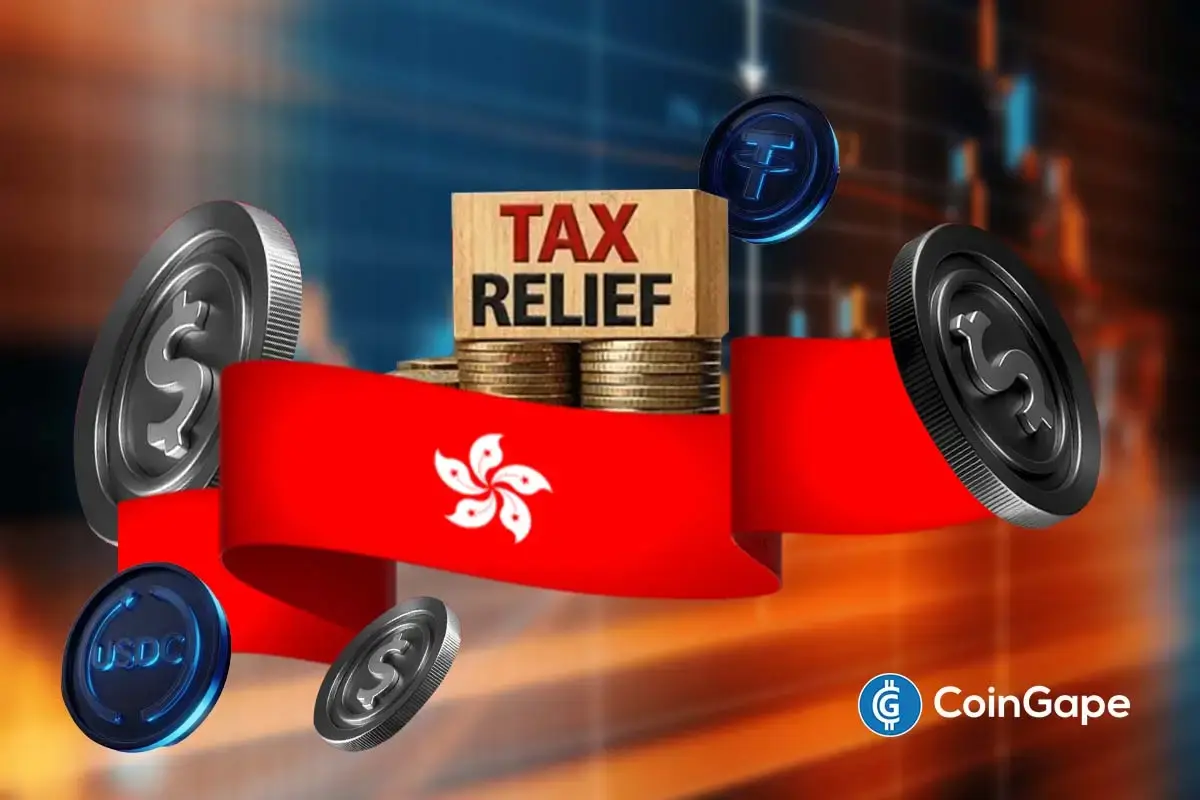
Hong Kong’s financial secretary, Paul Chan, has revealed plans to introduce tax concessions for family offices, which are private wealth management advisory firms that serve high-net-worth individuals. Expected to be formalized in an amendment bill by the first half of 2026, these tax breaks will influence the 2025–26 tax year. The introduction of favorable tax treatment for crypto investments aims to strengthen Hong Kong’s attractiveness as a destination for wealthy families looking to invest in digital assets.
With approximately 3,300 single-family offices already operating in the region, this move is designed to encourage further global investment. By providing clearer regulations and enhanced tax benefits, Hong Kong can potentially catalyze the establishment and expansion of family offices within its borders, thereby attracting substantial wealth and resources.
Comparative Analysis with Global Crypto Regulations
Hong Kong’s approach to crypto taxation places it in an interesting position on the global stage. Unlike countries such as Singapore, where cryptocurrencies are categorized as taxable property without special exemptions for family offices, Hong Kong is crafting unique tax strategies to draw in wealthy investors. Meanwhile, Switzerland offers favorable tax conditions, albeit dependent on local canton laws, while Dubai remains an attractive option for digital assets with its zero-tax policies for qualifying entities.
Additionally, the United States is reportedly contemplating implementing a zero crypto tax rule, further intensifying the competitive landscape. In this context, Hong Kong is strategically classifying cryptocurrencies as assets akin to precious metals and commodities, thereby creating an alternative investment framework specifically designed for affluent families engaged in international asset distribution.
Streamlining Stablecoin Regulations
Complementing its tax reforms, Hong Kong is actively working on a comprehensive regulatory framework for stablecoins. CoinGape reports that the city plans to introduce a licensing regime for stablecoin issuers by March. This regulatory framework is pivotal, as it aims to ensure that fiat-backed tokens operating in or marketing to Hong Kong adhere to stringent requirements regarding asset reserves and governance.
The Hong Kong Monetary Authority (HKMA) has outlined its intent to supervise these digital assets effectively. Ensuring that issuers of stablecoins can maintain adequate reserves and fulfill their redemption rights will enhance consumer protection and bolster investor confidence. This approach positions Hong Kong not just as a marketplace for crypto trading but as a responsible leader in the digital asset regulatory landscape.
Growing Local Industry: RedotPay’s IPO
One of the intriguing players in Hong Kong’s stablecoin ecosystem is RedotPay, a local stablecoin firm preparing for an initial public offering (IPO). Reports suggest that RedotPay is aiming to raise over $1 billion during this process. The anticipated IPO reflects growing interest and investment in digital financial services within the city, indicating a robust local industry backing.
As regulations tighten and tax reforms take shape, companies like RedotPay will likely thrive, creating a symbiotic relationship between regulatory bodies and burgeoning crypto firms. This interaction will further enhance Hong Kong’s reputation as a serious contender in the global cryptocurrency domain.
Key Implications for Investors and Stakeholders
Hong Kong’s evolving regulatory framework and tax reforms have significant implications for investors and stakeholders. By making it more financially appealing for family offices and affluent investors to engage in cryptocurrency trading, the city is not only encouraging domestic participation but also luring foreign investments. This influx of capital can stir innovation, encourage new startups, and bolster existing financial enterprises within the region.
Furthermore, as Hong Kong lays down its regulatory groundwork for stablecoins, it sets a precedent that other jurisdictions might follow. The focus on strict licensing and governance could become a model for other countries looking to formalize their locations in the global crypto landscape.
Conclusion: The Future of Hong Kong’s Crypto Landscape
Ultimately, Hong Kong’s multifaceted strategy of implementing tax reforms and developing a regulatory framework for cryptocurrencies positions it well for future growth. As the city capitalizes on its favorable tax environment and inspects its care-driven approach towards stablecoin regulation, it not only enhances its financial sector but also navigates the evolving global cryptocurrency market with agility.
By appealing to family offices and harnessing local blockchain enterprises, Hong Kong is making headway toward its ambition of becoming a premier global digital asset hub. Investors, financial institutions, and stakeholders should keep a close eye on these developments, as they hold the potential to reshape the future landscape of international cryptocurrency investment and regulation.