



Ripple Expands Its Footprint in the UAE: A Game Changer for Cross-Border Payments
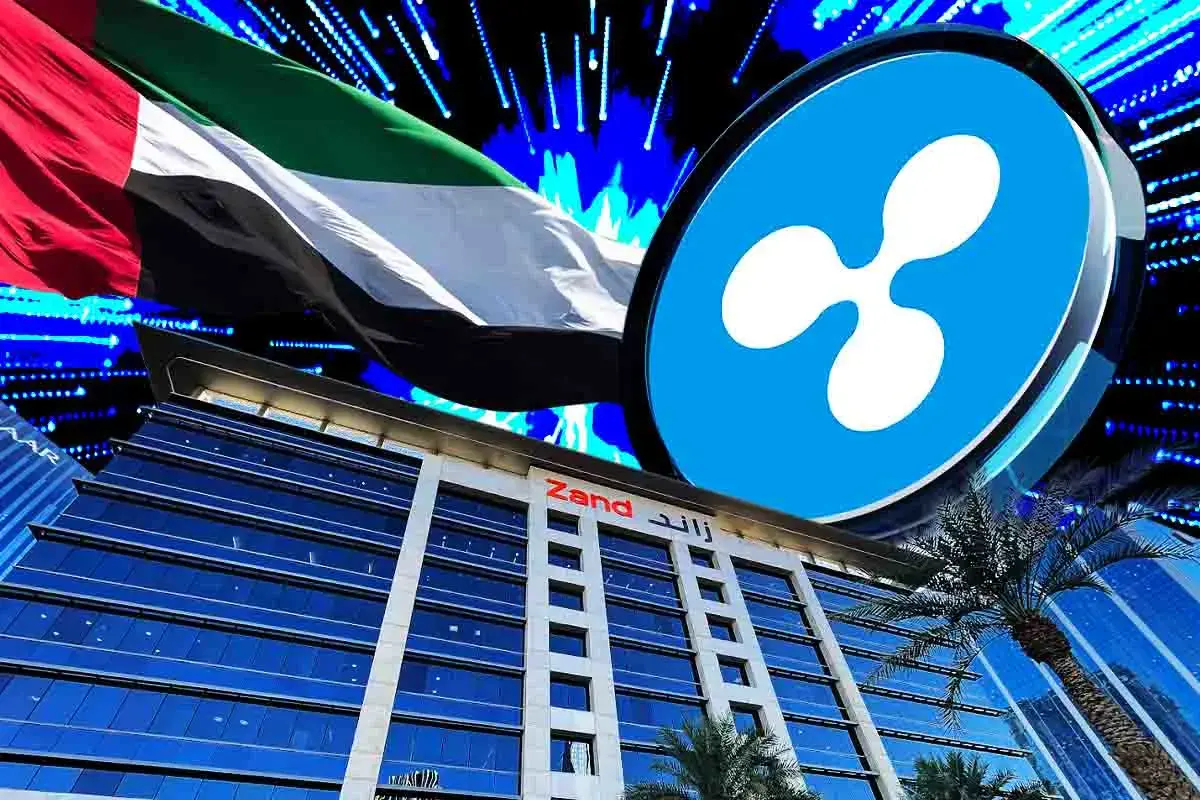
Ripple, a leader in blockchain technology for financial services, is making significant strides in the Middle East. The company recently formed key partnerships with Zand Bank and Mamo, both based in the UAE. These collaborations come just months after Ripple secured its license from the Dubai Financial Services Authority (DFSA) in March. These initiatives aim to elevate Ripple’s role in the region’s cross-border payments landscape.
Strategic Partnerships to Drive Growth
With its new DFSA license, Ripple is sharpening its focus on regional growth with its innovative platform, Ripple Payments. Designed for rapid and cost-effective international money transfers, Ripple Payments employs blockchain technology to facilitate streamlined transactions. Zand Bank, a forward-thinking digital bank, plans to leverage Ripple’s technology to enhance its payment systems. Moreover, the bank is gearing up to introduce a stablecoin linked to the UAE dirham (AED), illustrating a deeper commitment to blockchain integration.
In parallel, UAE fintech startup Mamo is set to utilize Ripple’s capabilities to enhance the efficiency and reliability of its cross-border payments. CEO Imad Gharazeddine emphasized the benefits of this collaboration, stating that Ripple’s infrastructure will enable Mamo to scale operations faster and with enhanced security. This partnership positions Mamo to meet the rising demand for swift and secure payment solutions in an increasingly digital financial ecosystem.
Ripple Payments: A Global Perspective
Ripple Payments currently boasts impressive statistics, supporting over 90 global payout markets and processing more than $70 billion in transaction volume globally. The platform also incorporates XRP as a bridge currency for specific routes via its On-Demand Liquidity (ODL) service, enabling faster currency exchanges and enhanced liquidity. As Ripple continues to refine its technology and expand its ecosystem, the company stands to disrupt traditional financial systems and redefine cross-border payments.
XRP Price Performance and Market Dynamics
Despite its technological advancements, XRP’s price recently experienced a 3.5% decline, dropping to $2.31 within a 24-hour period. This decline reflects a broader trend within the cryptocurrency market, but it also highlights Ripple’s commitment to addressing persistent challenges in cross-border payments, particularly in high-growth markets like the UAE. This consistent focus on innovation may pave the way for stronger price resilience in the long run.
Legal Developments and Future Prospects
Looking ahead, Ripple recently gained positive momentum following a legal ruling in its ongoing dispute with the SEC. Judge Analisa Torres denied a motion for an indicative ruling, eliciting varied reactions within the XRP community. While the latest ruling wasn’t favorable, legal experts, including John Deaton and Fred Rispoli, have weighed in on the implications for Ripple’s future. The company is working on submitting a revised motion in hopes of resolving its protracted legal challenges.
Additionally, the introduction of XRP futures contracts by CME Group represents a crucial advancement for the token’s trajectory. This move has the potential to broaden XRP’s appeal to institutional investors and support the token’s further adoption in the financial sector.
Conclusion: A Promising Horizon for Ripple
In summary, Ripple’s foray into the UAE through strategic partnerships and innovative technology positions the company for a transformative impact on the cross-border payments landscape. With its DFSA license and ongoing collaborations with Zand Bank and Mamo, Ripple is poised to address pressing payment challenges in the Middle East. As the cryptocurrency market continues to evolve and recover, Ripple’s focus on legal resolutions and expanding its infrastructure may enhance the long-term stability and success of XRP and its offerings. By continually innovating and fostering collaborations, Ripple stands at the forefront of financial technology development in the region and beyond.