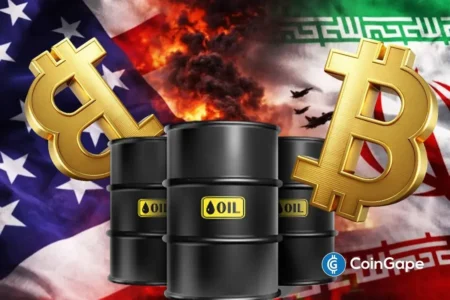





Crypto Market Faces Pressure Amid Intensifying U.S.-Iran Conflict
As the U.S.-Iran war approaches its third week, the cryptocurrency market is experiencing notable downturns. The current geopolitical tensions are putting renewed pressure on Bitcoin and other cryptocurrencies, leading to a significant loss in market capitalization. According to trading data, the total crypto market cap has declined from $2.4 trillion to approximately $2.38 trillion, with Bitcoin trading below $71,000 after a brief spike to nearly $74,000.
The ongoing threats from Iran to escalate its military capabilities—particularly in relation to U.S. airstrikes on Iran’s Kharg Island—have heightened apprehension in financial markets. Reports indicate that Iran, led by its Supreme Leader Mojtaba Khamenei, will intensify its use of ballistic missiles, a move that could have dire implications for global stability and oil supply chains. With Kharg Island serving as a pivotal terminal for Iran’s oil exports, any further military engagement in the region can drastically influence oil pricing, which subsequently impacts the cryptocurrency market as traders react to these fluctuations.
The historical context adds weight to the current scenario as U.S. President Donald Trump revealed in a recent statement that military assets on Kharg Island had been “totally obliterated.” His warning to Iran about safeguarding the “Safe Passage of Ships through the Strait of Hormuz” adds another layer of complexity. The Strait of Hormuz is crucial for global oil transport, funneling approximately 20% of the world’s oil supply. The continued conflict and threats to this essential shipping lane are expected to keep oil prices elevated, which tends to negatively impact cryptocurrency valuations as uncertainty reigns supreme.
Within this complex environment, prominent voices are advocating for resolution. David Sacks, the White House AI and Crypto Czar, urged the Trump administration to consider a strategic exit from the conflict. In the latest episode of the All-In podcast, he argued for a ceasefire or negotiated settlement with Iran, emphasizing that the U.S. had already severely weakened Iran’s military capabilities. His call for a de-escalation comes as an optimistic outlook amidst turmoil, suggesting that ending hostilities could restore some stability to the crypto market.
However, contrasting opinions from Trump signal prolonged unrest. Despite Sacks’ suggestions for peace, the President’s comments about the conflict ending only when he feels it “in his bones” usher in uncertainty about the timeline for resolution. Market participants are currently pricing in an extended conflict, with data from Polymarket indicating only a 16% chance of the situation resolving by the end of March and a 53% chance by April. The hesitation surrounding the duration of the conflict reflects negatively on investor confidence in cryptocurrencies.
In summary, the current geopolitical struggles between the U.S. and Iran are weighing heavily on cryptocurrency prices. Traders and investors are closely monitoring developments as they contend with potentially volatile oil prices and the impact of military threats. As advocates like David Sacks push for peace, the market remains on edge awaiting decisive actions that could either foster a more stable financial landscape or exacerbate the risk factors contributing to ongoing declines. Understanding these dynamics can provide insight into the cryptocurrency market’s fluctuations during turbulent global events.