


India’s Response to US-Iran Tensions: A Call for Diplomatic Solutions
As geopolitical tensions continue to rise between the United States and Iran, India is sharpening its diplomatic approach and assessing its economic stability. Prime Minister Narendra Modi is set to convene an emergency cabinet meeting to address the potential impacts of the ongoing US-Iran conflict on vital Indian industries. Given the strategic importance of the Strait of Hormuz in global oil transportation, which accounts for approximately 20% of the world’s oil supply, the implications for India’s energy security are significant.
The Significance of the Strait of Hormuz
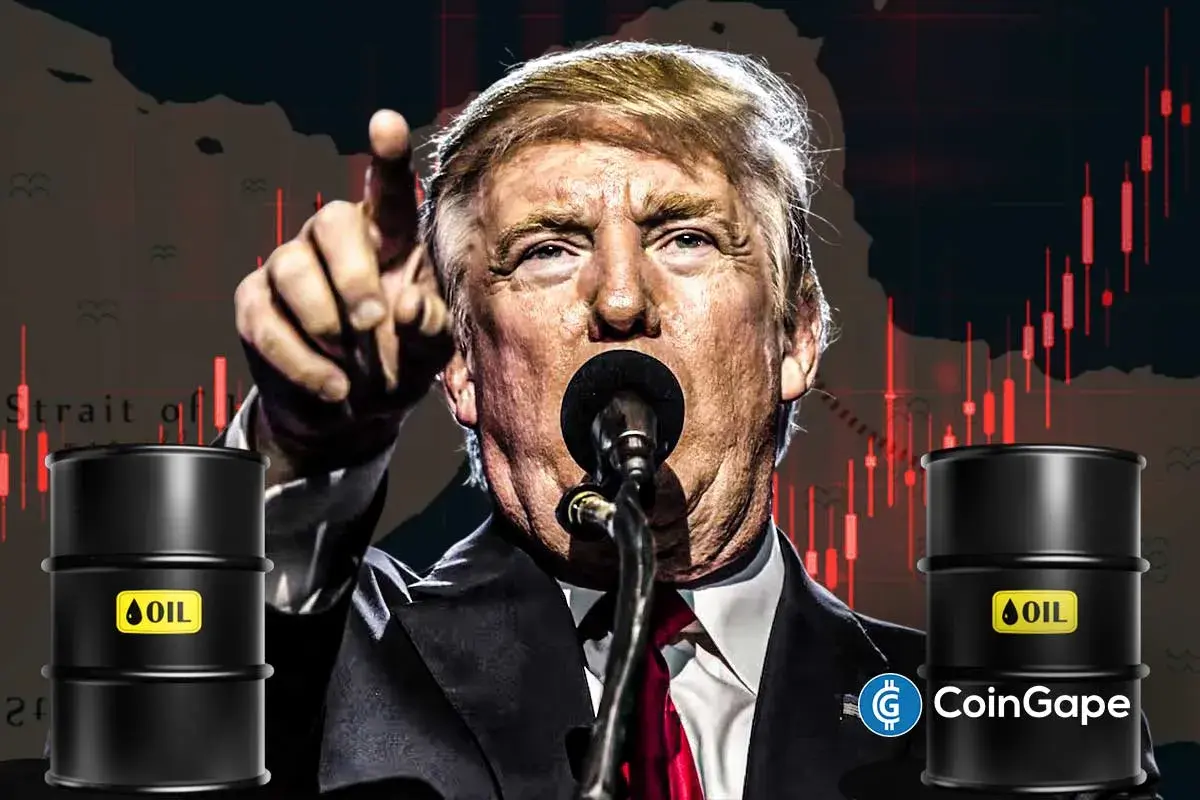
The Strait of Hormuz serves as a critical maritime chokepoint that is vital for international trade and energy security. Recently, Iran’s threats to close this strategic route have invoked warnings from US President Trump, who has imposed a 48-hour ultimatum for its reopening. The expected closure could lead to a severe disruption in oil supplies, putting immense pressure on countries like India, which relies heavily on imported crude and natural gas. The recent arrival of vessels laden with LPG and oil, despite escalating threats, highlights the precarious balance of energy supply in the region.
India’s Role as a Mediator in the Crisis
In the midst of escalating tensions, Iran has called upon India to leverage its diplomatic influence for de-escalation. Iranian President Masoud Pezeshkian recently urged Prime Minister Modi to take an independent stance, positioning India as a neutral party that can facilitate dialogue. With India currently holding the BRICS chair, its involvement could stem the tide of conflict by advocating for peaceful negotiations and regional stability. Modi’s response, fumbling to condemn attacks on critical infrastructure, emphasizes the necessity of maintaining safe shipping routes and reinforcing India’s commitment to a peaceful resolution.
Economic Impact: A Looming Crisis for India
The conflict between the US and Iran poses significant economic risks, particularly for India, which finds itself in a vulnerable position due to its reliance on imported energy. The potential for rising oil prices—currently standing at $98 per barrel—can exacerbate inflation and drive up domestic fuel costs. Experts warn that any blockade in the Strait of Hormuz could lead to an increase in India’s import bills, presenting a challenge to the country’s economic stability. As India prepares to address these challenges, Modi’s emergency meeting is timely, aimed at strategizing for any kind of disruption in energy supplies.
Evaluating Preparedness and Alternative Routes
The upcoming cabinet meeting is expected to cover crucial aspects such as current fuel stock levels, alternative supply routes, and overall preparedness for potential surges in fuel prices. Given the volatile situation, India’s ability to pivot quickly and adapt to changing circumstances will be key in ensuring energy security. It may explore partnerships and routes beyond traditional suppliers, thereby hedging against unforeseen disruptions from the conflict.
Iran’s Diplomatic Engagement with India
With ongoing efforts from Iran to stabilize the situation, its diplomatic overtures to India signal a willingness for engagement. While Iran stands firm on its stance against aggression towards its energy infrastructure, it is also looking to India as a potential peace broker in the region. Such collaboration underscores the importance of multilateral initiatives that can foster dialogue and create space for conflict mitigation. Considering the mutual reliance on energy and trade, this becomes a strategic partnership that could benefit both nations.
Conclusion: The Path Ahead for India
As tensions between the US and Iran persist, India stands at a crossroads, balancing its energy needs with its role as a regional mediator. The government’s swift actions to convene an emergency meeting indicate a proactive approach to safeguarding its economic interests while promoting stability in the Middle East. Through diplomatic engagement, India can leverage its position to advocate for dialogue and peace, emphasizing the importance of open sea lanes for international trade. The outcome of these efforts will significantly shape not only India’s economic landscape but also the broader geopolitical balance in the region.