


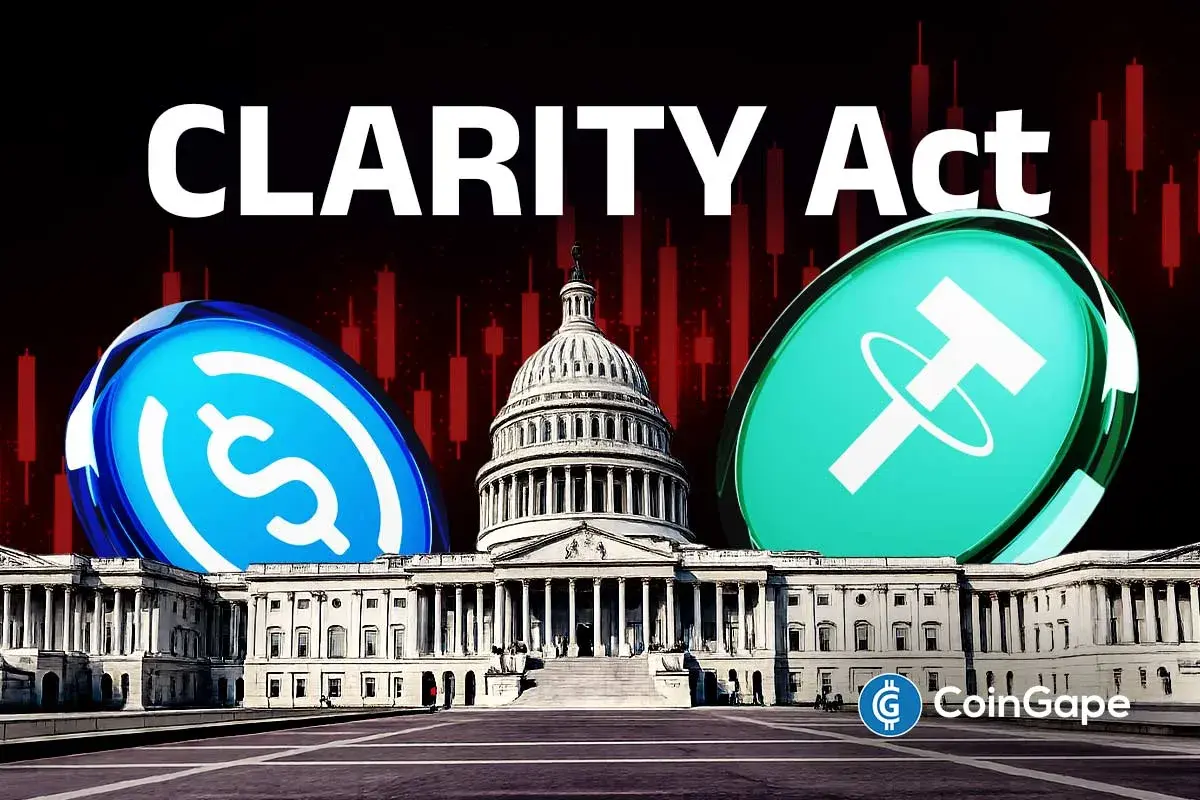
CLARITY Act Faces Challenges: An Insight into Crypto Legislation’s Future
Galaxy Digital’s Head of Research, Alex Thorn, has recently raised concerns about potential delays regarding the CLARITY Act. While the stablecoin rewards issue is currently in focus, Thorn emphasizes that there could be additional hurdles to overcome in the legislative process. At the same time, pro-crypto Senator Cynthia Lummis continues to advocate for the passage of the crypto bill, urging her colleagues to work diligently toward its approval.
Stablecoin Rewards: A Significant but Not Sole Hurdle
Thorn’s observations come in the wake of a reported agreement between the White House and key senators regarding stablecoin rewards. This agreement aims to address the ongoing friction between the crypto industry and traditional banking institutions, which has been a significant roadblock for the Senate Banking Committee. However, while the progress on stablecoin rewards is encouraging, it’s clear from Thorn’s insights that this issue may not be the only challenge impeding the CLARITY Act’s advancement.
Thorn has hinted at various other potential hurdles, including matters related to decentralized finance (DeFi), developer protections, and the extent of the SEC’s authority. These factors could complicate the legislation further and create additional delays in navigating the complexities of crypto regulation.
A Step Forward, But More Work Ahead
Following the optimistic reports regarding stablecoin rewards, Patrick Witt, a crypto advisor to Trump, reiterated that there remains substantial work to finalize this aspect and other outstanding issues. He acknowledged the recent deal as a "major milestone" in progressing the CLARITY Act but cautioned that until all concerns are addressed, the bill’s passage is still uncertain. It’s essential to bridge any remaining gaps to ensure the bill does not stall again.
Collaboration among senators, especially those who have shown willingness to work across party lines, has been crucial. The efforts of senators like Thom Tillis and Alsobrooks have been credited with making significant strides. However, as Witt highlighted, it’s vital to sustain momentum to ensure the bill’s future.
The Urgent Need for Timely Passage
During a recent interview, Kristin Smith, president of the Solana Institute, articulated the urgency of passing the CLARITY Act before the upcoming August deadline. She outlined the challenges of legislating during an election year, indicating that availability of senators diminishes significantly as the year progresses. With midterm elections in October, the likelihood of a final vote in December remains uncertain.
Smith indicated that the Senate is expected to focus primarily on appropriations bills in September, leaving limited room for crypto-related legislations. The key objective is for the Senate Banking Committee to advance the bill as quickly as possible to ensure its timely review and approval.
Senators Pushing for Progress
Senator Cynthia Lummis has also been vocal about the urgency to advance the CLARITY Act. With the committee potentially set to meet after the Easter recess, Lummis expressed optimism about getting the bill across the finish line by the end of the year. Her staunch advocacy is part of a broader ambition to position the U.S. as the leading hub for cryptocurrency markets, echoing a vision shared even among high-profile political figures.
In her recent X post, Lummis reiterated the importance of passing the CLARITY Act, emphasizing that a conducive regulatory environment is crucial for the crypto industry to flourish. As the landscape becomes more competitive globally, timely legislative action could be instrumental in asserting U.S. leadership in digital assets.
Balancing Innovation and Regulation
The CLARITY Act represents a critical junction at which regulatory frameworks need to balance innovation with necessary oversight. While the focus is on stablecoin rewards, it is essential to recognize that the legislation must also address broader concerns, including user protections, transparency, and accountability within the crypto space.
Failure to advance the CLARITY Act could create an environment of uncertainty for developers and industry stakeholders, ultimately hindering innovation. The current dialogue around crypto regulation goes beyond just compliance; it seeks to create frameworks that promote growth while safeguarding market participants.
Conclusion: The Road Ahead for Crypto Regulation
In light of the ongoing discussions and developments surrounding the CLARITY Act, it is evident that while there are steps being taken toward resolution, significant challenges remain. The urgency expressed by industry leaders like Thorn and Smith underscores the need for swift action from lawmakers. As discussions of stablecoin rewards continue, it’s vital to address the broader regulatory landscape to foster a robust and innovative crypto ecosystem.
The commitment from senators like Lummis is promising, but continued bipartisan collaboration will be essential to overcome the hurdles that lie ahead. For the CLARITY Act to serve as a true guiding framework for cryptocurrency regulation in the U.S., timely passage and comprehensive coverage of all pertinent issues are paramount. The momentum must not only be maintained but accelerated, ensuring that the U.S. remains at the forefront of the crypto revolution as the industry evolves.