



The Rise and Fall of the Microsoft Token: A Cautionary Tale in Cryptocurrency Scams
In an alarming incident in the cryptocurrency market, a so-called Microsoft Token has crashed by an astonishing 96% over two days, resulting in losses nearly amounting to $80 million. This token falsely claimed a connection to Microsoft and purported to be an AI-focused project, drawing significant interest from retail investors. However, it soon became evident that the entire venture was nothing more than an elaborate scam, designed to exploit the current trends in the crypto space.
The Illusion of Credibility
Initially, the Microsoft Token generated considerable buzz, leveraging the tech giant’s name alongside trending technological concepts like artificial intelligence. Despite having no tangible product or legitimate connection to Microsoft, the token’s market cap shot up past $80 million due to increased retail interest. This phenomenon highlights how easily the cryptocurrency community can be swayed by the allure of reputable names and enticing jargon. Investors, particularly newcomers, were drawn in by what seemed like an exciting opportunity, unaware they were stepping into a trap.
Unmasking the Scam
Blockchain analysts played a critical role in shedding light on the dubious nature of the Microsoft Token. On-chain researchers thoroughly examined blockchain data and found no legitimate links to Microsoft or its AI initiatives. The analysis revealed suspicious wallet activity, showing large purchases prior to the public launch, followed by a swift, coordinated sell-off—hallmarks of a classic pump-and-dump scam. These findings underscored how essential it is to conduct proper due diligence when considering investments in the cryptocurrency space.
The Price Collapse
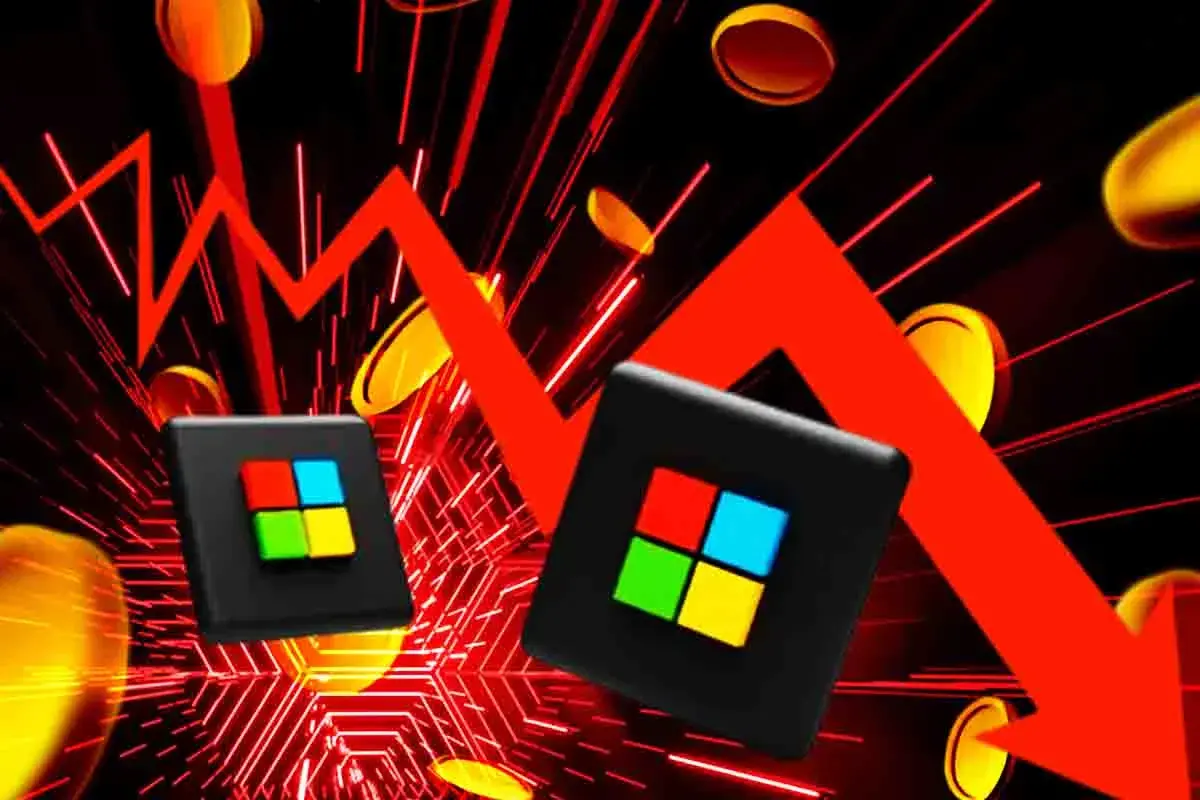
As the initial hype surrounding the Microsoft Token began to fade, so did its value. Within hours, the token’s price plummeted by 96%, leaving countless investors with heavy losses. Charts illustrating the token’s performance indicate a sudden surge that quickly turned into a steep decline. This type of market manipulation is characteristic of scams designed to capitalize on unsuspecting investors who fail to see the red flags.
The Aftermath: Confirmed Rug Pull
Following the massive sell-off, the Microsoft Token’s website and associated Telegram group vanished, clearly indicating that it was a rug pull—where developers withdraw all funds and flee, leaving investors high and dry. This swift disappearance further solidified suspicions that the project was, indeed, a scam. Such scenarios serve as a stark reminder of the volatility and potential risks associated with newly launched cryptocurrencies.
Escalating Risks in the Crypto Space
The rise of fraudulent tokens like the Microsoft Token is part of a broader trend of increasing scams in the cryptocurrency sector. Many scammers are becoming increasingly savvy, using buzzwords like “AI” and “Web3” to mislead potential investors. Consumers need to be particularly cautious, as fraudulent job offers in the crypto industry are also on the rise. For instance, Deribit—a prominent crypto exchange—recently alerted users about recruitment scams that are preying on individuals looking for jobs within the crypto realm.
Navigating the Crypto Landscape Safely
The unfolding saga surrounding the Microsoft Token underlines the importance of due diligence in the cryptocurrency market. Potential investors should arm themselves with knowledge about existing scams and understand the signs of fraudulent schemes. As excitement around trends like AI and decentralization continues to grow, staying informed and cautious will be key in navigating an increasingly complex and, at times, perilous crypto landscape. Always remember: if an investment seems too good to be true, it probably is.
In conclusion, the Microsoft Token fiasco presents an urgent call for vigilance in the cryptocurrency world. As scams proliferate, thorough research and skepticism toward sensational claims are crucial for safeguarding your investments.