


Kevin Warsh’s Senate Banking Committee Hearing: A Complex Landscape Ahead
The upcoming Senate Banking Committee hearing, scheduled for April 16, will feature Kevin Warsh as a nominee, amidst a backdrop of fluctuating expectations for Federal Reserve rate cuts. Despite the financial landscape continually shifting, the committee’s potential resistance complicates the nomination process. Specifically, Sen. Thom Tillis has stated his opposition to supporting Warsh until an ongoing federal investigation is completed, emphasizing the need for the Federal Reserve’s independence in decision-making. This situation introduces a level of uncertainty as the hearing date approaches, leaving traders and financial experts on edge regarding Warsh’s potential confirmation.
Resistance Within the Senate Banking Committee
Although the Senate Banking Committee has not formally announced the nomination hearing for Kevin Warsh, sources have confirmed that it is set for April 16. The nominee has garnered respect for his qualifications; however, preocupations loom regarding the ongoing investigation into the Federal Reserve. Senator Tillis’s insistence on waiting for the probe’s outcome underlines the broader concern of maintaining the Federal Reserve’s autonomy. The political dynamic in the Senate plays a critical role in the fate of Warsh’s nomination, as committee members weigh both their political convictions and the ramifications of confirming a nominee amidst regulatory scrutiny.
Ongoing Investigation into Jerome Powell
Complicating the landscape further is a federal investigation focused on Federal Reserve Chairman Jerome Powell. Investigators are examining claims that Powell may have misled Congress regarding substantial renovations to Federal Reserve buildings. Powell has vehemently denied these allegations, asserting that the investigation is politically motivated. The judicial aspect has also been dynamic; recently, federal judge James Boasberg limited the scope of the probe by blocking subpoenas, citing a lack of evidence for fraud. This ruling adds another layer of uncertainty, yet prosecutors have indicated plans to appeal, suggesting the investigation may continue to linger over the Federal Reserve’s leadership.
Impact of Recent Jobs Data on Rate Cut Expectations
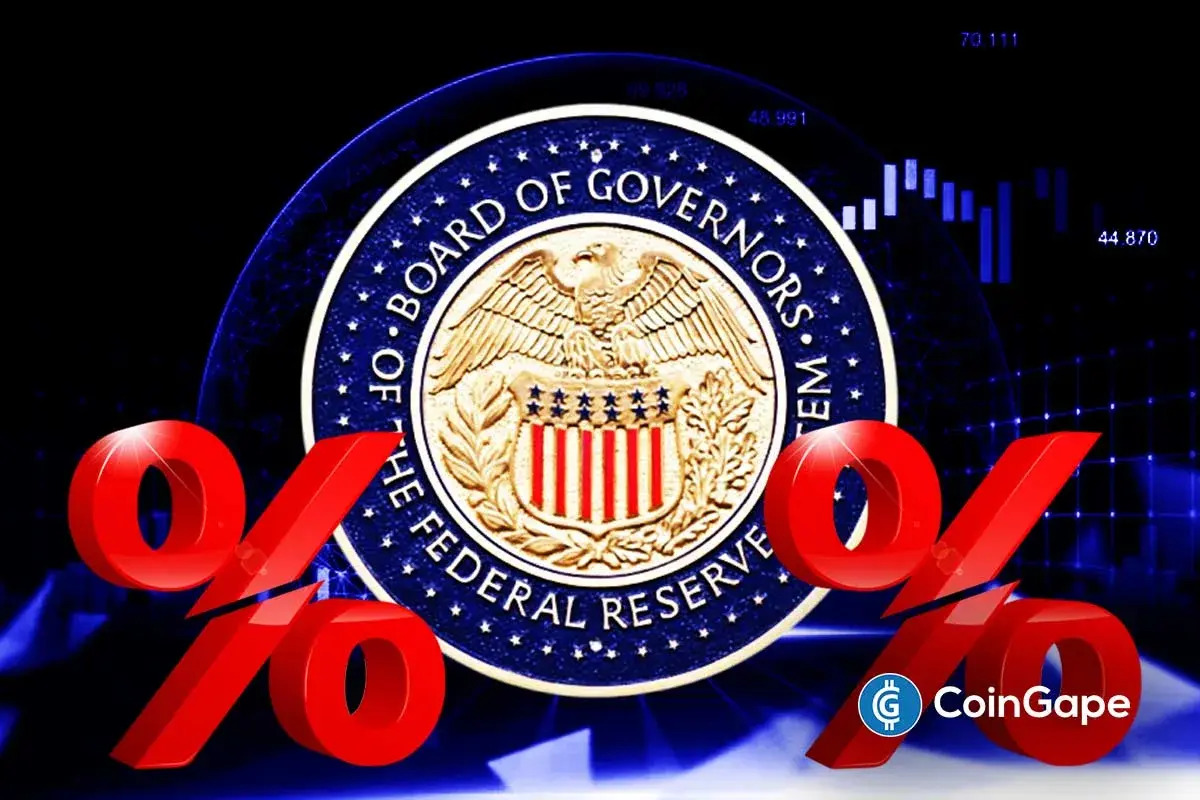
In financial markets, the anticipation for Federal Reserve rate cuts has dramatically declined in recent weeks. Influenced by unexpected jobs data, traders have adjusted their outlook for potential rate reductions. Current predictions indicate a meager 1% chance of a rate cut in the April meeting, with only slight increases projected for June and July, now standing at 11% and 21%, respectively. Such shifting expectations highlight a nervous market grappling with potential inflationary pressures, further complicating any initiatives the Federal Reserve may consider in easing monetary policy.
Inflation Pressures Compound Market Uncertainty
Moreover, significant inflation risks are intensifying market uncertainty and influencing sentiments regarding potential rate cuts. Rising energy costs, particularly linked to geopolitical tensions such as the Iran conflict, have exacerbated inflation concerns among traders. As a result, confidence in short-term monetary policy easing is dwindling. This atmosphere creates heightened pressure on the Federal Reserve to navigate these economic challenges while retaining its independent stance, a principle repeatedly emphasized by lawmakers, including President Trump, who has been vocal about his desire for lower interest rates.
Political Dynamics and the Path Forward
The intersection of political dynamics and the monetary policy environment is crucial as we evaluate Kevin Warsh’s hearing. President Trump’s continued support for Warsh’s confirmation amidst the political tensions exemplifies the complicated nature of the current financial landscape. The administration’s changes within the Department of Justice, notably the recent appointment of Todd Blanche as acting attorney general after Pam Bondi’s removal, indicate fluidities in the proceedings that could impact ongoing investigations and the broader context of the Federal Reserve’s operations.
In conclusion, Kevin Warsh’s upcoming Senate Banking Committee hearing is set against a backdrop of political struggle, regulatory scrutiny, and shifting market expectations. While his qualifications offer a strong foundation, resistance from key committee members, ongoing investigations into Jerome Powell, and evolving economic conditions introduce layers of complexity. As stakeholders prepare for the April 16 hearing, the broader implications for Federal Reserve policies and market movements are worthy of close attention.