



Iran-U.S. War: The Latest Developments and Future Implications
The ongoing U.S.-Iran conflict has captured global attention as Iranian Foreign Minister Abbas Araghchi addresses rumors surrounding peace talks. He is keen to clarify Iran’s position, denying claims that the country rejected an opportunity for negotiations in Pakistan. As Iran’s war with the U.S. approaches its sixth week, both sides find themselves at an impasse, raising questions about the future of the conflict and its implications for international relations and economic stability.
Iran’s Position on Peace Negotiations
In a recent statement, Abbas Araghchi emphasized that Iran has not turned down opportunities for dialogue with the U.S. in Pakistan, contrary to reports from U.S. media. He expressed that Iran is more focused on the conditions necessary for a “conclusive and lasting END” to what it terms an illegal war. This assertion comes amidst growing tensions as pressure mounts from the U.S. side, particularly ahead of President Donald Trump’s self-imposed April 6 deadline for negotiation progress. The ambiguity surrounding both countries’ willingness to engage in peace talks only adds to the uncertainty.
U.S. Demands and Escalating Tensions
The escalating conflict has been fueled by U.S. President Donald Trump’s assertive stance, signaling that time is of the essence for Iran to come to the negotiating table. Trump’s rhetoric has indicated severe consequences if Iran fails to meet the drop-dead date he set, with threats to target Iran’s energy infrastructure. This ultimatum has the potential to amplify tensions further, making it clear that the U.S. expects definitive action from Iran in the coming days. Without a resolution, the narrative of a prolonged conflict looms over both nations.
Regional Implications and Market Reactions
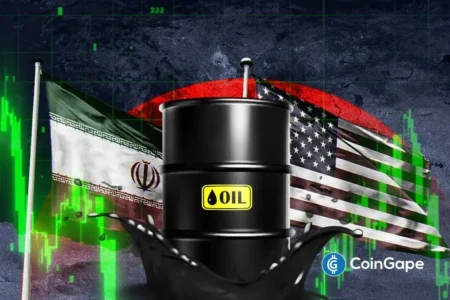
As the conflict intensifies, the impact extends beyond diplomatic corridors; it is altering market dynamics, particularly oil prices. Recently, Iranian parliament speaker Mohammad Bagher Ghalibaf hinted at the potential closure of the Bab el-Mandeb Strait as part of Iran’s strategic challenges for the U.S. This threat poses significant ramifications for global oil supply lines, as this Strait is pivotal for shipping, accounting for 6% of global oil traffic. The crude oil prices have already surged above $111, reflecting market anxieties over the state of U.S.-Iran relations.
The Crypto Market in Flux
While all eyes are on geopolitical tensions, the cryptocurrency market is also exhibiting signs of struggle amid the ongoing conflict. Bitcoin prices have experienced fluctuations, recently climbing above $67,000. Traders appear wary of the conflict prolonging, which could further impact market stability. Currently, the likelihood of a ceasefire remains minimal, with only a 35% chance projected by the end of May. The crypto market is reacting to these uncertain developments, which could drive prices down if the geopolitical landscape deteriorates.
President Trump’s Ultimatum and Its Implications
Trump’s ultimatum, demanding action before April 6, has set a clear timeline for negotiations that could dictate future U.S. actions. In his social media posts, Trump stressed that Iran has merely 48 hours to respond positively to U.S. demands or face escalating military action. The prospect of armed conflict adds a layer of urgency to the situation, especially as it relates to U.S. interests in the Strait of Hormuz. This critical shipping channel is another focal point where U.S. and Iranian interests intersect, amplifying the stakes involved for both nations.
Conclusion: The Path Ahead
As the U.S.-Iran war continues into another critical week, both sides grapple with their positions amid threats and ultimatums. The interplay between military posturing and economic impact will be crucial in guiding the next steps in this fraught relationship. As Iran pushes for a definitive and just resolution to the conflict, the pressure from the U.S. government is unmistakable. Observers remain cautiously optimistic but aware that the situation could shift dramatically based on upcoming negotiations or military escalations. The world watches closely, mindful of both the humanitarian implications and the global economic fallout that could ensue.