



FDIC’s Groundbreaking Stablecoin Regulation Proposal: What You Need to Know
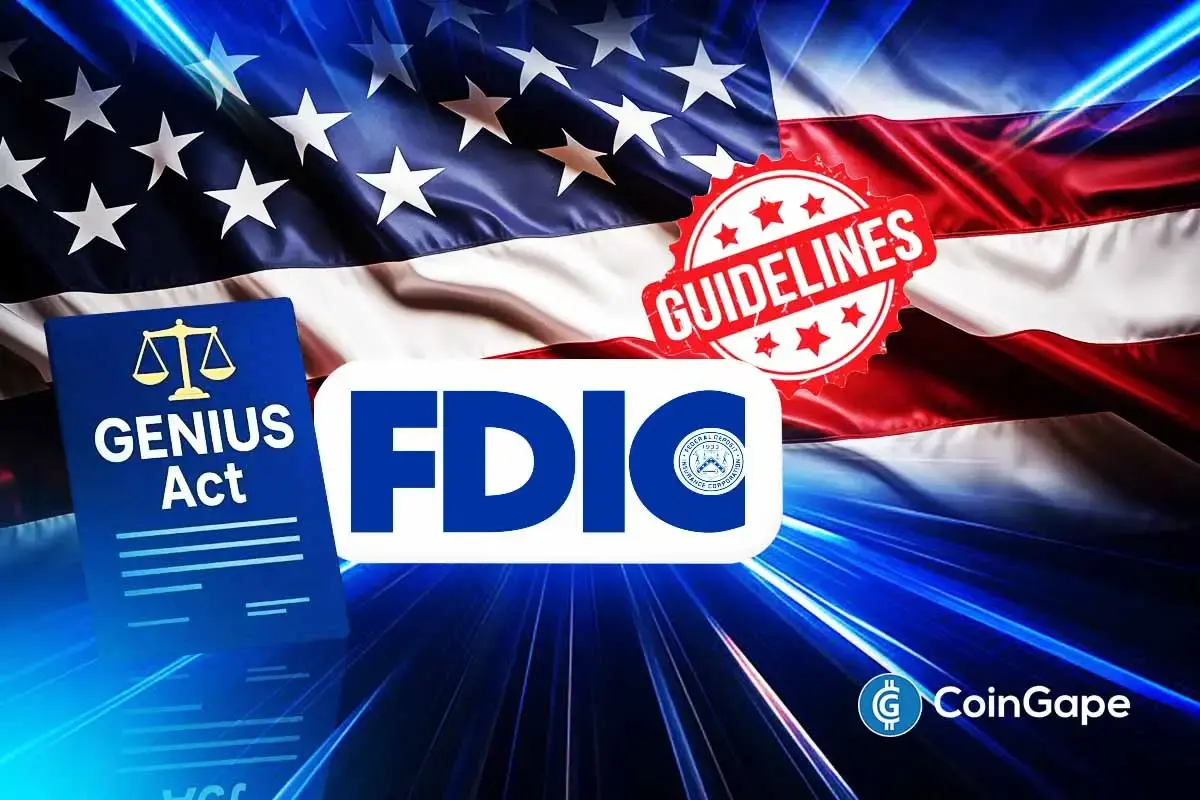
The U.S. Federal Deposit Insurance Corporation (FDIC) is making strides toward establishing a regulatory framework for stablecoin issuers. Acting Chairman Travis Hill announced plans to release a draft proposal detailing how these companies can apply for federal oversight under the recently enacted GENIUS Act. This anticipated release is crucial, as it marks a pivotal moment in the evolving landscape of digital assets. Set to be unveiled before the end of the month, the guidelines aim to clarify federal supervision and ensure a robust governance structure for the growing stablecoin market.
Regulatory Landscape for Stablecoins
Under the newly passed GENIUS Act, which stands for Guiding and Establishing National Innovation for U.S. stablecoins, a structured federal supervisory framework is set to begin. This legislation offers a well-defined pathway for stablecoin issuers to comply with federal regulations. The FDIC’s proposal will be submitted directly to the House Financial Services Committee, signaling the beginning of a comprehensive regulatory approach to oversee the stablecoin industry. According to Hill, the FDIC is focused on determining the qualifications for firms seeking federal supervision and the evaluation criteria for meeting their obligations under the Act.
Timeline for Implementation
The FDIC plans to roll out the proposed rule in stages, with public comments being solicited for a few months after its release. This approach provides stakeholders, including issuers and consumers, an opportunity to share their insights and opinions on the draft guidance. The FDIC hopes to incorporate valuable feedback into the final rule, ensuring that the final regulations are both effective and practical. Furthermore, Hill indicated that a separate set of rules concerning financial standards—including capital, liquidity, and reserve management—would be introduced early next year, laying the groundwork for a more comprehensive regulatory system.
Multi-Agency Collaboration
The GENIUS Act requires cooperation among various federal and state agencies, which is essential for an effective regulatory framework. Already, the U.S. Treasury has begun its consultation process, actively inviting public comments on best practices for stablecoin oversight. Such multi-agency dialogues are vital for establishing harmonized regulations that can adapt to the fast-evolving digital asset landscape. Agencies like the Federal Reserve and credit union oversight bodies will also engage in discussions regarding digital asset policymaking in the upcoming months, ensuring that all facets of the financial ecosystem are considered.
Expanding Beyond Stablecoins
In addition to this stablecoin oversight framework, the FDIC is also developing separate guidelines focused on tokenized deposits. This initiative is a response to recommendations made by the President’s Working Group on Digital Asset Markets earlier this year. The need for clarity on how tokenized banking products should be supervised was emphasized, pointing to the urgency of establishing a well-defined regulatory environment for these digital innovations.
Ongoing Developments in Stablecoin Regulation
As part of the broader discussion on digital assets, Federal Reserve Vice Chair for Supervision Michelle Bowman highlighted that new capital and diversification regulations for stablecoin issuers are also in the works. This aligns with the GENIUS Act’s call for robust financial safeguards in the stablecoin space. Furthermore, the Commodity Futures Trading Commission (CFTC) has initiated a program allowing for tokenized collateral, including stablecoins, to be utilized within U.S. derivatives markets. This move reflects the growing acceptance and integration of stablecoins into mainstream financial markets.
Conclusion
The upcoming FDIC proposal represents a significant leap toward establishing a regulatory framework for stablecoin issuers in the U.S. With the draft rules set for publication soon, stakeholders are eager to engage in this vital conversation. The multi-faceted approach, involving collaboration between federal and state agencies, is crucial for creating effective regulations that ensure compliance while fostering innovation in the digital asset landscape. As we move forward, the integration of stablecoins and tokenized banking products into the financial ecosystem is poised to reshape how we understand and interact with digital currencies.