



Ceasefire Unrest: U.S.-Iran Relations, Strait of Hormuz Disputes, and Market Implications
Recent developments in U.S.-Iran relations have seen a precarious ceasefire agreement emerge, projected by Elon Musk’s Grok AI to have a 65% chance of enduring over the next two weeks. However, the long-term prospects for peace remain bleak, with only a 20% likelihood that the ceasefire will result in a lasting peace agreement. As negotiations commence in Islamabad, the dynamics of this fragile situation are influenced by various geopolitical factors, particularly concerning the vital Strait of Hormuz.
Pressure on Ceasefire Stability: The Strait of Hormuz
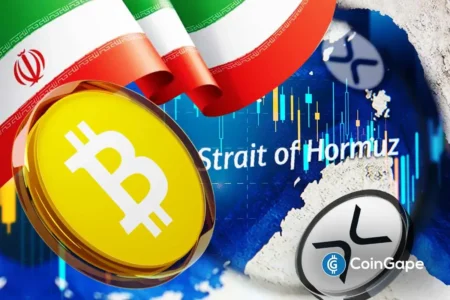
Following the ceasefire announcement, Iranian state media reported restrictions in the Strait of Hormuz, a critical maritime passage for global oil shipping. Iranian officials warned that unlicensed vessels may face military repercussions as they seek to solidify their control over this strategic route. This escalation came on the heels of an Israeli attack in Lebanon, further heightening tensions in the region. As a result, global oil markets reacted sharply, with U.S. West Texas Intermediate crude jumping over 6% to approximately $100.27 per barrel, while Brent crude also saw an uptick of nearly 4%, reaching $98.26 per barrel.
The actions taken by Iran signal a considerable shift in its maritime strategy, particularly given that the Strait of Hormuz is a gateway through which about one-fifth of the world’s oil passes. The implications of this maneuver could resonate throughout global energy markets, increasing concerns about supply shortages and price volatility as relations between the U.S. and Iran remain fraught with distrust.
Disputes Over Ceasefire Terms: Rising Tensions
While negotiating peace is crucial, both sides are grappling with disagreements over the terms of the ceasefire. Iran’s parliamentary speaker, Mohammad Bagher Ghalibaf, accused the United States of violating the agreement by citing reports of Israeli military actions and allegations of a U.S. drone incursion into Iranian airspace. He also highlighted restrictions on uranium enrichment as breaches of trust and grounds for Iran’s skepticism towards U.S. intentions.
These accusations put a spotlight on the deep-seated historical distrust that exists between the two nations. Ghalibaf’s statements came shortly after U.S. President Donald Trump acknowledged Iran’s ceasefire proposal as a potential framework for negotiations. In a rebuttal, U.S. Vice President JD Vance clarified that the ceasefire’s specifics do not encompass developments in Lebanon and reiterated that Iran is not authorized to continue its uranium enrichment activities.
Diplomatic Efforts Amidst Market Reactions
Despite escalating tensions and disputes, diplomatic efforts are still underway. Pakistan’s Ambassador to the U.S., Rizwan Saeed Sheikh, reported that a collaborative international initiative played a significant role in securing the ceasefire and facilitating talks. A coalition of nations, including Saudi Arabia, Türkiye, Egypt, Qatar, and China, contributed to creating a conducive atmosphere for negotiation. Sheikh pointed out Pakistan’s mediating role and emphasized the importance of privacy in these discussions for effective decision-making.
However, as these diplomatic overtures unfold, financial markets remain jittery, displaying mixed responses. The cryptocurrency market, for instance, has recorded a stagnation in market capitalization at around $2.42 trillion, indicating a cautious stance from investors regarding geopolitical developments.
Market Implications: Oil and Beyond
The dynamics surrounding the ceasefire and related geopolitical events are profoundly influencing global markets, particularly oil prices. With the potential for unrest in the Strait of Hormuz, traders are keenly observing the situation and speculating on possible supply disruptions. Oil prices have exhibited volatility in response to these developments, which may impact various economic sectors reliant on stable energy prices.
In addition to oil, equities and commodities markets are reacting to these headlines, further underscoring the interconnectedness of global finance with geopolitical tensions. Investors are weighing their strategies based on a runway of potential outcomes, from renewed conflict to a breakthrough in peace negotiations.
Conclusion: A Fragile Path Forward
In summary, the ceasefire between the United States and Iran represents a fragile, yet significant step toward diplomatic resolution amidst a backdrop of mounting tensions. As parties engage in high-stakes negotiations in Islamabad, the implications for the Strait of Hormuz and global oil markets may become even more pronounced. Amidst disputes over ceasefire terms and accusations of violations, only time will tell if this period of tension can give way to a lasting peace agreement.
Looking ahead, stakeholders, from policymakers to investors, must remain vigilant as they navigate this uncertain landscape. The evolving dynamics of U.S.-Iran relations could serve as a bellwether for broader geopolitical stability, steering global markets and energy supplies for years to come. As negotiations unfold, the world watches closely, hopeful for a resolution that fosters regional peace and stability.