



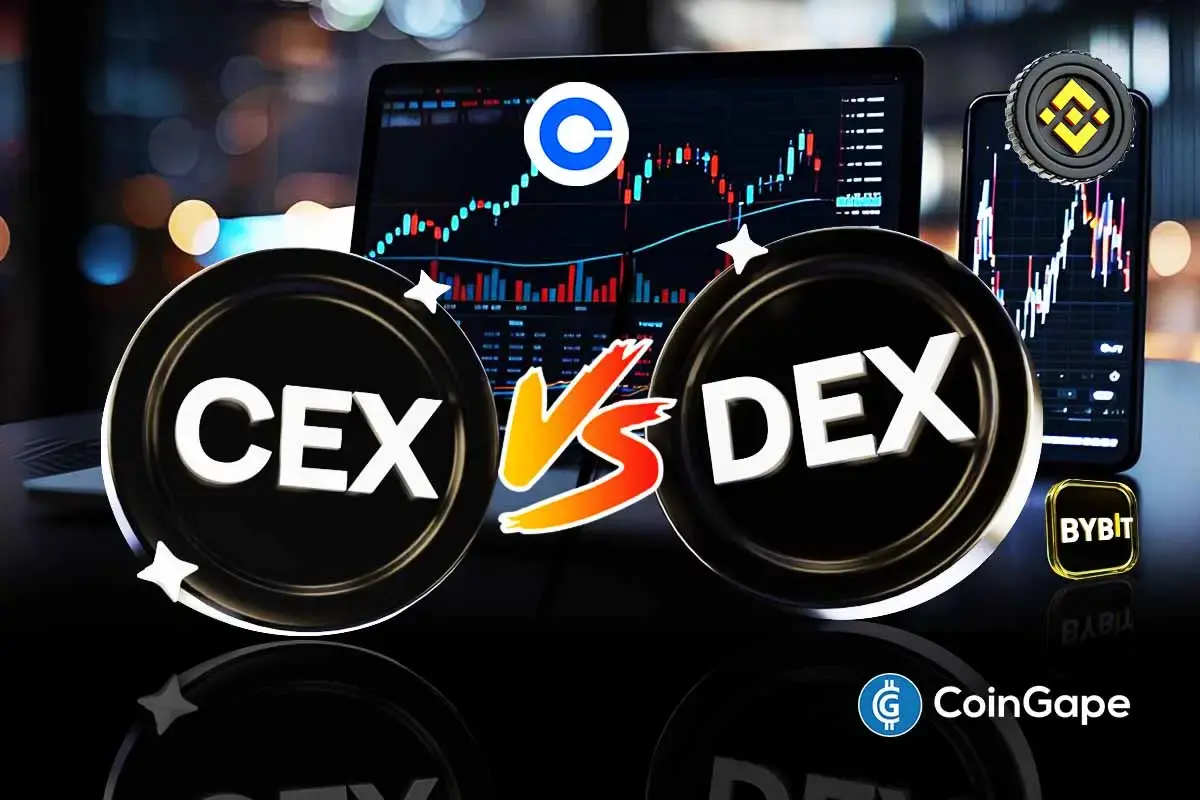
Understanding Cryptocurrency Futures Trading: DEX vs. CEX
Cryptocurrency trading has evolved into a complex landscape, where traders have various options, notably futures trading. Futures trading involves buying and selling cryptocurrencies at predetermined future dates. Both Centralized Exchanges (CEX) and Decentralized Exchanges (DEX) provide platforms for futures trading, each with its unique advantages and limitations. Understanding how these platforms function and comparing their features is vital for traders looking to optimize their strategies.
How DEX Supports Futures Trading
Decentralized exchanges (DEX) have carved out a niche in futures trading, primarily through perpetual contracts. Utilizing smart contracts, DEX platforms automate trading processes, manage collateral, and handle liquidations without a central authority. This decentralization enhances security and promotes user autonomy, but it’s important to acknowledge that traders bear sole responsibility for their crypto wallet security. Without a governing body, DEX ensures anonymity and offers fewer restrictions, ideally suited for experienced traders interested in maximizing control over their investments.
How CEX Supports Futures Trading
Alternatively, Centralized Exchanges (CEX) operate in a regulated environment that mirrors traditional financial systems. Acting as trusted intermediaries, CEX manage off-chain trades and provide a user-friendly interface for buying and selling cryptocurrencies. These platforms often come with benefits such as high liquidity and the option for high leverage, which can significantly amplify potential gains. While centralized platforms offer certain guarantees, such as customer support and fiat on-ramps, they also involve risks such as fund freezing and susceptibility to hacks, making them more suitable for novice traders.
Key Differences Between DEX and CEX
When comparing DEX and CEX, several essential factors set them apart:
- Operations: DEX platforms operate on a decentralized model, while CEX platforms are centralized and regulated.
- Trading Mechanism: DEX facilitates peer-to-peer trading, whereas CEX manages buy and sell orders through the exchange.
- Asset Control: DEX provides a non-custodial solution, giving users control over their private keys, while CEX is custodial, holding user assets on their behalf.
- Speed: On-chain transactions on DEX can be variable, while off-chain trades on CEX are typically much faster.
- Regulatory Framework: DEX typically operates outside regulatory oversight, while CEX is subject to various regulations.
- Fees: DEX usually offers lower fees compared to the often higher fees of CEX.
- Privacy: DEX allows for anonymous trading without KYC requirements, while CEX requires identity verification.
Safety: DEX vs. CEX
The safety of funds in either type of exchange is a critical consideration for traders. DEX often appeals to those valuing privacy and complete control, as there are no central authorities that can freeze assets. However, traders must navigate smart contract vulnerabilities themselves. Conversely, while CEX platforms offer customer support and a more familiar trading environment, they have been targets for hacking incidents, and their centralized nature presents risks of mismanagement. Understanding these safety concerns allows traders to align their preferences with the appropriate trading platform.
CLOB vs. vAMM: How Orders Reach the Market
The mechanisms through which orders are processed also differ. Centralized exchanges typically employ the Central Limit Order Book (CLOB), a well-established mechanism reminiscent of traditional markets. Traders submit orders based on price and quantity, and the CLOB matches buy and sell orders through price and time priority.
In contrast, decentralized exchanges utilize Virtual Automated Market Makers (vAMM) for trade execution, allowing users to engage with smart contracts directly. This method eliminates the need for specific price limits, with algorithms governing price discovery and trading dynamics. The liquidity in vAMM also operates differently by utilizing virtual liquidity pools, providing a unique approach to order fulfillment.
Assessing Liquidity and Safety
Liquidity is another significant aspect to consider. Exchanges source liquidity from various market participants, including traders and institutions. During periods of high volatility, liquidity can dry up, resulting in wider spreads and slower execution times. Centralized market makers may withdraw from the market to mitigate risk amid panic selling, leading to a challenging trading environment.
When selecting a trading platform, users must weigh the benefits of counterparty trust against the integrity of code. Centralized exchanges rely on legal frameworks and reputational trust, but they can also be exposed to fraud. On the other hand, decentralized platforms prioritize cryptographic integrity, reducing dependencies on human oversight, but may be susceptible to technical vulnerabilities.
Conclusion
Navigating the landscape of cryptocurrency futures trading entails understanding the unique features, risks, and benefits offered by both DEX and CEX. Traders must evaluate their preferences—whether prioritizing regulation and support or seeking autonomy and anonymity—when selecting an exchange. The choice between centralized and decentralized trading ultimately rests on individual trader requirements and risk tolerance. As the crypto world continues to mature, being informed about these dynamics will allow traders to make better investment decisions and align their strategies accordingly.