


Telegram CEO Pavel Durov Accuses Apple of Censorship Amid VPN Removals in Russia
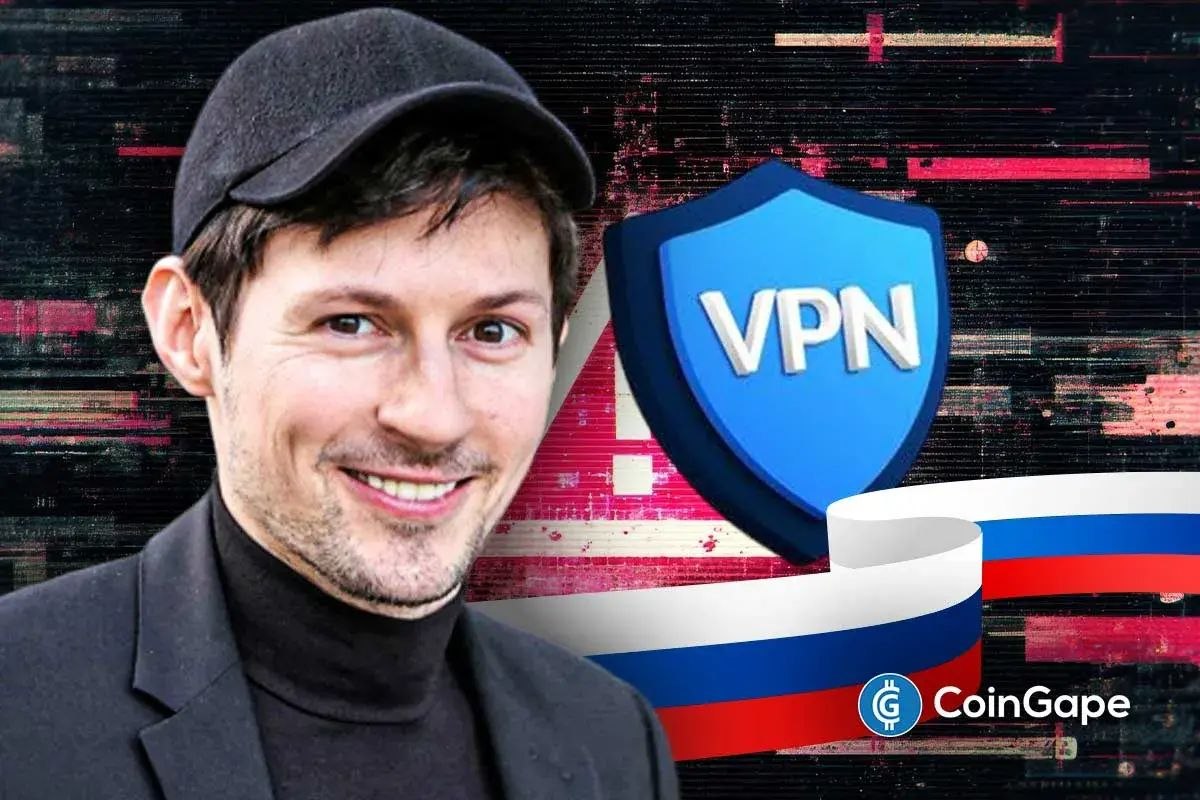
In a recent controversy, Telegram CEO Pavel Durov has publicly criticized Apple for removing several VPN and proxy applications from the Russian App Store. This move follows increased disruptions to Telegram access in Russia, raising questions about censorship and the implications for digital privacy. Reports indicate that among the removed applications are Streisand, V2Box, v2RayTun, and Happ Proxy Utility—tools that assist users in bypassing censorship imposed by the Russian government.
Significance of VPNs in Circumventing Censorship
The timing of Apple’s actions is particularly notable, as they came shortly after numerous Telegram users reported widespread connectivity issues. By eliminating these VPN applications, Apple appears to align its policies more closely with Russian governmental objectives, which are aimed at restricting access to independent communication platforms. Durov’s statement asserts that such prohibitions serve to manipulate public access towards state-controlled communication channels, effectively constraining digital freedom.
Durov’s Response and Accusations Against Apple
In a public tweet, Durov condemned Apple’s actions, asserting that banning these VPN apps is detrimental to user autonomy. He underscored the notion that these moves are not mere regulatory compliance but rather an infringement on citizens’ digital rights. The implications of Apple’s decisions have raised alarms not just for users in Russia, but potentially for internet freedom worldwide. Durov’s strong criticism spotlights the fragile balance between corporate compliance and civic liberties.
Russia’s Communications Agency’s Role
Compounding the issue, Russia’s communication regulator, Roskomnadzor, confirmed its ongoing efforts to impose stricter controls over Telegram. Officials have claimed that their measures are in place to protect citizen data and comply with national laws, yet their accusation that Telegram does not safeguard personal information is vehemently denied by Durov. He highlights that such restrictions could potentially enable state surveillance and calls out alternatives, such as the MAX messaging app, which he claims have inbuilt surveillance features due to government support.
Historical Context of VPN Removals
This is not the first time Apple has targeted VPN applications in Russia; reports indicate that at least 60 VPN apps were removed in 2024 alone. This larger trend of enforcing local laws to control VPN usage is part of a systematic approach to regulate the internet. Developers of the removed applications have reported receiving notices from Apple citing compliance with local laws, effectively cutting them off from updates and security patches. This practice raises vital concerns about the role of tech giants in the digital landscape, particularly in authoritarian contexts.
Growing Demand for VPN Services
As connectivity problems persist, the demand for VPN services in Russia has surged. Mazay Banzaev, founder of Amnezia VPN, has observed a remarkable increase in new users, indicating that even with heightened restrictions, there are still pathways to access blocked content. However, he warns that law enforcement tactics are evolving, causing significant challenges for users seeking online anonymity. This scenario not only illustrates a local crisis but also reflects a global tightening of digital policies.
Broader Implications in Global Policy
The friction between companies like Apple and regional governments is not isolated to Russia; similar patterns of regulation can be seen in countries like Canada and the UK, where legislative measures are being introduced to control digital transactions, including cryptocurrencies used in political campaigning. In the UK, Prime Minister Keir Starmer’s endorsement of restrictions on crypto donations reflects a growing scrutiny over financial transparency and the control mechanisms employed by governments. As these countries implement stricter regulations, the precedent set by Apple’s actions raises important discussions on the future of digital freedom and government oversight.
In conclusion, Durov’s allegations against Apple reveal a complex interplay between technology companies and governmental power in ensuring or undermining digital freedoms. With rising global tensions surrounding internet privacy, the situation in Russia serves as a critical example of how the actions of one corporation can resonate far beyond national borders, affecting the fundamental rights of users worldwide.