



The Impact of Trump’s Trade Policy on the Crypto Market: An Analysis
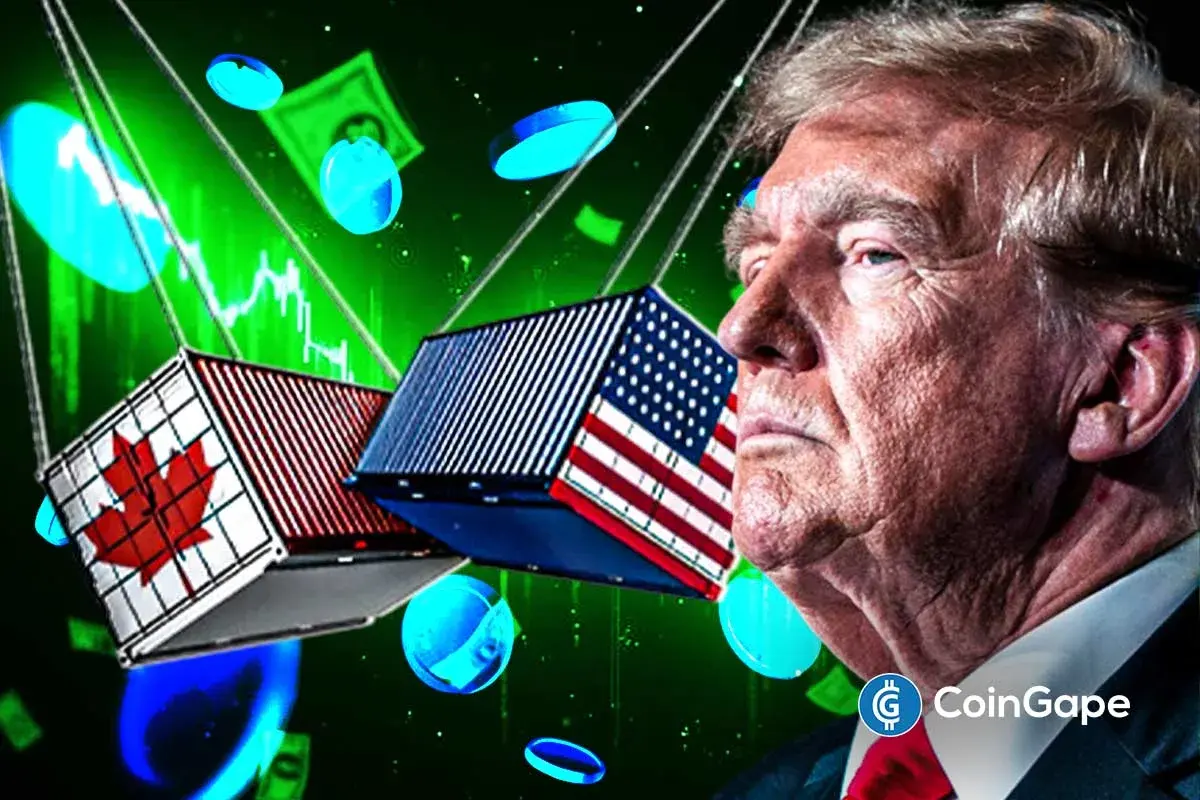
The crypto market is currently experiencing heightened volatility following a significant announcement from U.S. President Donald Trump regarding trade negotiations with Canada. In a dramatic escalation of tensions, President Trump declared the termination of all trade discussions with Canada just months before a critical review of the North American trade pact. This decisive action has stirred not only trade discussions but also has implications for the financial landscape, particularly cryptocurrencies.
Overview of Trade Termination
The abrupt termination of trade talks comes after President Trump accused Canada of running a "fraudulent" advertisement featuring former President Ronald Reagan, who warned against tariffs in a 1987 recording. In a post on Truth Social, Trump labeled Canada’s actions as "egregious" and asserted that they justified suspending negotiations entirely. He emphasized the importance of tariffs to national security and the U.S. economy, stating, “ALL TRADE NEGOTIATIONS WITH CANADA ARE HEREBY TERMINATED.” This statement is particularly disconcerting as it follows months of increasing tariffs on Canadian exports, some of which have reached double-digit rates.
Passing Negotiation and Escalation
It’s important to contextualize this decision within the broader framework of U.S.–Canada relations. Just weeks before this announcement, Canada attempted to ease tensions by lifting retaliatory tariffs on U.S. goods. The Ontario government even launched a $53.5 million advertising campaign aimed at making Americans aware of the consequences of high tariffs, a move that has now backfired in light of Trump’s reaction. The ad, aired on major U.S. networks, was designed to frame tariffs as a detrimental force against trade, but it sparked a confrontation instead.
Trump Tariffs Beyond Canada
The termination of trade talks with Canada is not an isolated incident; it fits into a larger pattern of aggressive economic policies from the Trump administration, including tariffs imposed on various countries, notably China and Mexico. In August, the U.S. announced tariffs ranging from 10% to 50% on more than 60 countries. Such aggressive tariffs have a significant impact not only on trade but also on market sentiment, leading to increased volatility across financial sectors, including cryptocurrencies.
Prospects for China and Market Relief
Amidst these challenging developments, President Trump confirmed a meeting with China’s President Xi Jinping later this month, sparking speculation about a potential resolution to ongoing trade disputes. This summit, which will mark the first in-person meeting between the leaders since Trump’s return to office, is being viewed as a critical opportunity for a diplomatic breakthrough. Market analysts suggest that positive outcomes from this summit could provide temporary relief for risk assets, including cryptocurrencies that typically respond to macroeconomic changes.
Future of Crypto and Economic Policy
As the crypto market braces for further volatility, the interconnectedness of traditional trade negotiations and digital asset markets becomes increasingly evident. The ongoing tensions between major economies are likely to influence investor sentiment and market conditions for cryptocurrencies. Analysts predict that if a preliminary agreement on tariff issues between the U.S. and China is reached by November 10, it could serve as a catalyst for a stabilizing effect in the markets, including cryptocurrencies.
Conclusion
In conclusion, the recent termination of trade talks with Canada by President Trump not only accentuates the complexities of U.S. trade policy but also has ramifications for the crypto market amid growing volatility. As trade relations continue to evolve and impact the broader economic landscape, traders and investors in the cryptocurrency space must remain vigilant. The intersection of geopolitics and financial markets illustrates how external factors can sway the dynamics of digital currencies, making it imperative for stakeholders to stay informed and adaptable in these uncertain times.