



Bitcoin Holds Steady Above $67,700 Amid U.S.-Iran War Developments
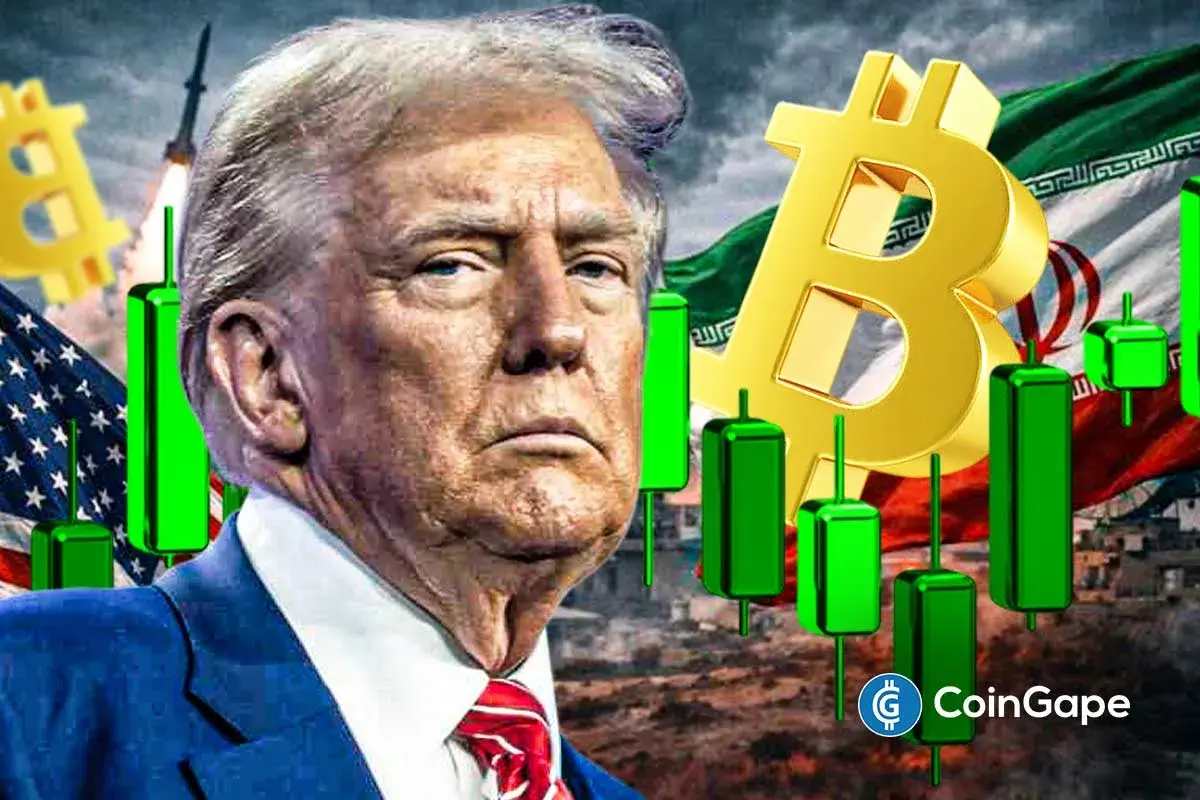
As Tuesday dawned with reports of oil prices slipping, Bitcoin has managed to hold a steady position above $67,700. Significant developments related to U.S.-Iran relations have sparked interest from investors and traders, indicating that changes in geopolitical landscapes can influence cryptocurrency markets. Notably, President Donald Trump has reportedly expressed a desire to seek a ceasefire in the ongoing U.S.-Iran conflict, even if the strategic Strait of Hormuz remains closed—a vital maritime route for global oil supply.
Willingness to Cease Hostilities
According to reports from The Wall Street Journal, President Trump has conveyed to his advisers that he aims to conclude the U.S.-Iran war within four to six weeks. His willingness to end the conflict, regardless of the situation with the Strait of Hormuz, raises pressing questions about international relations and economic stability in the region. Trump’s advisers believe that reopening the Strait could complicate the timeline for resolving hostilities, thereby prolonging the conflict.
White House Press Secretary Karoline Leavitt affirmed that reopening the Strait of Hormuz is not the focus of their current military objectives. Instead, the U.S. plans to continue efforts aimed at neutralizing Iran’s naval capabilities, missile stockpiles, and nuclear ambitions. By shifting the emphasis away from the Strait, the U.S. may be positioning itself for a more diplomatic approach to resolve ongoing tensions.
Economic Impact on Bitcoin and Oil Prices
As Trump pushes for a ceasefire, the repercussions can be felt across financial markets, particularly in cryptocurrencies and commodities like oil. Bitcoin briefly jumped above $68,000 before settling, currently holding above $67,700. This increase comes in the context of tumbling oil prices, further complicating the landscape for energy companies and investors alike. Such volatility in oil markets could lead to differing strategies among investors as they navigate the uncertainty created by geopolitical tensions.
Consequently, Bitcoin’s resilience in this volatile climate demonstrates its growing importance as an alternative asset, particularly amid fears around traditional markets. Investors are increasingly viewing Bitcoin as a hedge against geopolitical instability and inflation, which underscores the cryptocurrency’s maturation as a financial instrument.
Regional Tensions and U.S. Strategy
While Trump explores possibilities for a ceasefire, regional players like Saudi Arabia, the UAE, Kuwait, and Bahrain are pressing the U.S. to maintain its military stance against Iran. These Gulf states argue that Iran’s military capabilities remain a threat and that a more significant shift in Iranian leadership or conduct is required for a lasting peace. Thus, U.S. foreign policy may be caught in a tug-of-war between diplomatic desires and demands from Gulf allies for continued military pressure.
Iran, on the other hand, is using this tumultuous situation to assert its positions. Iranian leaders are insisting on the lifting of U.S. sanctions, compensation for wartime damages, and more control over strategic areas, including the Strait of Hormuz. The nation is reluctant to concede any ground in geopolitical negotiations, setting the stage for a complex and potentially protracted deliberation.
Bitcoin’s Stability Amid Market Volatility
Despite the backdrop of conflict and uncertainty, Bitcoin has demonstrated a relative strength, trading 0.30% higher in the last few hours. The cryptocurrency’s recent low and high trading points highlight a potential bullish trend that some analysts attribute to growing investor confidence in the asset class. However, it must be noted that some experts caution against predicting a crash, with price predictions below $50K creating anxiety in the crypto community.
The trading volume for Bitcoin has surged by 40%, indicating active market participation. Investors and traders are keenly awaiting forthcoming macroeconomic data, particularly the Non-Farm Payrolls report scheduled later this week, as this could further inform their trading decisions and expectations of market movements amid global uncertainties.
Conclusion: Navigating an Uncertain Future
As the situation surrounding U.S.-Iran relations continues to evolve, both traditional and cryptocurrency markets will need to navigate the unknowns that lay ahead. Bitcoin’s ability to maintain its value in this precarious environment illustrates its growing role as an investment vehicle, but it does not come without risks. With Gulf allies calling for ongoing U.S. military engagement and Iranian leadership firm on its demands, investors should remain vigilant and informed about how geopolitical tensions may impact their financial strategies moving forward.
In summary, the intersection of crypto assets like Bitcoin with geopolitical events underscores the complex relationship between international relations and market behavior. With the U.S.-Iran conflict at a critical juncture, market participants must align their strategies with global developments as they unfold.