



Fed Rate Cuts: Powell Hints at Potential Adjustments Amid Labor Market Uncertainty
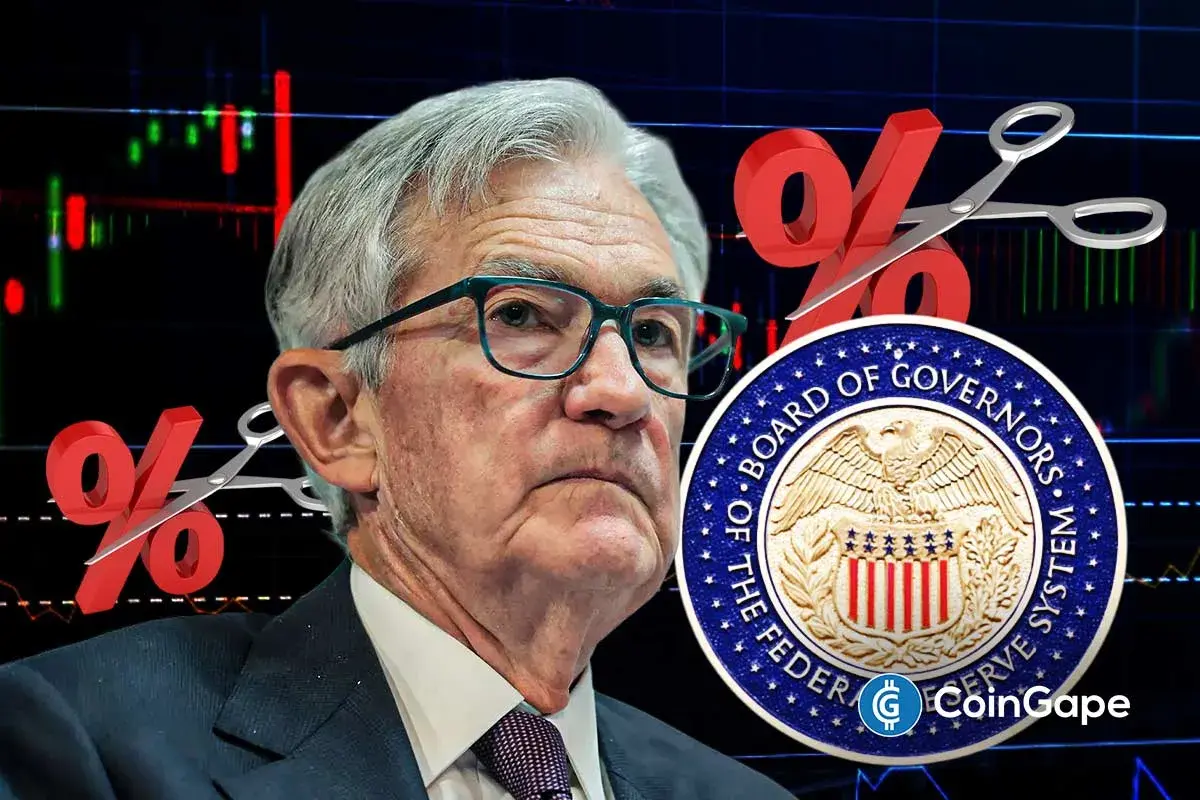
Federal Reserve Chair Jerome Powell recently hinted at the possibility of Fed rate cuts later this year, amidst ongoing risks in the labor market and heightened inflation concerns stemming from geopolitical tensions. While he acknowledges the risks associated with the ongoing conflict in Iran and its potential impact on oil prices and inflation, Powell’s remarks suggest that the central bank has the flexibility to adjust rates based on how these factors evolve.
Labor Market Risks and Inflation Pressures
During a recent speech at Harvard, Powell emphasized the dual risks facing the U.S. economy. He discussed the "downside risk" to the labor market, indicating that maintaining lower interest rates could be advisable in light of potential job market weakness. However, he also highlighted increasing risks of inflation, noting that keeping rates low could intensify inflationary pressures. Powell’s nuanced remarks portray the delicate balancing act that the Federal Reserve must navigate, with labor market stability and inflation control at the forefront of their decision-making.
Geopolitical Influences on Inflation
The ongoing war in Iran has notably contributed to rising oil prices, which complicates the inflation outlook. Powell acknowledged the uncertainty surrounding the war’s effects on inflation, stating that the situation remains fluid and difficult to predict. This uncertainty plays a crucial role in shaping investor sentiment and market expectations, leading some traders to revise their assumptions regarding Fed policy changes. As a result, traders have recently leaned toward the possibility of a rate hike, with inflation emerging as a growing concern.
Market Reactions and Rate Expectations
In light of Powell’s comments, market reactions have shifted, particularly in the cryptocurrency space. Bitcoin witnessed a notable surge, climbing to approximately $67,800. This uptick reflects a broader optimism among traders regarding the potential for a rate cut, especially if labor market conditions deteriorate further. However, contrasting views have emerged, with some market participants assessing a likelihood of rate hikes to combat inflation, given the current economic landscape.
Declining Odds for Rate Hikes
According to Polymarket data, the probability of a Fed rate hike has decreased slightly, from around 25% to 22%. Following Powell’s speech, many crypto traders have begun expecting at least one rate cut later this year. Market analysis reveals a 51% chance that the Federal Reserve will opt for a rate reduction during the October Federal Open Market Committee (FOMC) meeting, with a promising 64% likelihood of a cut by the December meeting. Such expectations indicate increased confidence among traders about a more accommodative monetary policy as the year unfolds.
Fed’s Diligent Monitoring
As the landscape continues to evolve, the Federal Reserve remains in a strong position to monitor these economic conditions. With a dominant probability of holding rates steady in upcoming FOMC meetings—evidenced by a 99.5% chance of keeping rates unchanged in April—investors are advised to stay informed. Current expectations suggest only a 2% chance that the FOMC will lower rates at that particular meeting, indicating the Fed’s cautious approach in navigating the uncertain terrain of inflation and labor market dynamics.
Conclusion: A Growth-Oriented Perspective
In conclusion, Jerome Powell’s comments reaffirm the Federal Reserve’s commitment to balancing labor market stability with inflation control as it evaluates potential rate cuts. With heightened uncertainty stemming from geopolitical events and fluctuating inflation rates, the Fed’s adaptive approach signifies that it remains poised to act in response to evolving economic conditions. For investors, this translates to a landscape marked by potential opportunities, particularly within the cryptocurrency market, as traders brace for possible shifts during the remaining months of this year. Overall, the Fed’s commitment to monitoring economic indicators ensures that decisions will be rooted in a growth-oriented perspective, ultimately benefiting both the labor market and broader financial stability.