



Arizona Charges Kalshi: A Landmark Case for Prediction Markets
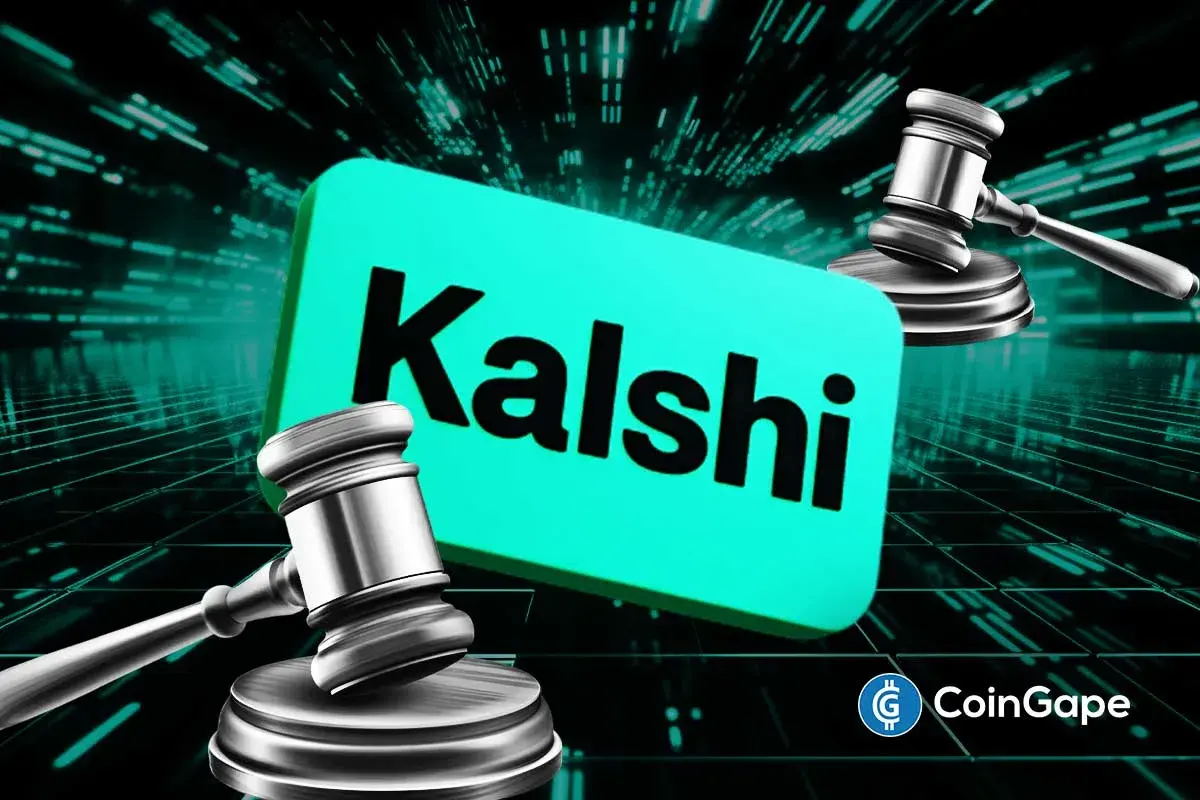
In a bold legal maneuver, Arizona has charged the prediction market platform Kalshi with operating an unlicensed gambling business. This move raises significant questions about the balance of state and federal law regarding prediction markets. The charges encompass 20 counts related to various forms of betting, including sports wagers and election betting, directly challenging the federal approvals that Kalshi has leveraged to expand its operations nationwide.
The Building of a Criminal Case Against Kalshi
Arizona’s Attorney General, Kristin Mayes, spearheaded a months-long investigation into Kalshi. Rather than relying on insider tips or confidential information, the Attorney General’s office utilized the Kalshi app itself. From December 2025 to March 2026, state prosecutors engaged in placing small bets—ranging from $1 on college basketball to $5 on NBA outcomes—quietly building a case against the platform. This hands-on approach underscores the state’s commitment to regulate what it perceives as illegal gambling activities.
Global Scrutiny on Prediction Markets
This legal pressure on Kalshi coincides with international developments; for instance, Argentina recently banned another prediction market platform, Polymarket, branding it as illegal gambling. The decision followed suspicious betting patterns from insiders who profited significantly from knowledge about an impending military strike. These events have heightened scrutiny on prediction markets worldwide, emphasizing the need for clear regulatory guidelines.
The Clash Between Federal and State Law
Kalshi’s business model heavily relies on a notable 2024 victory against the Commodity Futures Trading Commission (CFTC), which recognized its event contracts as legitimate financial instruments. This ruling granted prediction markets a federal regulatory scope, thereby enabling markets to thrive on diverse outcomes, including election results and sporting events. However, Arizona’s filing challenges the limits of this victory, arguing that federal approval does not supersede state gambling laws. Attorney General Mayes stated, "Kalshi may brand itself as a ‘prediction market,’ but it’s actually running an illegal gambling operation."
Legal Implications of Arizona’s Charges
Among the 20 counts against Kalshi, four carry a more severe classification: election wagering. In Arizona, such actions are categorized as Class 2 misdemeanors and pose a significant threat to electoral integrity. The charges include bets on candidates in prominent elections, such as JD Vance’s potential presidential run and the Arizona governorship’s outcome. By framing these actions within the context of electoral integrity, Arizona’s prosecutorial approach could have far-reaching implications beyond Kalshi, impacting the entire landscape of prediction markets in the U.S.
The Future of Prediction Markets Hangs in Balance
While the current misdemeanor charges are not overly punitive, their implications extend far beyond mere fines. The core legal issue at stake is whether federal approval can adequately shield companies like Kalshi from state-level regulations. Furthermore, Kalshi’s failure to register as a foreign LLC in Arizona highlights potential oversights in its rapid expansion strategy. If Arizona prevails, it could set a precedent for other states, allowing them to pursue similar criminal actions against prediction markets. Conversely, a win for Kalshi would establish a legal framework that could preempt state authority in regulating such platforms altogether.
Conclusion: What Lies Ahead for Kalshi and the Prediction Market Industry
As the legal battle unfolds in Arizona, all eyes will be on the trajectory of Kalshi and other prediction market platforms. Regardless of the outcome, this case will undoubtedly shape the future regulatory landscape for prediction markets in the United States. With conflicting interpretations of gambling laws at stake, the decision—whether it confirms federal authority or reinforces state regulations—will vitalize the ongoing discourse around the legitimacy and functionality of prediction markets in the contemporary betting environment. The implications for emerging platforms like Polymarket, and the entire industry, could be profound, steering the course of legalities in this innovative sector.