




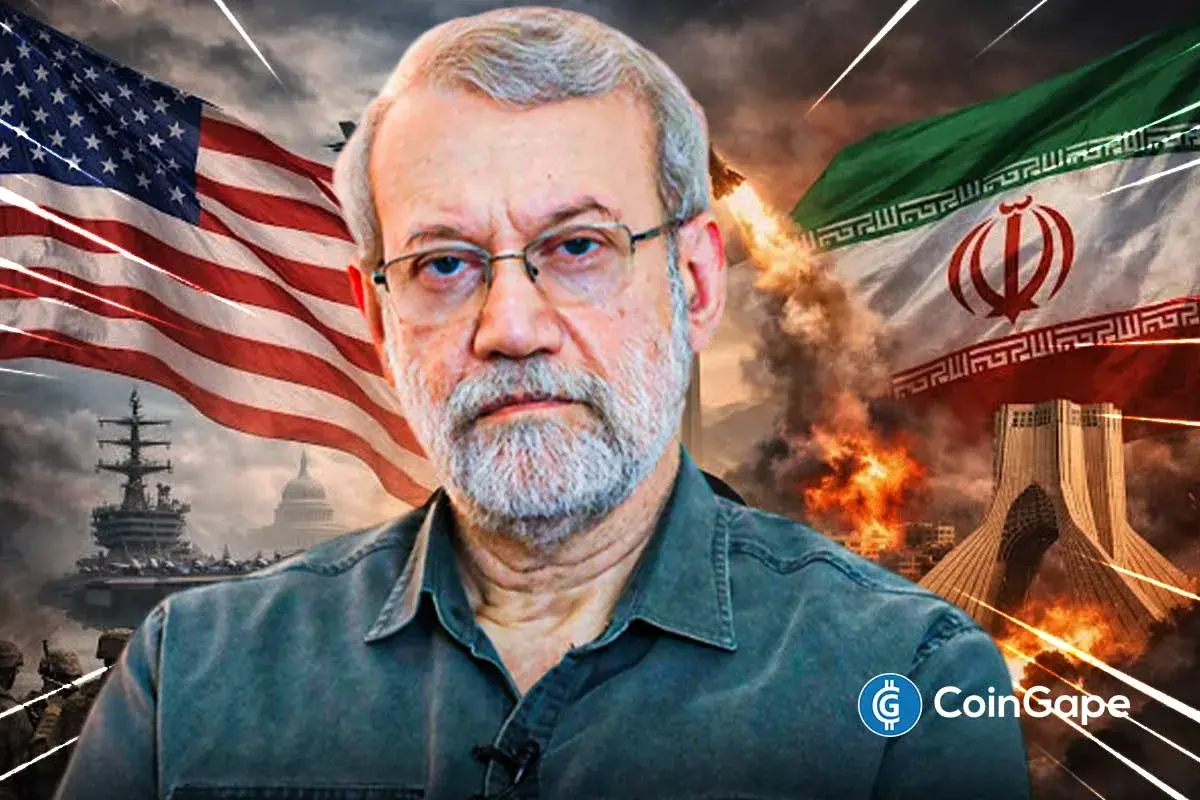
Escalating Tensions: The US-Iran Conflict After the Assassination of Ali Larijani
The recent assassination of Iranian Security Chief Ali Larijani in an Israeli airstrike has significantly intensified the ongoing US-Iran conflict. Following Larijani’s death, Tehran has launched a series of missile attacks, signaling a commitment to "decisive" retaliation against both Israel and its allies. As tensions soar across the Middle East, concerns are mounting regarding the potential for a more extensive and dangerous regional war.
A Turning Point in the US-Iran War
The assassination of Larijani represents a critical escalation in the US-Iran war, where both sides demonstrate an unwillingness to pursue peace. Iran’s military response has included missile strikes targeting Israeli positions, resulting in civilian casualties, including fatalities in Tel Aviv due to shrapnel injuries. The Iranian army chief, Amir Hatami, has asserted a firm stance, declaring that the nation’s reaction to the killing of its security chief will be both "decisive and regrettable," amplifying fears of further military conflicts in the region.
Iran’s Stability Amidst Leadership Losses
Despite the turbulence caused by Larijani’s assassination, Iran’s Foreign Minister Abbas Araghchi has sought to reassure both domestic and international observers of the country’s stability. Araghchi emphasized the resilience of the Iranian political system, arguing that the absence of a singular leadership figure does not undermine its strength. This perspective challenges the notion held by some observers—including former US President Donald Trump—that Iran is seeking engagement or negotiations with the US. The minister insisted, "The Islamic Republic of Iran has a strong political structure," which remains intact despite leadership changes or losses.
Oil Prices: Surprisingly Resilient
As the US-Iran war spirals into a new phase of conflict, oil prices have displayed surprising resilience, remaining relatively low despite the dramatic geopolitical events. Recent market activity reveals that oil prices have decreased by more than 3%, landing at approximately $92 per barrel. This decline is attributed to a lack of significant disruptions in global oil supply, particularly following the agreement between Iraq and Kurdish authorities to resume oil exports via Turkey’s Ceyhan port. The stability of supply chains in the region has thus contributed to the overall tempering of oil prices.
Strait of Hormuz: A Shipping Lifeline
The Strait of Hormuz, a crucial maritime passage for oil shipments, has remained operational, albeit under constant scrutiny. Recent reports indicate that Iran has sanctioned non-Iranian commercial vessels to traverse the strait, with several ships spotted moving through the waterway. Analysts suggest that while Western-affiliated vessels may steer clear of Iranian waters, ships from countries like China and India are likely to continue their maritime operations in the area. This ongoing shipping activity plays a key role in maintaining relative stability in global oil markets despite regional tensions.
US Eases Sanctions Amid Ongoing Conflict
The US has temporarily relaxed sanctions on Russian oil that is currently stranded at sea, aiming to alleviate some pressures within the global oil market. Analysts view this decision as a contributing factor to the recent slight decline in oil prices. However, despite these price fluctuations and short-term reliefs, the US-Iran conflict remains unresolved, and analysts predict that oil markets could experience high volatility as the situation evolves.
Looking Ahead: Uncertain Future
As the situation continues to develop, the implications of the heightened US-Iran tensions and the recent assassination of Ali Larijani are far-reaching. While the oil markets may be steady for now, concerns about a broader regional conflict persist. With both sides demonstrating readiness for escalation, the international community watches closely, fearing that this cycle of retaliation could spiral out of control. The combination of political maneuvers, military responses, and economic impacts means that the coming weeks will be critical in determining the trajectory of the US-Iran conflict and its broader effects on global stability.