



Title: The American Banking Association’s Call for Caution: Implications for Cryptocurrency Charters
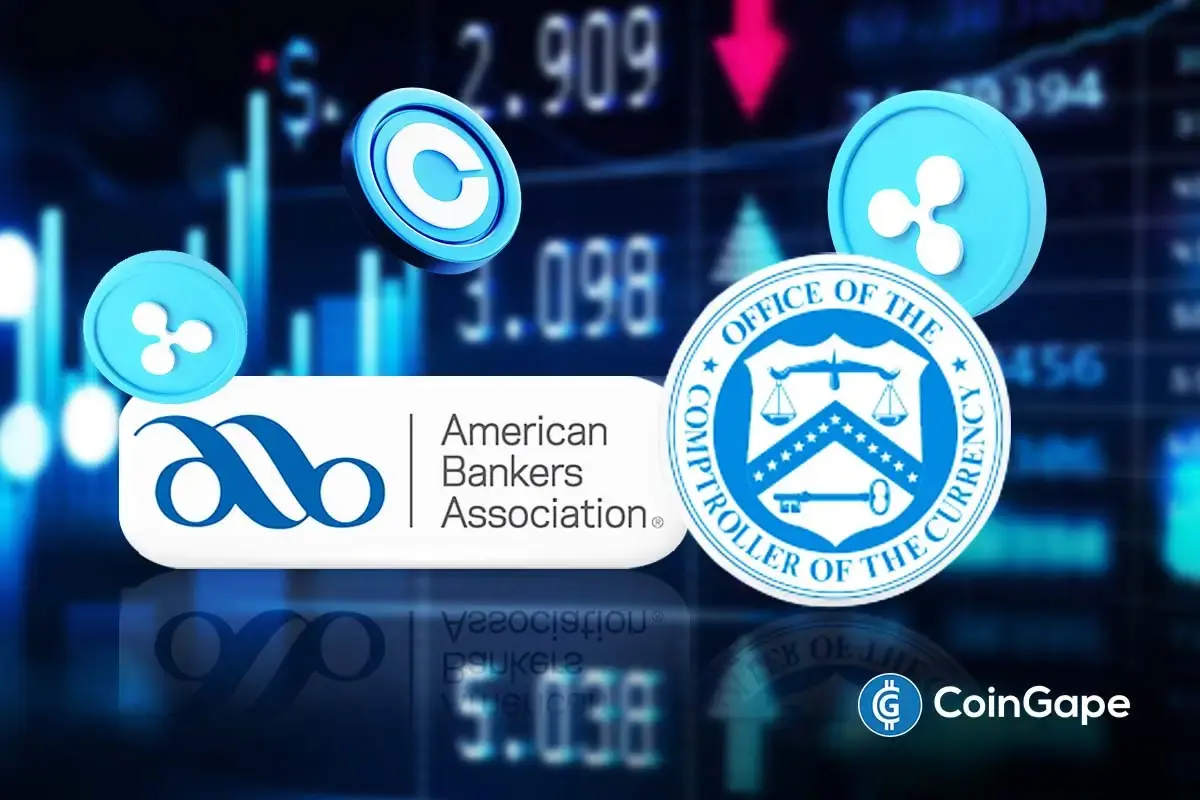
In a significant move that highlights the ongoing tension between traditional banking and the burgeoning cryptocurrency industry, the American Banking Association (ABA) has urged the Office of the Comptroller of the Currency (OCC) to halt the review of national bank charters for cryptocurrency firms. This includes well-known entities such as Ripple, Coinbase, and Circle. The ABA argues that the OCC should pause its efforts to evaluate these charter applications until Congress has finalized the regulatory frameworks that will govern the cryptocurrency landscape.
The ABA’s letter to the OCC emphasizes the need for a patient approach to the charter application process, urging the regulator not to adhere to traditional timelines. According to the ABA, the evolving nature of cryptocurrency regulation necessitates a thorough understanding of each applicant’s responsibilities before granting any charters. This perspective follows the ABA’s previous objections to Ripple’s application, citing potential systemic risks to the banking system. The push for caution reflects a broader concern within the financial community about how emerging technologies may disrupt existing financial norms.
The OCC’s recent actions to tie charter approvals to compliance with the GENIUS Act have further intensified the debate. The ABA contends that full implementation of this law remains years away, with multiple regulatory agencies still needing to establish their rules. In this context, the ABA urges the OCC to ensure it has adequate capacities to address any insolvency concerns related to charter applicants. This insistence on caution underscores the uncertainty surrounding the regulatory landscape for cryptocurrency and its potential implications for the broader banking sector.
As the regulatory discourse unfolds, several cryptocurrency firms find themselves in a precarious position. Ripple, which has long pursued a national bank charter, is currently facing scrutiny following the OCC’s conditional approval of its application. This development has contributed to anxiety within the sector and sparked further opposition from the ABA. The significance of obtaining a national bank charter is monumental for Ripple, as it would pave the way for enhanced legitimacy and operational capabilities within the traditional financial system.
In addition to Ripple, other notable firms such as Circle, BitGo, Paxos, Coinbase, and Nomura’s Laser Digital are navigating similar challenges. These organizations are also awaiting feedback on their charter applications. The ABA’s firm stance against the approval of these charters indicates a growing consensus among traditional financial institutions that view cryptocurrencies with caution. Recent letters from the ABA to lawmakers highlight concerns about how cryptocurrency firms may exploit regulatory gaps, particularly regarding the prohibition of earning interest through affiliated exchanges as stipulated by the GENIUS Act.
In conclusion, the ABA’s call for the OCC to slow down its review of cryptocurrency firm charters raises critical questions regarding the future of digital currencies in the U.S. financial system. As legislation continues to evolve and new rules are developed, the fate of companies like Ripple, Coinbase, and others hinges on the regulatory landscape. While cryptocurrency offers innovative opportunities, it also poses risks that necessitate careful deliberation by regulators, lawmakers, and the financial community at large. The ongoing dialogue between traditional banking and the cryptocurrency sector is likely to shape the financial environment for years to come, making it essential for all stakeholders to stay informed and engaged.