


The Changing Landscape of Cryptocurrency: A Shift from Speculation to Stability
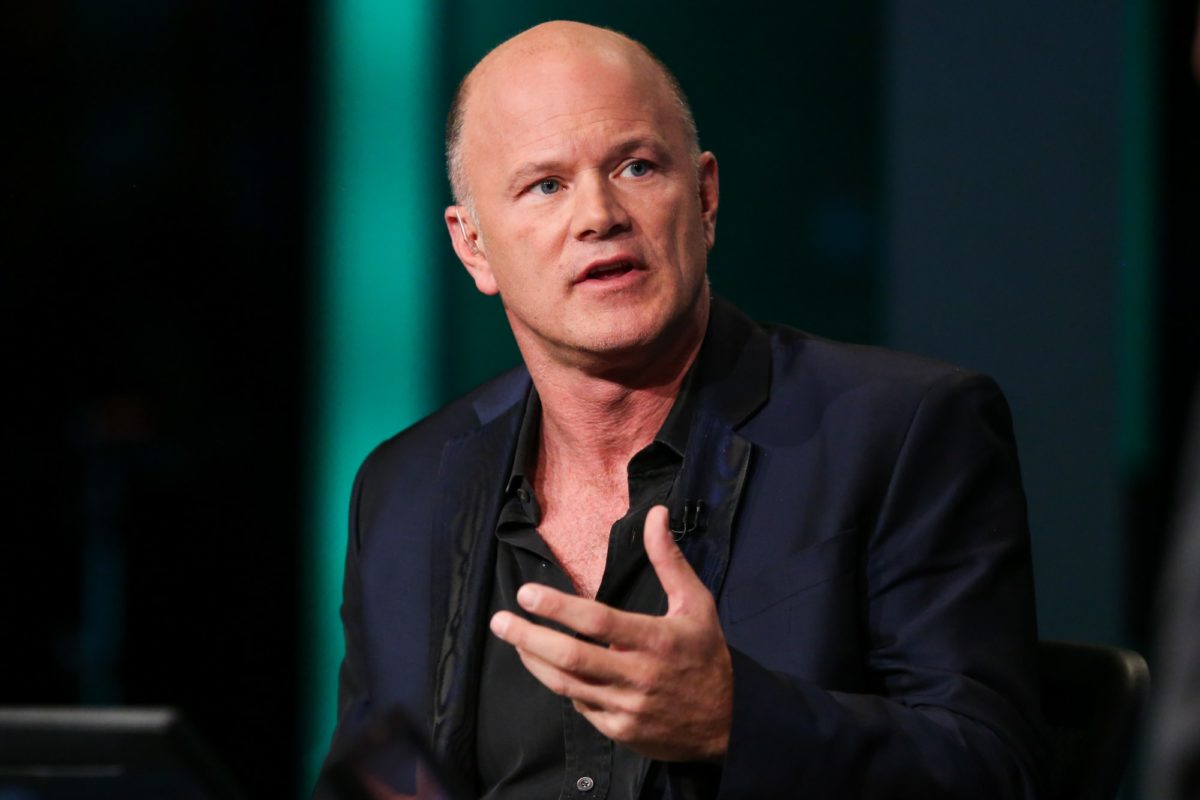
In recent statements, Mike Novogratz, CEO of Galaxy Digital, expressed a significant transformation in the cryptocurrency market, suggesting that the speculative phase may be coming to an end. Speaking at the CNBC Digital Finance Forum, Novogratz emphasized that the era characterized by rapid returns on crypto investments is fading. As the market matures, institutional investors are stepping in, focusing their attention on stable and practical uses of digital assets rather than merely chasing quick gains.
For years, speculation fueled the cryptocurrency boom, drawing in retail investors who hoped for dramatic returns. Novogratz indicates that this trend is evolving, with institutional players now dominating the landscape. Unlike traditional retail investors who often sought high-risk, high-reward opportunities, institutional investors tend to prioritize stability and utility in their investment choices. Moreover, Novogratz pointed out a notable decline in demand for speculative trading, recognizing a shift toward seeking consistent, lower-risk returns over outsized profits. This represents a significant turning point in the evolution of crypto, where the focus is pivoting toward real-world assets over mere tokens and speculative instruments.
The impact of institutional investment on cryptocurrency is profound. As traditional financial players increasingly enter the market, the focus is shifting from speculative trading to practical applications of cryptocurrencies. Institutions are seeking long-term investment strategies, which often translates to a preference for tokenized real-world assets, such as bonds and real estate. This evolution marks a departure from the chaotic, volatile trading characterized by the previous speculative era, paving the way for a more mature market where reliability supersedes rapid gains. Novogratz stresses that institutional participants are more inclined towards stability, exhibiting a keen interest in creating predictable growth models rather than chasing high-risk ventures.
Recent events like the collapse of FTX and substantial market liquidations in October 2025 further illustrate the shifting dynamics in the cryptocurrency market. The FTX incident fundamentally altered investor perceptions and confidence. Following the dramatic drop in Bitcoin prices—from a notable peak of $69,000 to a low of $15,700—many retail traders retreated from the marketplace. In addition to the fallout from FTX, the October liquidations, which saw over $19 billion wiped out in just 24 hours, underscored a growing bearish sentiment. Novogratz contends that these events signal a necessary reset in the cryptocurrency landscape, ushering in a new era dominated by institutional engagement, thereby fundamentally altering the market’s behavior.
Looking ahead, Novogratz envisions a burgeoning focus on tokenized real-world assets, which he believes represents the future of the cryptocurrency market. These assets, backed by tangible counterparts like bonds and real estate, offer a more stable and secure investment vehicle compared to their highly volatile cryptocurrency counterparts. As institutional interest grows, these tokenized assets are expected to enable safe, transparent transactions on blockchain technology, enhancing trust and fostering wider adoption in the financial sector. As the market matures, this focus on security and stability will likely attract more institutional capital, further solidifying the transformation that Novogratz foresees.
In summary, the cryptocurrency market is experiencing a pivotal shift from speculation towards substance, as articulated by Mike Novogratz. The days of retail investors seeking immense profits in volatile cryptocurrency markets are giving way to a new paradigm where institutional investors prioritize stability and practicality. The transformation in investment strategies highlights a new focus on real-world assets, signaling a maturing industry that is likely to evolve much further in the coming years. The potential for tokenized assets to thrive under this new regime offers promising avenues for growth, safety, and increased market reliability.