




U.S. Crypto Mining Stocks Plummet Amid Market Volatility: An Analysis
In recent days, U.S. crypto mining stocks have faced a significant downturn, highlighting the sensitive nature of the cryptocurrency market amidst broader economic uncertainties. This article explores the factors contributing to the drop in crypto mining stocks, the contrasting recovery in overall market capitalization, and the implications of recent economic developments.
The Decline of Crypto Mining Stocks
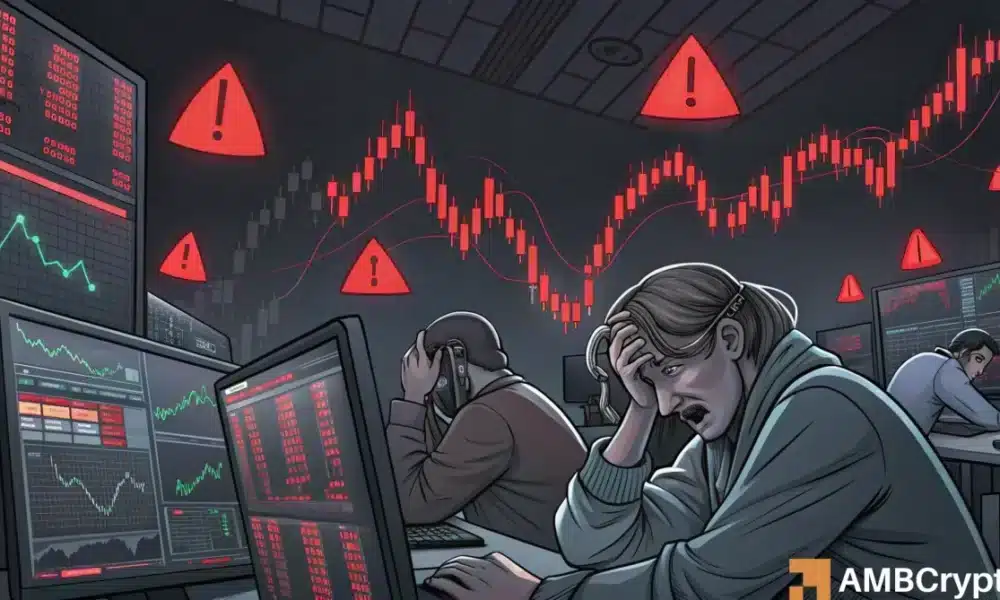
On May 28, U.S. crypto mining stocks like Riot Platforms (RIOT), CleanSpark (CLSK), and Marathon Digital Holdings (MARA) experienced notable declines, with drops of 8.32%, 7.61%, and 9.61%, respectively. Even established firms like Coinbase (COIN) witnessed a 4.55% dip. MicroStrategy (MSTR), known for its significant Bitcoin investments, continued its downward trajectory, largely due to ongoing legal issues. This decline showcases the volatility within the crypto sector, as investor sentiment can quickly turn in response to news and market dynamics.
Market Recovery and Capitalization Spike
Despite the troubling news for mining stocks, the overall cryptocurrency market delivered an unexpected rebound. In less than 24 hours, the global market capitalization surged to $3.56 trillion, marking a staggering 317.4% increase. This recovery appeared swift in light of earlier selling pressures that had driven Bitcoin prices below the crucial $110k threshold. Such fluctuations highlight the potential for rapid changes in the crypto market, indicating that even after sharp declines, recovery can be equally rapid.
Economic Factors Impacting the Market
Much of the instability can be traced back to recent announcements from the Federal Open Market Committee (FOMC). The minutes from the FOMC’s May 6-7 meeting raised concerns regarding the U.S. economy, noting potential challenges such as stubborn inflation and weak job growth. The Federal Reserve’s decision to maintain interest rates between 4.25% and 4.50%, in light of these challenges, contributed to market apprehension. Traders are now closely monitoring upcoming decisions, notably the next interest rate meeting scheduled for June 18, where many participants expect rates to remain unchanged.
Political Developments and Market Sentiment
Adding further unease to the market is the announcement by Trump Media regarding a $2.5 billion initiative to establish a Bitcoin treasury. While some investors view this as a positive step toward increased crypto adoption, others are skeptical about the political implications underlying such initiatives. This complex interplay of political motives and economic conditions has led to a rise in fear, uncertainty, and doubt (FUD) within the crypto space, further impacting investor sentiment and market stability.
The Role of Tariffs and Inflation Concerns
The return of a 25% tariff on the European Union starting June 1 has also reignited inflation concerns, dampening investor confidence just months after a temporary stabilization of trade issues. The reintroduction of such tariffs could exacerbate inflationary pressures, raising costs for consumers and businesses alike. This development has been pivotal in shaping the current market sentiment, contributing to the prevailing anxiety among traders and investors in the cryptocurrency landscape.
Conclusion: Navigating a Volatile Landscape
In summary, the recent plummet of U.S. crypto mining stocks amid overall market recovery underscores the complexities of the cryptocurrency sector. Factors such as economic policies, political developments, and inflation concerns create an intricate web of influences affecting market performance. Investors must navigate these elements carefully while keeping a watchful eye on upcoming events that could further shift market dynamics. As we look forward to the next interest rate decision and evolving political circumstances, the cryptocurrency market remains a battleground of uncertainty, characterized by both risks and opportunities.