



The Rise of Stablecoins: A New Backbone of Global Finance
In recent years, Bitcoin has dominated the cryptocurrency landscape, but a new trend is emerging: the rise of stablecoins. According to the Stablecoin Utility Report 2026 by BVNK, these digital assets are transitioning from mere trading tools to crucial components of everyday financial systems. With the stablecoin market surpassing $300 billion, they are becoming integral to global financial infrastructure. More so, the data reveals that individuals are increasingly relying on stablecoins for savings and income, with approximately one-third of savings and about 35% of gig workers’ earnings directed through them.
Stablecoins have transformed how people manage their finances, particularly in international business transactions. An impressive 75% of users believe that stablecoins have facilitated their capacity for conducting global payments. Interestingly, traditional financial institutions still hold significant sway over consumer confidence; in fact, 77% of users indicated they would prefer using a stablecoin wallet if offered by their bank or fintech provider. This indicates a gap in the adoption dialogue—stablecoins might be gaining traction but are still viewed through the lens of conventional finance.
Regulatory Framework and Its Impact
A notable factor driving the growth of stablecoins is the evolving regulatory landscape. In the United States, the GENIUS Act has set forth requirements for stablecoins to be fully backed by cash or Treasury assets, thereby enhancing their reliability as digital cash alternatives. This regulatory clarity has fostered the growth of stablecoins as an essential part of the constantly evolving digital economy. They are now employed for liquidity in Real-World Asset (RWA) tokenization and serve as a payment framework for innovative technologies such as AI-driven commerce. As Chris Harmse, co-founder of BVNK, aptly put it, stablecoins are more than just tools; they represent a new market for merchants by providing universal payment rails where local infrastructure falls short.
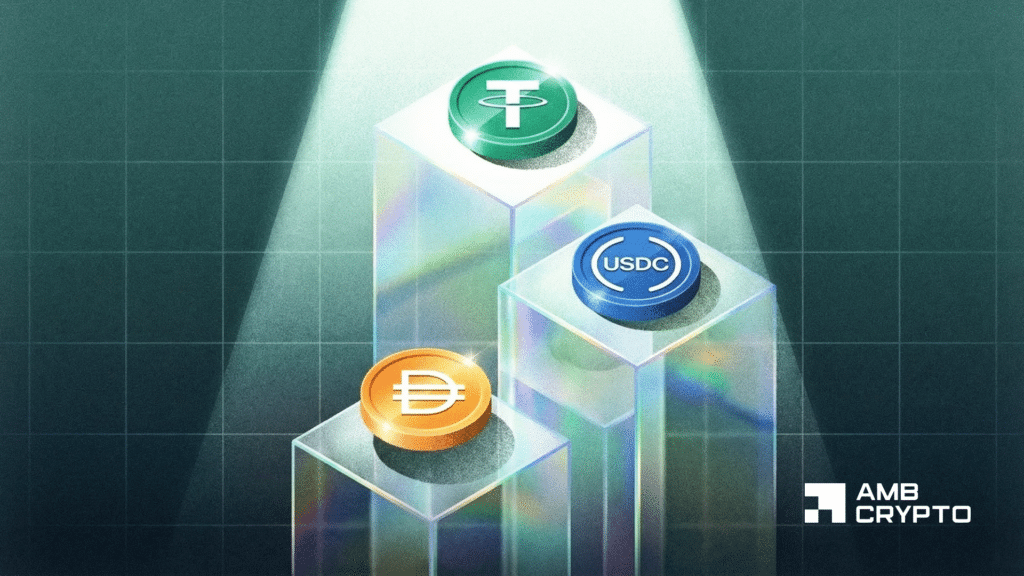
This regulatory clarity marks a significant shift in the prohibition of stablecoins, particularly evident in the divergent global usage patterns emerging between countries focusing on regulatory compliance and those aiming for utility. For instance, in nations with volatile currencies like Nigeria, Tether (USDT) has become a popular choice for dollar-based savings, with nearly 60% ownership. This trend serves to buffer users against local currency fluctuations. In contrast, in more regulated ecosystems like the U.S., Colombia, and South Africa, Circle’s USDC is gaining popularity, closely linked to the favorable regulatory environment cultivated by legislation such as the GENIUS Act.
The Shifting Preference for USDC and USDT
The landscape for stablecoin preferences continues to evolve. In less regulated markets, USDT remains the stablecoin of choice, primarily due to its accessibility and utility for those seeking to mitigate the adverse effects of economic instability. Conversely, in markets characterized by stringent regulations, USDC’s uptake is on the rise as institutions, and financial platforms favor it for transactions and settlements. Furthermore, the CLARITY Act is under consideration, aimed at delineating regulatory responsibilities for various crypto assets, thus bolstering the decentralized finance sector’s growth.
However, it’s essential to note that increased stablecoin inflows do not necessarily correlate with a bullish crypto market. During tumultuous market conditions, investors often hedge risk by transitioning funds into dollar-pegged stablecoins. This reflects a conservative approach to managing volatile assets. Current data from CryptoQuant indicates that although the stablecoin market has witnessed growth, particularly in supply metrics, these inflows remain below the one-year average, suggesting that investor confidence has yet to stabilize fully.
An Uncertain Future
As we inch closer to 2026, the stablecoin market’s future is inherently tied to ongoing regulatory developments and consumer sentiment. For the U.S., regulatory clarity is vital; laws like the GENIUS Act are fortifying trust in regulated stablecoins. Global usage patterns are also diverging significantly, with USDT holding the fort in more volatile economies, while USDC is seeing a surge in adoption in regulated financial systems. This trend is expected to have profound implications for global financial infrastructure as stablecoins evolve.
Moreover, on-chain data suggests that while the stablecoin market is ample, its cautious movement reflects broader market anxieties. Investors appear to be using stablecoins as a temporary safe haven during turbulent times, rather than committing to riskier crypto assets. This indicates a broader hesitation among investors, highlighting the need for clearer market signals before capitalizing on stablecoin investments fully.
Conclusion
The rise of stablecoins represents an essential evolution in the financial landscape. These digital assets are becoming foundational to the modern global economy, with increasing reliance as everyday financial tools and services diversify. Regulatory measures, particularly in the United States, play a crucial role in reshaping the stablecoin market. As global adoption patterns emerge, the contrast between USDT and USDC underscores the complexities of the financial ecosystem. The potential for stablecoins as a mainstay in daily finance is significant, but their future remains intertwined with market dynamics and regulatory frameworks.
In summary, while the market for stablecoins has expanded significantly, ongoing skepticism among investors and the evolution of regulations will shape the industry. Moving forward, it is essential to monitor how these factors influence the adoption and general perception of stablecoins as reliable tools for financial transactions and stability. Stablecoins may very well redefine the landscape of finance as they continue to grow and adapt to meet the needs of consumers and businesses alike.