



The Promise and Pitfalls of Tokenizing Real-World Assets
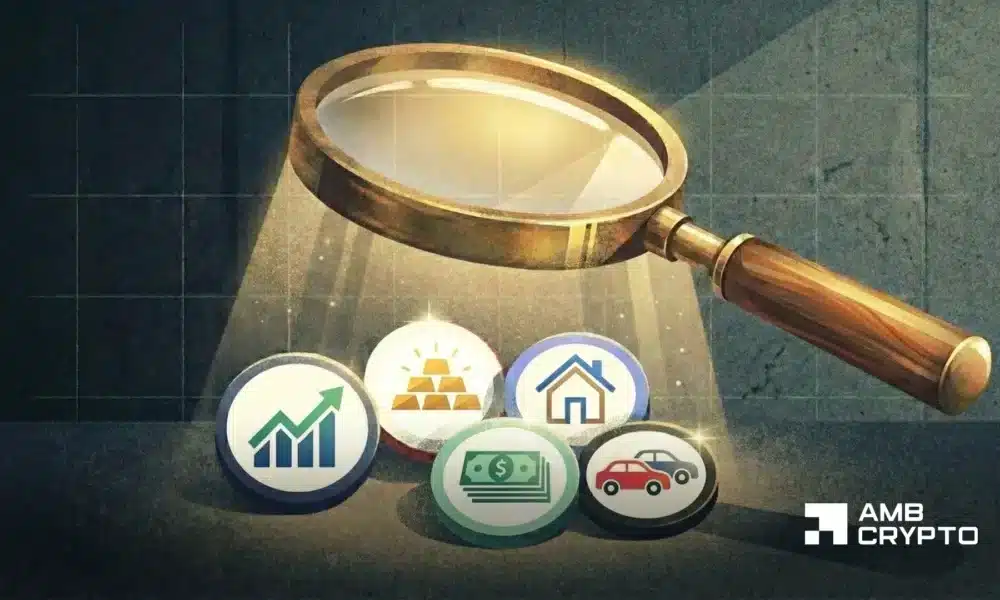
Tokenization of real-world assets (RWAs) has ignited considerable debate within the financial sector, often pitting traditionalists against proponents of crypto. Analysts like Anndy Lian contend that this trend simply adds unnecessary layers of complexity and cost, ultimately undermining the foundational values of the cryptocurrency ethos—trust minimization, permissionless access, and decentralization. On the other hand, major financial institutions such as BlackRock are actively investing in this space, indicating that the benefits may indeed outweigh the perceived drawbacks.
Analyzing the Arguments
Lian’s skepticism primarily revolves around the operational costs and complications introduced by RWAs. He argues that by requiring additional intermediary entities such as legal wrappers, custody providers, and compliance oracles, tokenization paradoxically eliminates some of the efficiencies crypto promises. Rather than simplifying transactions and reducing costs, tokenization could lead to more friction in the market, as additional stakeholders are brought into the fold. According to Lian, such a structure could hamper the efficiency and transparency that blockchain technology is designed to offer.
The Case for Tokenization
Despite these concerns, advocates of tokenization argue that the democratization of financial markets justifies the added complexity. With tokenization, assets can be fractionalized, making investment accessible to a broader audience. Companies like Robinhood have taken significant steps in this direction, providing European investors access to U.S. markets via crypto rails. The growth of the RWA market reinforces this argument; recently valued at $26 billion, the sector has seen an 8% increase in just 30 days, with asset holders now exceeding half a million.
Resilience Amid Turbulence
Interestingly, recent geopolitical tensions, including escalations in Iran, have underscored the demand for 24/7 markets where investors can hedge their risks. Platforms like Hyperliquid emerged as key players during this period, offering liquid options for speculators to react swiftly to global developments. According to Bloomberg, commodities such as oil and gold saw record highs during these turbulent times, highlighting the value of being able to trade traditional assets in real-time, facilitated by tokenization.
Navigating Future Challenges
While Lian raises important considerations about the risks and operational burdens involved, the rapid growth and resilience of the RWA sector suggest it may evolve rather than stagnate. The involvement of major players suggests that they believe new frameworks can mitigate the risks identified. Therefore, the future landscape of tokenized assets may very well shift to adapt to regulatory needs and market pressures, ultimately refining the process to make it more efficient.
A Balanced Conclusion
In summary, the debate on the efficacy of tokenization presents a complex picture. While critics like Lian point to increased friction and cost, leading financial institutions are hedging their bets on the potential of RWAs to democratize investment opportunities. As cryptocurrency and traditional finance continue to intersect, the future of tokenization may hold innovative solutions that address the concerns raised while also tapping into the substantial demand for accessible financial products. Ultimately, as the market matures and evolves, it might become clear whether the benefits truly outweigh the challenges.