




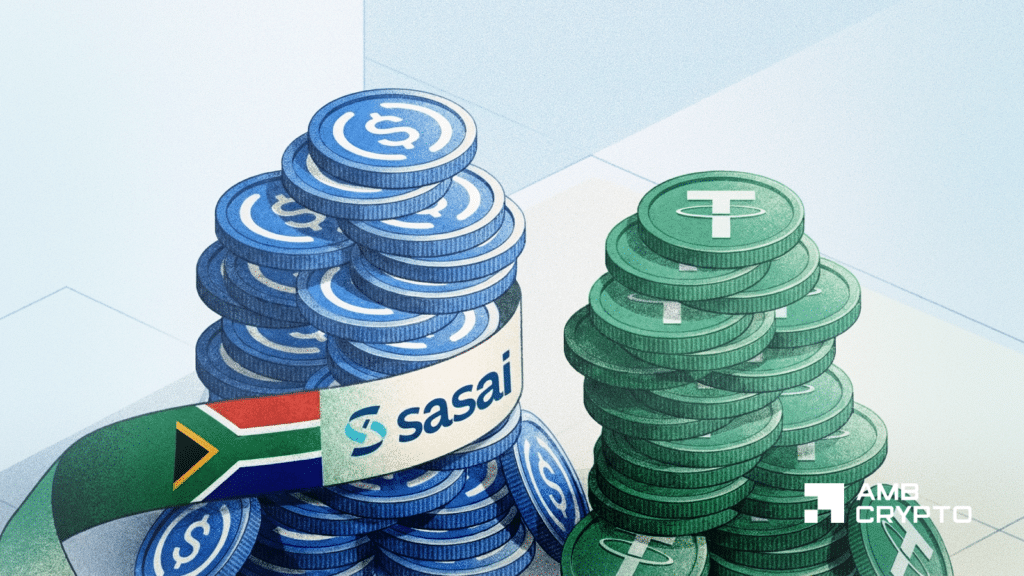
Circle and Sasai Fintech: A Game-Changing Partnership for Cross-Border Payments
As Circle faces scrutiny regarding its stock performance on the NYSE, its collaboration with Sasai Fintech—a venture of Cassava Technologies—signals a promising shift in the landscape of cross-border payments. This strategic alliance not only aims to expand Circle’s footprint into Africa but also addresses a pressing issue: the inefficiencies, high costs, and delays associated with traditional cross-border transactions. By integrating USD Coin (USDC) into Sasai’s mobile platform, which already facilitates payments and remittances across African nations, Circle is positioned to revolutionize payment systems on the continent.
A New Era of Payments with USDC
Currently, traditional cross-border payment methods can incur fees exceeding 7%, creating a substantial burden for users. However, by utilizing a stablecoin like USDC, this partnership promises to streamline transactions, making them faster, cheaper, and more reliable. The integration of USDC into Sasai’s platform ensures that businesses can avoid the cumbersome processes and high costs associated with conventional systems, which often result in transaction delays lasting several days. Instead, users can enjoy swift, economical transactions—transforming the payment experience across African markets.
Enhancing Stability and Transparency
The collaboration also focuses on providing a stable and transparent mechanism for cross-border payments. This stability is crucial for businesses operating within markets prone to local currency fluctuations, allowing them to maintain connections with the global economy without the risks associated with currency instability. By introducing USDC into these transactions, businesses can hedge against volatile currency shifts while benefiting from enhanced transaction reliability—a vital need for trade and commerce in the rapidly evolving African digital economy.
Insights from Industry Leaders
Leaders from both companies have shared insights regarding the significance of this partnership. Strive Masiyiwa, the Founder and Executive Chairman at Cassava Technologies, highlights that Africa’s digital economy is on the brink of transformation. This transformation is driven by a surge in entrepreneurship, a mobile-first generation, and accelerated intra-regional trade. Jeremy Allaire, co-founder and CEO of Circle, further emphasizes this sentiment by stating that working with Cassava enables Circle to leverage the benefits of USDC and its on-chain infrastructure in high-growth payment corridors. Such initiatives are essential for ensuring ongoing global connectivity—particularly in emerging markets.
The Competitive Landscape for Stablecoins
The timing of this partnership coincides with significant developments in the stablecoin market. Over the past year, stablecoins have facilitated transactions totaling an impressive $70.2 trillion. While Tether (USDT) maintained a dominant position throughout 2025, shifts in the market dynamics have begun to favor USDC, particularly as it resonates more with the demands for reliability and transparency. The recent surge of USDC indicates a growing preference among consumers for more stable financial systems, especially as Circle enters markets like Africa, where such stability is needed.
Challenges Ahead: Regulatory Scrutiny
While Circle embarks on an expansion into Africa, its standing in the United States has faced challenges due to evolving regulations. The introduction of the GENIUS Act in 2025 initially offered a clear framework for stablecoins, supporting dollar-backed digital assets. However, emerging concerns surrounding the prospective CLARITY Act have contributed to investor anxiety about Circle’s future revenue generation. This uncertain regulatory environment was evident when Circle’s stock (CRCL) plummeted nearly 20% on March 24, closing at $101.17. Thus, Circle finds itself at a pivotal juncture, navigating regulatory complexities in the U.S. while simultaneously cultivating a robust future in overseas markets.
Conclusion: Charting a Future for Remittances
In conclusion, Circle’s partnership with Sasai Fintech represents more than just an expansion; it embodies an opportunity to redefine cross-border payment systems through the incorporation of USDC. By potentially reducing remittance costs and expediting transaction settlements, this initiative is set to create a more efficient and user-friendly payment landscape across Africa. The intensified competition between USDC and USDT reflects a broader demand for transparency and regulatory alignment, indicating a promising shift toward a more stable and reliable digital financial system. As Circle navigates regulatory challenges back home, its proactive approach in international markets could pave the way for lasting success and innovation in global payment solutions.