

The Rising Importance of Tokenization and Stablecoins in Financial Markets
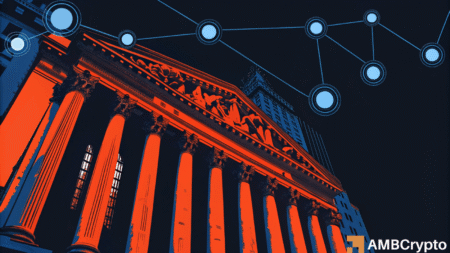
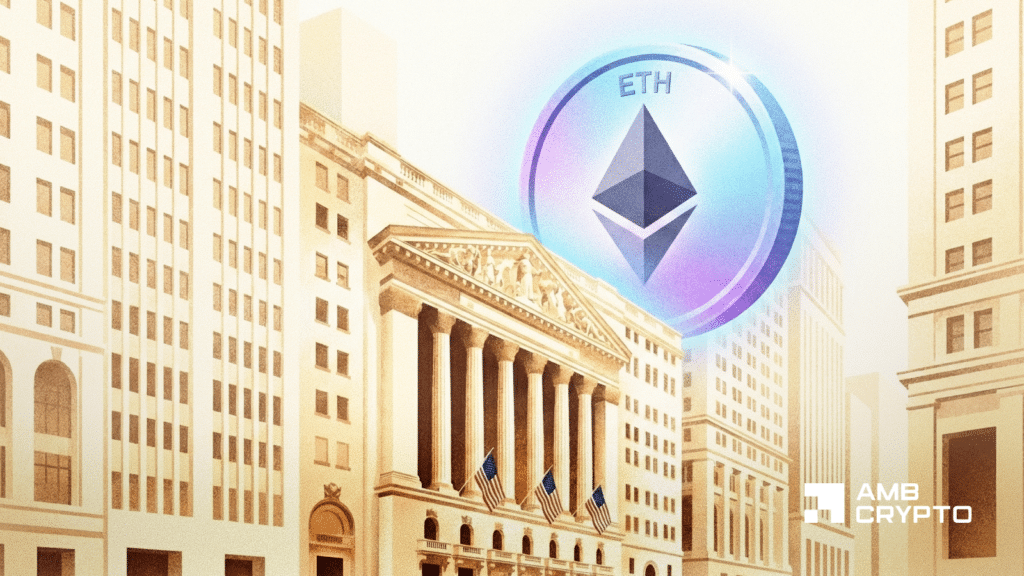
In recent years, tokenization has emerged as a significant use case showcasing the practical applications of stablecoins in finance. The real-world asset (RWA) sector has seen significant growth, boasting a total value of nearly $27 billion. Approximately 58% of this activity occurs on the Ethereum network. As the leading platform for stablecoin supply and RWA adoption, Ethereum serves as the backbone of this evolving ecosystem. However, with the recent partnership between the New York Stock Exchange (NYSE) and Securitize to create a 24/7 tokenized securities platform, the competitive landscape is set for potential upheaval. This development could challenge Ethereum’s dominance in the tokenization space as these platforms extend their reach onto alternative networks.
From a technical perspective, the NYSE stands as the world’s largest stock exchange, with over $25 trillion in listed market capitalization. This substantial capital base means that even a modest migration of assets onto tokenized platforms could dramatically reshape the competitive dynamics among Layer-1 networks. The strategic timing of this partnership coincides with broader macroeconomic changes, as U.S. equities have been under considerable pressure, shedding value over short periods amid ongoing uncertainties. Meanwhile, Bitcoin and other risk assets have shown more resilience during this turbulent period. This raises an intriguing question: does the NYSE’s entrance into the RWA space signify "institutional-level validation" for risk assets?
As the NYSE adjusts to shifting macroeconomic dynamics, its partnership with Securitize appears to be a strategic move. Current economic trends—such as soaring oil prices and heightened inflation—have rattled investor confidence, leading the Federal Reserve to tighten monetary conditions. As a result, there has been a significant influx of capital into U.S. Treasuries, causing yields to reach multi-month highs. A notable trend in the tokenized sector has mirrored this, with U.S. tokenized Treasuries surging approximately 21% in just a month. This uptick now accounts for over 47% of the total RWA asset value, illustrating how macroeconomic shifts are impacting on-chain demand for tokenized assets.
Considering the prevailing financial climate, the NYSE’s collaboration with Securitize can be viewed as a response to macroeconomic pressures. U.S. equities have faced substantial sell-offs, prompting comparisons to the financial crisis of 2008. In contrast, tokenized stocks have gained considerable traction, reporting a 20% increase to achieve a record market capitalization of $1 billion. This contrasting performance signifies a shift in where capital is flowing. While traditional finance (TradFi) faces uncertainty, the resilience of blockchain technology is becoming increasingly evident, as it supports not only 24/7 trading but also acts as an alternative asset class.
The NYSE’s partnership with Securitize is more than just a technological upgrade; it represents a strategic initiative aimed at legitimizing risk assets. These assets create the foundation for on-chain liquidity, which is vital for broader tokenization and stablecoin activities. As institutional players like the NYSE embrace tokenization, it signals a trend toward integrating traditional assets with blockchain technology, reshaping the financial landscape.
In conclusion, while Ethereum currently leads the way in both stablecoins and RWAs, the NYSE’s new tokenized securities platform could mark a pivotal shift in the competitive arena. As macroeconomic pressures drive capital toward RWAs and tokenized assets, the resilient nature of blockchain technology is increasingly coming to the forefront. This evolving dynamic underscores the growing liquidity available on-chain and highlights the importance of tokenization as both a disruptive force and a stabilizing influence in today’s financial markets.
By understanding these developments, investors and stakeholders can better navigate the complexities of a rapidly changing landscape, positioning themselves for the future opportunities that tokenization and stablecoins present in reshaping financial ecosystems.