




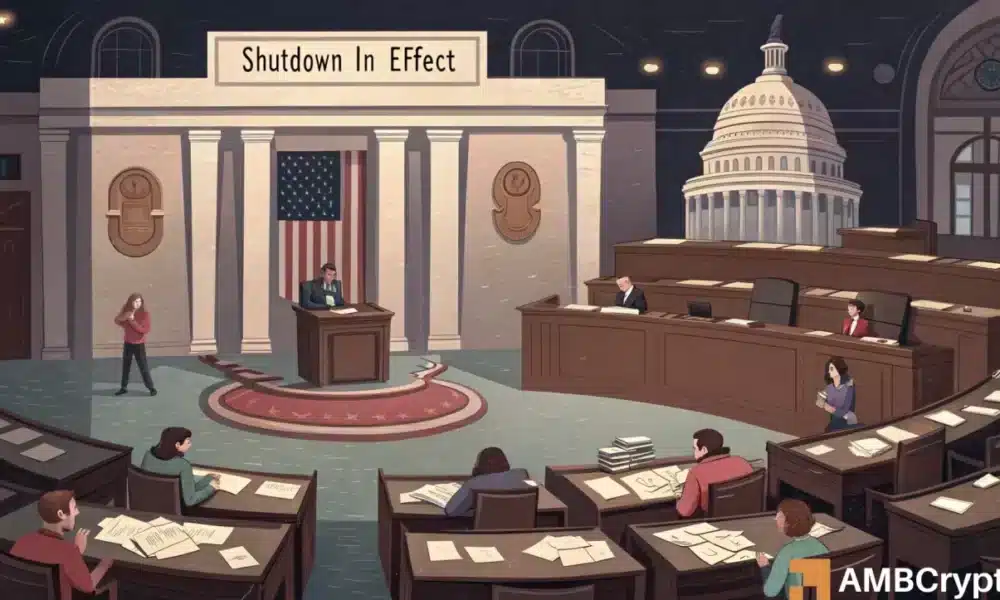
Understanding the Divisions Within the Democratic Party Amidst the Government Shutdown
Introduction
As the U.S. government faces an unprecedented shutdown, the internal dynamics of the Democratic Party are becoming increasingly complex. What initially appeared to be a united front against Republican resistance has now exposed growing fractures and discontent among Democrats. This article delves into the current state of the shutdown, the contrasting approaches from both parties, and the broader implications on other sectors like cryptocurrency.
The Current State of the Shutdown
The ongoing government shutdown, now stretching for over five weeks, has begun to take a toll on various aspects of everyday life across the nation. From delayed air travel to disruptions in food assistance programs, the urgency for resolution is palpable. Attention is turning toward how Congress will navigate this impasse. Senator Dick Durbin issued a statement reflecting the sentiments of many, indicating that constituents are weary of the prolonged shutdown and its cascading effects.
Internal Fractures Within the Democratic Party
Recent weeks have seen growing frustration within the ranks of the Democratic Party as members debate how best to navigate the ongoing crisis. While some senators are advocating for a path forward and exploring avenues to end the stalemate, others are committed to maintaining their position. The imminent expiration of Affordable Care Act (ACA) subsidies adds another layer of complexity, further sparking discord among the party as differences arise on whether to leverage this issue in negotiations.
Bipartisan Talks: A Path Forward?
In the Senate, Democratic leaders are engaged in bipartisan discussions aimed at resolving the shutdown while balancing their party’s priorities. House Democrats are resolute in their demands for a definitive plan to extend ACA subsidies, necessitating a fast-tracked solution. Senior lawmakers, including Jeanne Shaheen and Elissa Slotkin, are working across the aisle to develop a compromise that could ultimately lead to the reopening of federal agencies.
Republican Responses and The Funding Debates
On the Republican side, internal divisions mirror those within the Democratic Party. Some members, like Senator Susan Collins, are advocating for an expedited funding deadline of December 19, while more radical factions propose a more extended timeline. The differing viewpoints complicate the Republican strategy moving forward, creating an uncertain legislative environment. Despite initial optimism about upcoming proposals, Collins has cautioned that any progress could disintegrate quickly, leaving the future of governmental operations precarious.
Broader Implications: Impact on Cryptocurrency Industry
The ramifications of the government shutdown extend beyond Congress and affect key industries, including cryptocurrency. Major legislative efforts aimed at regulating the crypto sector are now stalled due to federal staffing shortages resulting from furloughs. Industry leaders continue to prioritize crypto policy, yet they caution that further delays might push critical votes to 2026. This uncertainty coincides with an overall downturn in the crypto market, as sentiment shifts toward caution amidst growing fear, as reflected in the crypto fear and greed index.
Conclusion
The current government shutdown has revealed significant divisions within the Democratic Party and complications for both parties in Congress. As lawmakers scramble to find a way forward, the precarious situation continues to evolve. The impact of the shutdown on vital sectors like cryptocurrency underscores the broader repercussions that political conflict can have on society. As we approach the midterm elections, the stakes are higher than ever, and ensuring a timely resolution may prove critical for all involved.