


The Rise of Real World Assets on Solana: A Potential Game Changer for the Financial Landscape
The International Monetary Fund (IMF) has raised warnings about the rapid growth of the Real World Asset (RWA) market on blockchain, signaling that traditional finance (TradFi) players may soon fall behind. This surge indicates a shift in how real-world capital interacts with decentralized systems, which could have profound implications for central banks and financial stability. Recently, the on-chain market cap for RWAs reached a remarkable $24 billion, with Tether Gold [XAUT] taking the lead at $3.3 billion. As investors flock toward blockchain solutions, Solana [SOL] has emerged as a leading player in this burgeoning ecosystem.
Solana: The Go-To Network for Tokenized Real Assets
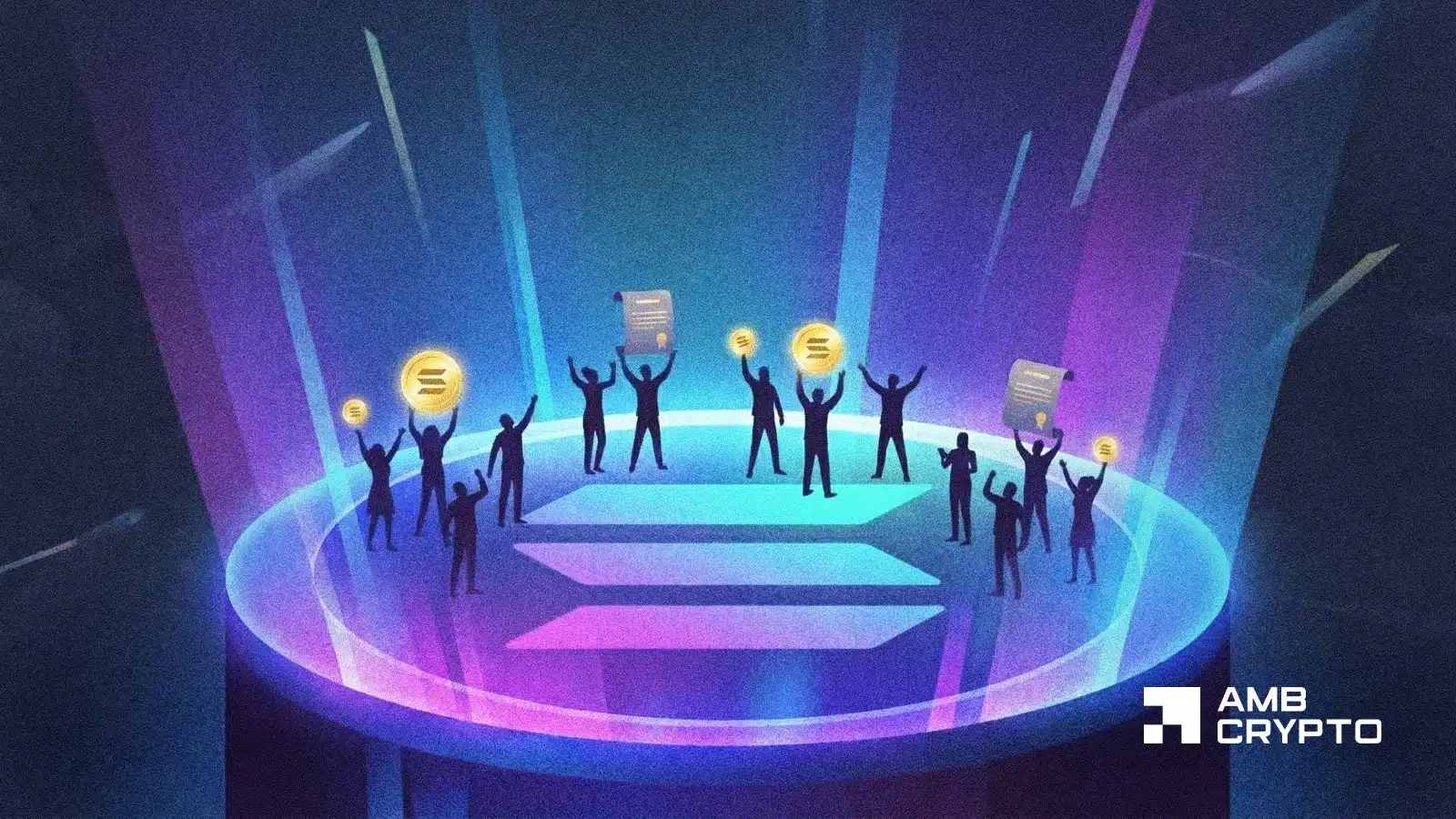
The most compelling aspect of Solana’s narrative is its rapid increase in RWA holders, which skyrocketed by 440% year-over-year, amounting to 218,000 holders of tokenized stocks, funds, and commodities. This uptick indicates more than just transient interest; it denotes Solana’s growing reputation as a reliable platform for tokenized real-world assets. The figures align with the IMF’s concerns, highlighting the importance of RWAs in the financial landscape amid changing economic circumstances.
Capital Flows and Market Dynamics
The success of Tether Gold amid rising geopolitical tensions sheds light on how RWAs are reshaping capital investment strategies. Traditionally, geopolitical unrest drives funds into conventional safe havens like gold. However, investors are now opting for tokenized assets, showcasing a shift in how capital flows. Although XAUT currently operates solely on the Ethereum network, it raises a critical question: can Solana effectively capture this momentum directly or indirectly? To solidify its positioning, Solana may need to introduce its own tokenized gold venture in the near future.
The Competitive Landscape of U.S. Treasuries
In examining the overall RWA market, it’s noteworthy that over 50% consists of U.S. Treasury assets, a segment that Solana is actively working to tap into. RWA.xyz indicates that United States Treasuries represent Solana’s most concentrated RWAs following stablecoins, allowing investors to hold government debt on-chain. Yet, the market reflects volatility; prices are struggling to maintain growth, with some Solana treasury companies still plummeting over 80% from their pre-October values. This disparity highlights that market confidence in tokenized U.S. Treasuries has not kept pace with overall on-chain growth.
Solana’s Catalyst for Growth
Despite current market fluctuations, the inflow of capital to tokenized U.S. Treasuries presents a crucial opportunity for Solana. The potential revenue generation for Digital Asset Treasuries (DATs) could pave the way for increasing SOL holdings, strengthening the network’s resilience. Given Solana’s established foothold in tokenized bond markets, the strategy appears promising to enhance its offerings and attract institutional capital.
The Future of RWAs on Solana
With the RWA market expanding, the emergence of Solana as a significant player could lead to it becoming a viable alternative to Ethereum’s XAUT offerings. If Solana continues to diversify and enhance its RWA ecosystem, it stands to gain traction as a leading hub for tokenized assets. This evolution could not only support institutional investment but also pave the way for a more effective framework for financial management in a decentralized context.
Conclusion
In summary, Solana is positioning itself as a formidable force in the on-chain RWA market, with a remarkable increase in holders and significant flows into tokenized U.S. Treasuries. The possibility of becoming a competitive alternative to Ethereum’s offerings could offer a pathway to amplify Digital Asset Treasuries. As the landscape changes, Solana holds the potential to redefine how capital interacts with decentralized blockchain technologies, fundamentally altering the financial landscape for the better.