



Trump’s Controversial Pardon for Binance Founder: Analyzing the Implications for Crypto and Politics
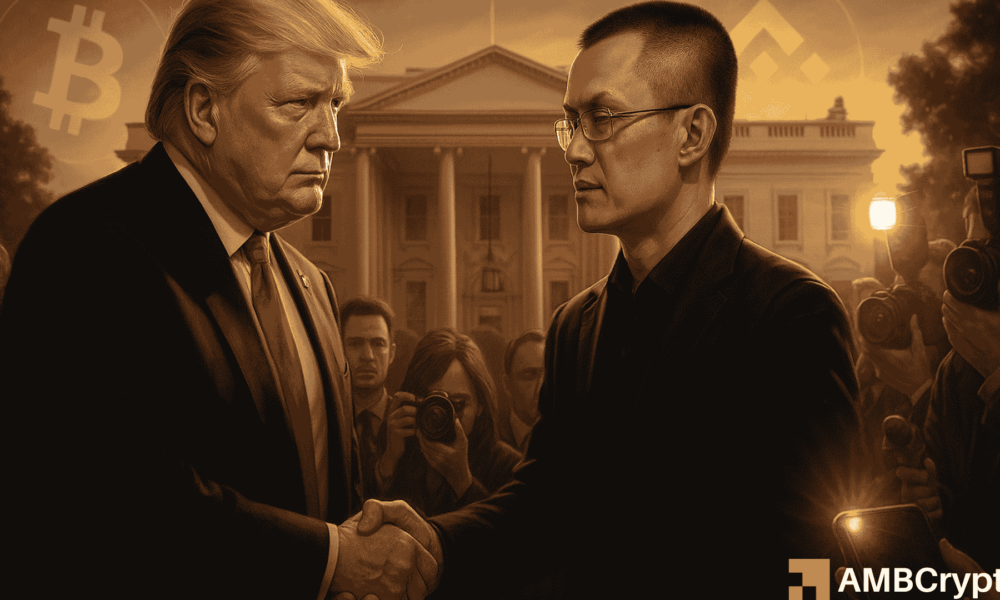
President Donald Trump’s recent decision to pardon Changpeng “CZ” Zhao, the founder of Binance, has ignited a firestorm of controversy within the political and cryptocurrency landscapes. Announced on October 23, this move was characterized by critics as a prime example of “pay-for-crime,” raising serious ethical questions about the intersection of justice, politics, and the burgeoning crypto industry. This article delves into the implications of this pardon, examining the backlash, the reactions from various sectors, and what it means for the future of both cryptocurrencies and political dealings.
Understanding the Controversy Surrounding the Pardon
The pardon given to CZ effectively nullifies his 2023 conviction for violations of the Bank Secrecy Act, which revolved around accusations that Binance facilitated transactions for sanctioned entities. Zhao had previously served a four-month prison sentence and was prohibited from taking executive roles within the company. Trump’s decision not only clears these restrictions but also allows CZ the opportunity to return to a leadership position within Binance, the world’s largest cryptocurrency exchange. Such immediate restoration of power has led many to question the moral implications of using presidential clemency in this manner.
Accusations of Political Favoritism
Critics and analysts have voiced serious concerns that the pardon was not a straightforward act of leniency but rather a calculated political reward for financial allies. Blockchain researcher Adam Cochran was one of the first to publicly criticize the pardon, arguing that it demonstrates a troubling precedent where wealth can effectively “legalize crime.” Cochran pointed out that Binance, under Zhao’s leadership, allegedly facilitated transactions for groups such as Hamas and Wagner. Following these accusations, he highlighted the seemingly intertwined relationships between Binance and Trump-linked entities, suggesting that Zhao’s pardon was part of a larger, troubling dynamic within American politics.
Speculations and Unverified Claims
Social media buzz intensified with unsourced claims that Binance had manipulated the market through significant sell-offs to profit insiders associated with Trump. While these allegations lack substantiation, the mere existence of such discussions highlights the level of mistrust surrounding the circumstances of Zhao’s pardon. Critics argue that the deal appears to create a troubling perception—that financial connections could help minimize legal consequences and offer a pathway to power.
Silence from Key Players
Despite the considerable uproar, neither the Trump campaign nor Binance has publicly addressed the allegations associated with the pardon. Trump has historically positioned himself as a proponent of cryptocurrency, framing his administration as a champion for innovation within the blockchain sector. This new pardon aligns with his prior actions, including pardoning figures like Ross Ulbricht, suggesting a consistent trend toward favoring high-profile individuals in the crypto space. As the dust settles, the absence of commentary from both parties only exacerbates concerns about transparency and accountability.
Market Reactions and Implications for Binance Coin (BNB)
Despite the surrounding uproar, Binance Coin (BNB) experienced a noticeable uptick in its market value, rising over 4% to approximately $1,142. The Accumulation/Distribution (A/D) indicator had shown a surge in buying activity, indicating that some investors viewed the pardon as a positive sign for Binance’s future prospects. Financial analysts speculate that if this bullish momentum continues, BNB may challenge resistance levels near $1,200, potentially recovering from earlier market corrections. The conflicting narratives of legal controversy and positive market movement pose intriguing questions regarding investor sentiment and market stability.
Navigating the Intersection of Crypto and Politics
Trump’s pardon of Zhao serves as a significant inflection point, revealing the evolving relationship between political power and the cryptocurrency sector. As the industry matures, the growing concerns regarding “pay-for-crime” become increasingly relevant, challenging the principles of justice and accountability in a democratic society. Critics argue that this event underscores a profound alignment between political figures and the influential players in the cryptocurrency arena, marking a dangerous intersection of money, power, and law. As discussions around regulatory frameworks intensify, this episode may serve as a cautionary tale for future political and legal endeavors within the cryptosphere.
In summary, the implications of Trump’s pardon for Changpeng Zhao extend far beyond individual circumstances, resonating within both the cryptocurrency market and the larger political landscape. As stakeholders in both sectors adapt to the evolving dynamics, questions regarding ethical governance, the role of wealth in politics, and the future of regulatory measures will undoubtedly remain at the forefront of public discourse.