




The Push for Crypto Tax Relief: A Closer Look at Recent Developments
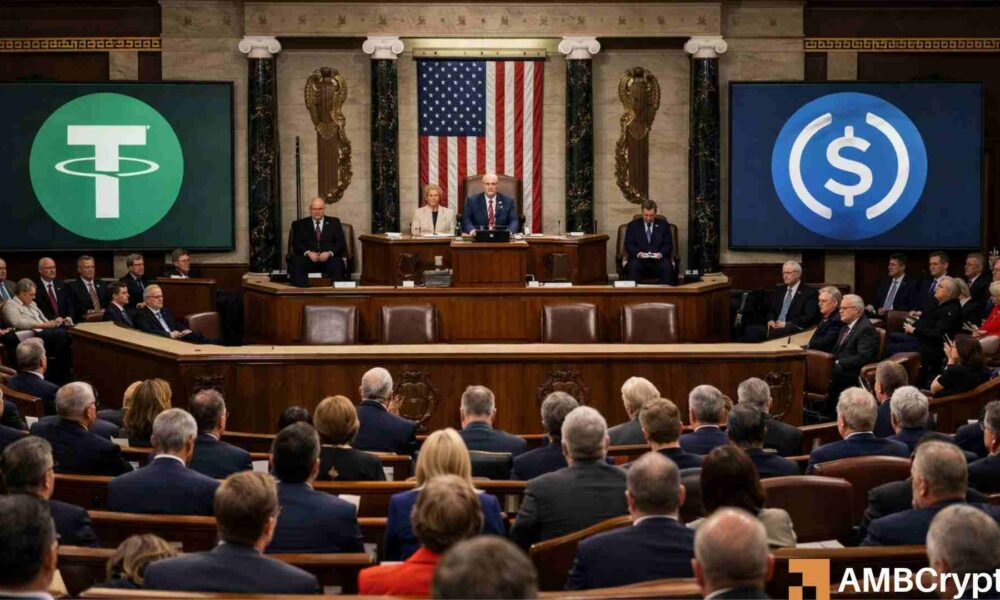
On December 21, 2025, U.S. lawmakers made another significant attempt to enhance tax relief for low stablecoin transfers and crypto staking. Lawmakers Max Miller of Ohio and Steven Horsford from Nevada introduced a proposal aiming to provide tax exemptions for transactions involving stablecoins valued at $200 or less. The rationale behind this initiative is to establish a de minimis threshold aligned with foreign currency transaction exceptions. Rep. Miller emphasized that this bipartisan effort seeks not only to protect consumers making everyday purchases but also to clarify the rules for innovators and investors, ultimately strengthening compliance across the board.
A History of Legislative Efforts
This isn’t the first foray into crypto tax clarity by Congress. Last July, Senator Cynthia Lummis pushed a similar plan, advocating for a $300 exemption for small transactions while also proposing tax deferrals on staking and mining rewards during the amendment process of President Donald Trump’s Big Beautiful Bill. Lummis’s proposal included an annual cap of $5,000 on crypto gains to prevent misuse. Unfortunately, despite the potential benefits, these provisions did not make it to the final bill due to a lack of broad support and concerns over revenue loss. Currently, the IRS classifies cryptocurrency as property, meaning it’s subjected to capital gains taxes ranging from 10% to 37%, depending on the holding period.
The Uncertain Future of Crypto Tax Proposals
The future of the latest tax proposals remains uncertain as they await potential inclusion in a comprehensive crypto market structure bill. Given the mixed reception these initiatives have received in the past, particularly from various political factions, it is challenging to predict whether the current proposal will gain traction. However, the situation underscores the need for clearer guidelines and more favorable tax policies to encourage innovation within the cryptocurrency sector.
The Controversy Surrounding Stablecoin Yields
Meanwhile, the emerging market of stablecoin yields, offered by crypto exchanges like Gemini and Coinbase, has sparked significant controversy. Bank lobbyists have expressed concern that these high yields—ranging from 3% to 4%—threaten community banks, as consumers may prefer stablecoins over traditional checking accounts that average less than 1% in interest. This potential shift in deposit capital raises questions about the future viability of community banks, a point causing tension between traditional financial institutions and the burgeoning crypto industry.
Industry Response and Advocacy
Industry leaders, including Tyler Winklevoss, co-founder of Gemini, are actively countering these banking concerns. Winklevoss, alongside 125 other companies, recently signed a collective letter to Congress defending the GENIUS Act, which aims to bolster stablecoin regulations. He stressed the industry’s resilience against what he perceives as anti-competitive practices by banks. This advocacy underscores a growing push within the crypto community to carve out a stable regulatory framework that supports innovation while addressing concerns raised by the traditional banking sector.
Conclusion: The Ongoing Battle for Crypto Compliance
As the U.S. Congress reinvigorates efforts for tax exemptions on low stablecoin transactions, the struggle for stablecoin rewards continues against a backdrop of traditional financial resistance. With ongoing legislative attempts and vocal advocacy from industry leaders, the future of crypto taxation and regulation remains a complex and evolving narrative. The outcome of these initiatives could significantly influence consumer behavior and the broader crypto market, shaping the trajectory for years to come.