

The Rise of Memecoins and Legal Challenges Facing Solana
In 2025, memecoins have made significant strides in the cryptocurrency market, capturing both media attention and investor interest. Notable events include the launch of Dogecoin’s ETF and the rise of Bonk’s ETP, which has prompted investors to reevaluate their speculative strategies. Particularly, Solana has emerged as a popular platform for these tokens, with projects such as Official Trump and Melania Meme reinforcing its position as the choice for high-speed, speculative investment.
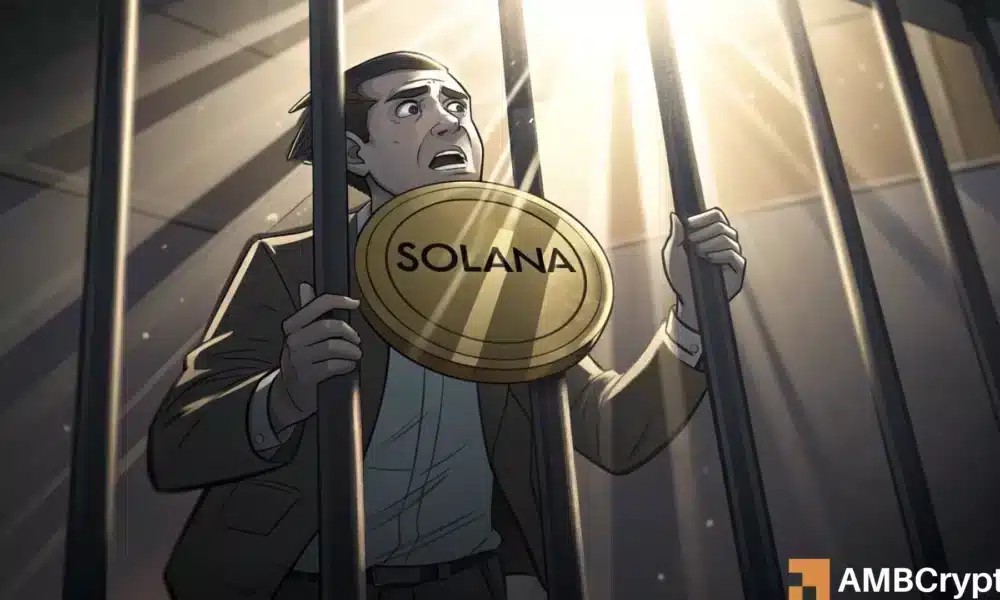
Despite the excitement surrounding memecoins, the landscape has dramatically shifted as legal challenges loom. Recently, a federal court approved a class-action lawsuit against Pump.fun, a memecoin launchpad, as well as Solana Labs and other entities associated with the Solana network. The accusations pertain to alleged market manipulation, marking a critical turning point in how memecoins are perceived by the legal system and the broader market.
What’s particularly striking about this lawsuit is its focus on the technology underlying the Solana ecosystem. Instead of merely critiquing tactical maneuvers or timing issues, the legal challenge addresses potential flaws intrinsic to Solana’s high-speed, high-throughput network. This places not only the memecoins in question but also the integrity of the entire Solana platform under scrutiny, amplifying fears about its sustainability and trustworthiness among investors.
Examining Solana’s Legal Troubles
Solana Labs finds itself in a precarious position, facing mounting scrutiny over its internal structure and validator setup. The framework that supports Pump.fun, facilitating the rapid creation and exchange of numerous memecoins, is now the target of legal examination. Analysts have indicated that the way the platform operates has led to significant centralization, with a handful of pocketed investors controlling a substantial share of certain memecoins—specifically, around 70% of PUMP’s circulating supply.
This concentration of power raises legitimate concerns for retail investors, who remain sidelined while insiders influence market prices. Current trading metrics illustrate the volatility of memecoins like PUMP, which has struggled to maintain value since its initial coin offering (ICO). With the token trading approximately 3.15% below its starting price, allegations of price manipulation are reverberating through the community, bringing further unwanted attention to Solana.
While the PUMP incident is concerning, it also highlights systemic issues within the Solana network, illuminating the risks of allowing a few entities to exert substantial control over supply. This situation points not only to the inherent challenges of operating within highly speculative markets but also aligns with broader skepticism about the sustainability of centralized control in decentralized networks.
The Broader Implications for Memecoins
The ongoing legal proceedings against Solana and its associated projects could have expansive implications for the broader memecoin market. If courts find substantial evidence of market manipulation, it could deter investment not just in Solana-based tokens but in memecoins as a whole. Investors might become more cautious, fearing potential legal ramifications for their participation in such speculative ventures.
Moreover, the outcome of this litigation could signal the beginning of a more stringent regulatory framework for cryptocurrencies and memecoins specifically. As regulatory bodies increasingly scrutinize the mechanics of these digital assets, changes could emerge that either facilitate responsible trading practices or significantly stifle innovation within the sector.
Given the rise of memecoins, an unsustainable legal environment exacerbated by allegations of manipulation could curtail enthusiasm and further complicate adoption efforts. Investors may feel hesitance in diving into speculative bets, significantly altering the landscape and the way these tokens are perceived by the broader community.
Exploring Solutions and Future Perspectives
To mitigate rising concerns and avoid further legal issues, the Solana network may need to explore reforms that enhance transparency and decentralized governance. Implementing measures to ensure a more equitable distribution of memecoins could not only stabilize markets but also build trust among investors. Increased oversight on launchpads like Pump.fun may also provide necessary safeguards to protect retail investors while still allowing for creative and profitable opportunities within the memecoin space.
Additionally, communities supporting these projects must prioritize ethical practices and clear communication with their user base. By fostering an environment where developers and investors alike feel accountable for their actions, the potential for manipulation and subsequent legal challenges can be curtailed significantly. Solana, along with its memecoin projects, may need to adopt more responsible practices that prioritize long-term sustainability over short-term gains.
Final Thoughts: The Future of Solana and Memecoins
As memecoins continue to gain traction, the unfolding legal scrutiny over Solana’s network poses critical questions about both technological integrity and market ethics. With centralization concerns highlighted by recent lawsuits, the cryptocurrency community must grapple with its future direction. It remains to be seen how this legal landscape will evolve and whether current practices can adapt to meet growing demands for transparency and fairness.
Investors in the memecoin space will undoubtedly be watching closely as these developments unfold. The outcome of the class-action lawsuit could reshape perceptions and prompt critical discussions around memecoins, potentially shaping the future regulations and market dynamics. In this rapidly evolving sector, keeping an eye on legal developments will be crucial for understanding the risks and opportunities that lie ahead in the world of memecoins.