




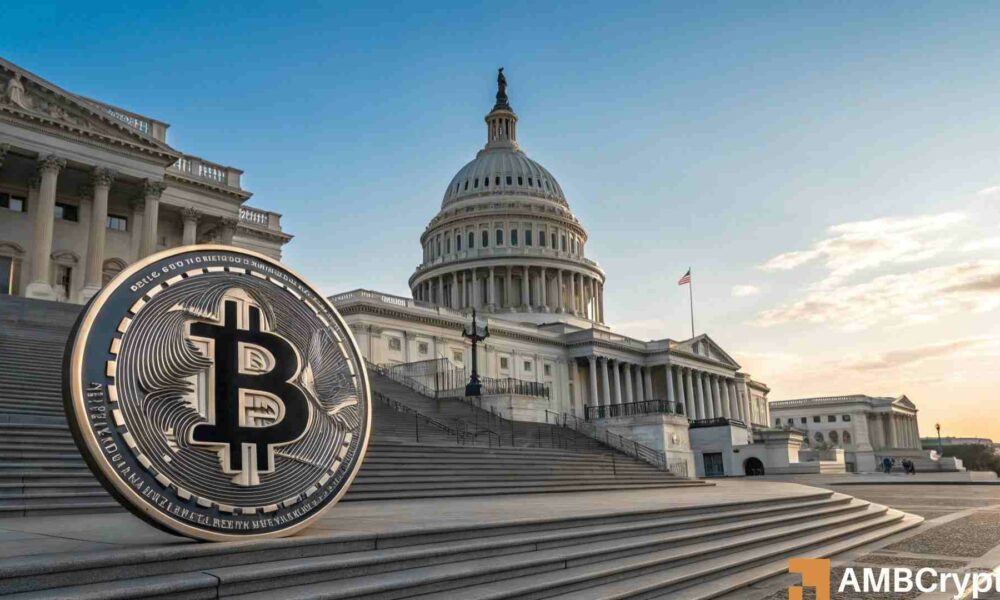
U.S. Lawmaker’s Crypto Controversy: A Look at Bitcoin Ownership Among Politicians
In recent developments in the cryptocurrency space, pro-crypto lawmaker, Representative Brandon Gill from Texas, has made headlines due to his delayed disclosures regarding Bitcoin (BTC) trades. Gill reportedly purchased up to $500,000 worth of BTC in January and February this year, but his failure to disclose these transactions within the mandated 45-day window established by the Stop Trading on Congressional Knowledge Act (STOCK Act) has drawn scrutiny. The STOCK Act exists to ensure transparency among Congressional members regarding their financial transactions, so Gill’s oversight raises questions about adherence to ethical standards in policymaking.
Despite being criticized for these late disclosures, Gill is not alone in his oversight. A comprehensive report revealed that over 62 representatives violated the disclosure law in 2024 concerning both stocks and digital assets. Although these infractions carry only a nominal penalty of $200, they highlight a broader pattern of non-compliance among lawmakers, especially in the fast-evolving crypto landscape. As cryptocurrency continues to gain traction as a legitimate form of investment, the calls for stricter regulatory frameworks are intensifying, making adherence to compliance even more crucial for elected officials.
Notably, the total number of U.S. lawmakers with exposure to cryptocurrency remains relatively modest. According to data curated by Bitcoin Politicians, around 19 politicians, primarily Republicans, have disclosed ownership in Bitcoin or related crypto assets over the past two years. This limited exposure contrasts sharply with the pro-crypto rhetoric often espoused by conservative lawmakers. For instance, Senator Dave McCormick, a former hedge fund manager, leads the pack with approximately $5 million in BTC holdings, primarily through Bitwise ETF. In comparison, other significant political figures have reported substantially lower amounts, underscoring a disconnect between their positions on digital currency and their actual financial commitments to the sector.
In January 2025, Reuters highlighted Vice President J.D. Vance among the 13 lawmakers having disclosed crypto holdings, with estimates valuing his BTC stake between $250,000 and $500,000. Despite having a pro-crypto outlook, Vance acknowledged the inherent risks associated with Bitcoin and blockchain technology. Nevertheless, he advocates for allowing the market to determine the trajectory of these digital assets. His stance reflects a growing sentiment among some lawmakers who see Bitcoin as a safeguard against ineffective governance and economic instability.
This limited interest among lawmakers raises concerns about their understanding of cryptocurrencies’ potential implications on financial markets and economic policy. As digital currencies gain popularity among the public, a significant gap persists between public sentiment and legislative action. While there is an enthusiastic push for blockchain and cryptocurrency innovation within segments of the political landscape, a more substantial institutional commitment is necessary to translate this enthusiasm into actionable policies that can positively impact the crypto environment.
As we move deeper into the digital age, the dialogue surrounding cryptocurrencies, including Bitcoin, will continue to evolve. The ethical implications and financial commitments of lawmakers in this space remain critical issues to address. The conversations around regulatory frameworks, compliance, and legislative transparency will shape the future of both the crypto market and political accountability. A more informed and engaged legislative approach could lead to better integration of cryptocurrencies into the broader financial system while maintaining the integrity of political processes.