



Operation Atlantic: A Tri-Nation Initiative Against Crypto Fraud
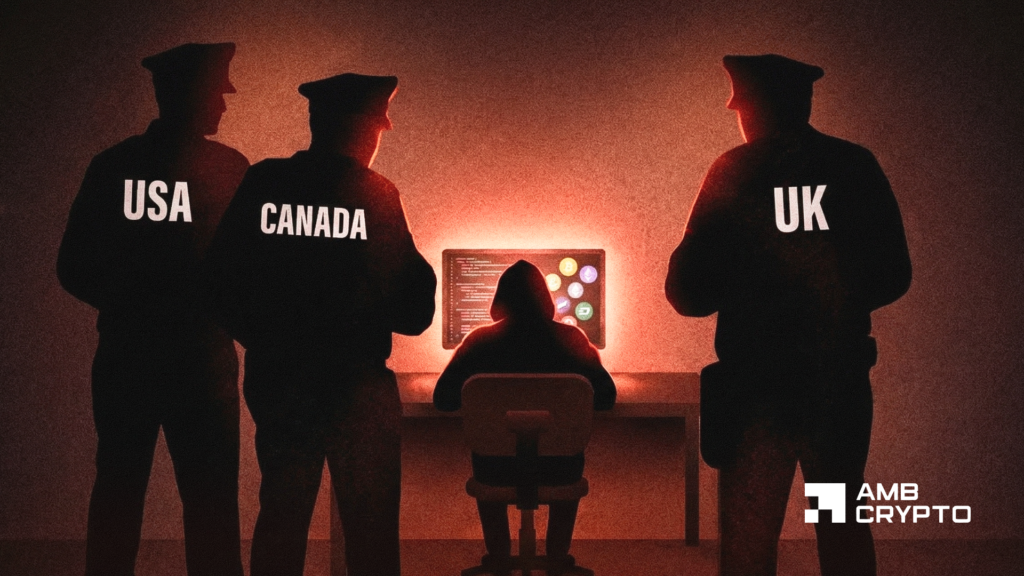
In recent years, the landscape of cryptocurrency has become increasingly tainted by the specter of fraud. Traditionally associated with hackers hijacking funds in a seemingly invisible manner on the blockchain, the narrative is shifting. Now, the inception of Operation Atlantic marks a pivotal effort among the U.S. Secret Service, the UK’s National Crime Agency (NCA), and Canadian authorities to combat crypto scams in real-time. This multi-national initiative aims not only to trace stolen funds post-crime but also to prevent scams before victims lose their assets entirely.
Understanding the Focus of Operation Atlantic
At the center of Operation Atlantic is the urgent need to tackle "approval phishing," a prevalent scam that ensnares unsuspecting victims into authorizing transactions that grant scammers illicit access to their crypto wallets. By collaborating with private blockchain firms and leveraging sophisticated data analytics, investigators are pivoting from traditional reactive approaches to proactive fraud prevention. Brent Daniels, Deputy Assistant Director for the U.S. Secret Service, emphasized the importance of this initiative, highlighting that approval phishing and similar scams cost victims millions annually. This proactive stance signifies a potent shift in law enforcement tactics, aiming to disrupt fraud before it manifests.
The Role of Investigators
To effectively counteract these scams, authorities will engage closely with crypto exchanges and Virtual Asset Service Providers (VASPs) to scrutinize suspicious transaction activities. When a potentially vulnerable wallet is identified, investigators can intervene and reach out to potential victims, warning them before scammers have a chance to execute their fraudulent schemes. Apart from approval phishing, the operation also targets “pig butchering” scams—a long-term strategy where scammers establish rapport with victims, ultimately leading them to sign transactions that enable thieves to access their wallets via malicious smart contracts.
Collaborating for Greater Impact
This united front against crypto fraud is not built in isolation; it also draws upon the insights gained from Project Atlas, a Canadian-led initiative launched in 2024 aimed at disrupting international crypto investment fraud networks. Detective Superintendent Jennifer Spurrell of the Ontario Provincial Police remarked on the effectiveness of coordinated efforts, noting that as fraud transcends borders, a collaborative response is vital. These initiatives signal a changing tide in law enforcement’s approach, shifting towards a more unified and effective strategy to tackle cross-border criminal activities in the digital currency space.
Trends in Crypto Fraud
Despite advancements made by initiatives like Operation Atlantic, the fight against crypto fraud remains an uphill battle. According to Chainalysis, scammers reportedly amassed around $14 billion in cryptocurrency in 2025, signaling a rise in such illicit activities. Investigators have identified over $17 billion as they uncover more dubious wallets, a troubling trend that underscores the need for vigilance. However, the picture isn’t entirely grim; TRM Labs reports that while illicit crypto activity expanded to $158 billion last year, it only constituted about 1.2% of total market activity. This suggests that—despite rising fraudulent activities—the legitimate cryptocurrency economy is growing at an even more accelerated pace, offering glimmers of hope amid the challenges.
The Implications for Web3 Security
The emergence of approval phishing scams reveals a significant flaw within the design of Web3 technologies: many users are unaware of the permissions they grant to smart contracts. This lack of understanding not only facilitates scam attempts but also highlights the need for enhanced education around permission management in the cryptocurrency sphere. With billions lost to scams, it is evident that criminal networks are scaling alongside the crypto industry, adopting more sophisticated techniques to exploit unsuspecting users. Strengthening security measures and fostering greater awareness will be essential in combating these threats effectively.
Conclusion: Navigating a Safer Crypto Future
As the cryptocurrency landscape continues to evolve, initiatives such as Operation Atlantic represent a critical development in the fight against fraud. By leveraging international cooperation and innovative technologies, law enforcement agencies are taking decisive steps to combat the rising tide of scams. However, a concerted effort from all stakeholders—including users, exchanges, and developers—will be vital to ensuring a safer digital currency environment. As education and security practices improve, the industry can work towards minimizing the risks posed by fraud and fostering a more trustworthy crypto ecosystem for all users.